- Temas de salud
- Cerebro y nervios
Cerebro y nervios
Trastornos cerebrales
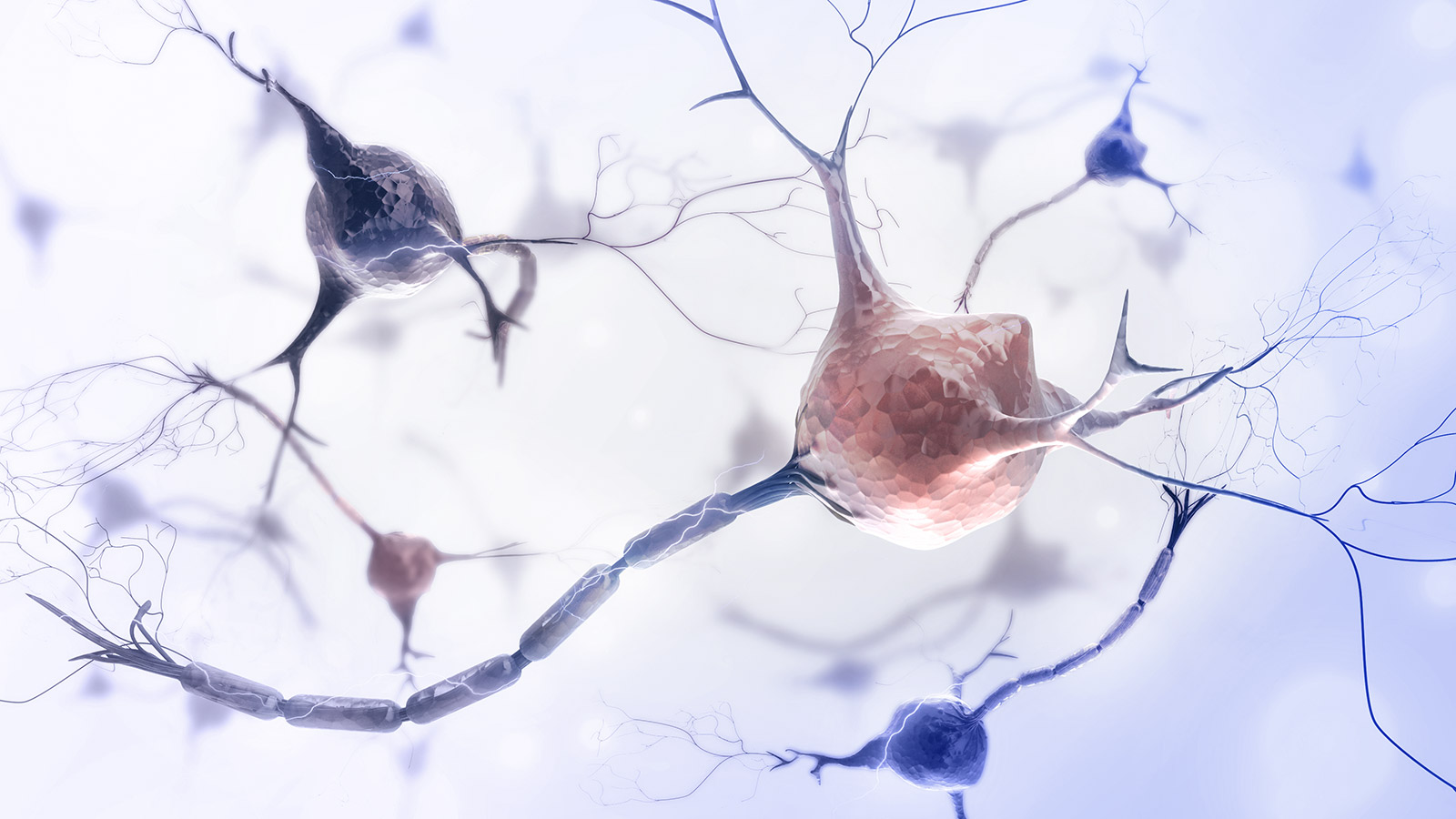
There's a common myth that we only use around 10% of our brain, when in fact it's an organ that's working on overdrive every second of the day. That is of course, until something goes wrong. A problem in your brain is often a serious one, so we've gathered some expert minds and picked their brains to provide you with useful advice.


Trastornos cerebrales
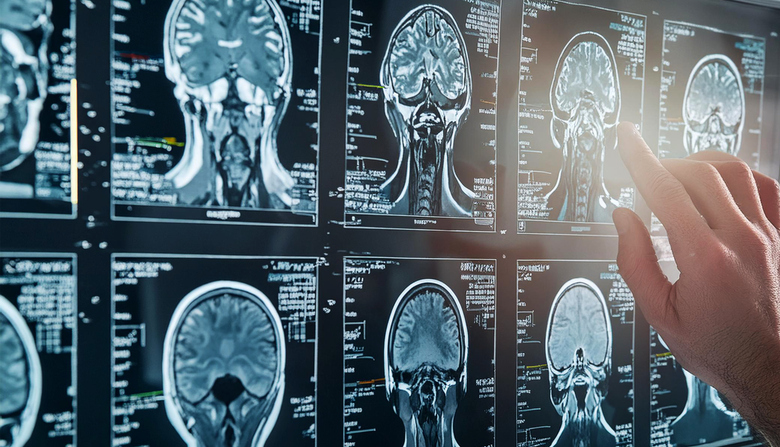
Not every brain condition fits a neat label. Explore other brain disorders such as tumours or encephalitis and when to seek expert help.
Epilepsy and seizures
A seizure is a single, temporary event of abnormal electrical activity in the brain, whereas epilepsy is a neurological disorder diagnosed by two or more unprovoked seizures. While all epilepsy involves seizures, not everyone who has a seizure has epilepsy.
Lesión en la cabeza
A blow to the head should never be ignored. Understand the signs of concussion and more serious injuries, and what to do if it happens.
Dolor de cabeza
Los dolores de cabeza son extremadamente comunes y varían desde dolores leves tipo tensión hasta dolores de cabeza en racimo severos. La mayoría son inofensivos, originándose por estrés, deshidratación, mala postura o falta de sueño.
Debilidad y entumecimiento en las extremidades
Numbness and tingling in the limbs is a common symptom usually caused by nerve or circulation issues. While "pins and needles" from sitting awkwardly is harmless, persistent or spreading sensations require medical evaluation.
Pérdida de memoria y demencia
La pérdida de memoria puede variar desde un olvido menor y temporal hasta signos tempranos de demencia. Aunque puede ser una parte natural del envejecimiento o ser causado por el estrés, la fatiga o la falta de sueño, también puede indicar una condición médica subyacente.
Migraña
A migraine is a complex disorder characterized by recurring, intense headaches. It typically causes moderate to severe throbbing pain along with nausea, vomiting, and heightened sensitivity to light, sound, and smells.
Trastornos del movimiento
Movement disorders are a group of neurological conditions that disrupt the nervous system’s ability to control body movements, leading to involuntary twitches, spasms, or sluggish, limited motion.
Trastornos nerviosos
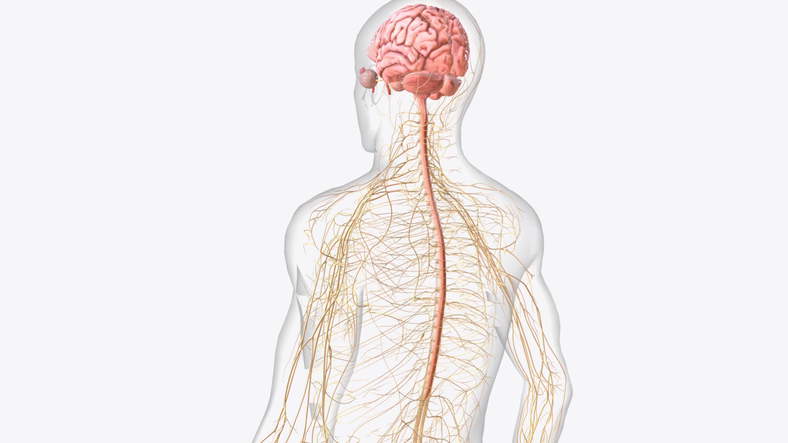
Peripheral nerve disorders (neuropathy) occur when nerves outside the brain and spinal cord are damaged. Symptoms vary by the affected nerve and include numbness, tingling, weakness, and pain.
- parálisis de Bell
- Síndrome del túnel carpiano
- Síndrome de dolor regional complejo (CRPS)
- Amiotrofia diabética
- Neuropatía diabética
- Pie caído
- Trastorno neurológico funcional
- Estudios de conducción nerviosa
- Daño nervioso después de una inyección epidural
- Neuroblastoma
- Dolor neuropático
- Neuropatía periférica
- Neuralgia posherpética
- Herpes zóster
- Lesiones del lóbulo temporal
- Neuralgia del trigémino
Neurodiversidad
Neurodiversity is the concept that neurological differences (like how the brain processes information, learns, and behaves) are natural human variations rather than deficits.
Discurso
Changes to your speech can feel frightening. Learn about the possible causes—from strokes to neurological conditions—and the therapies that can help recovery.
Accidente cerebrovascular
A stroke is a medical emergency that occurs when blood flow to part of the brain is blocked or a blood vessel in the brain bursts. It requires immediate medical attention to minimise brain damage and long-term disability.