Oral steroids
Revisado por pares por Dr Rosalyn Adleman, MRCGPÚltima actualización por Dr Philippa Vincent, MRCGPLast updated 15 Oct 2024
Cumple con las directrices editoriales
- DescargarDescargar
- Compartir
- Language
- Discusión
- Versión en audio
- Add to preferred sources on Google
En esta serie:EsteroidesInyecciones de esteroidesTopical steroidsUnidades de yema de dedo para esteroides tópicosAerosoles nasales de esteroides
Steroid medicines (sometimes referred to as corticosteroids) are man-made (synthetic) versions of steroid hormones produced by the body.
There are several different forms of steroid medicines. The form discussed in this leaflet is the tablet form, taken by mouth, called oral steroids.
Other types of steroids include creams, ointments, injections, inhalers and sprays. These are discussed in the separate leaflets called Topical steroids (excluding inhaled steroids), Esteroides tópicos para el eccema y Inhaladores para el asma.
At a glance
Oral steroids are medicines similar to natural hormones that reduce inflammation and suppress the immune system.
They treat conditions like inflammatory bowel disease, asthma, allergies, and autoimmune diseases.
Short courses usually have no side effects, but long courses can cause weight gain, bone thinning, and increased risk of infection.
If taking steroids for more than 3 weeks, do not stop suddenly as this can cause serious withdrawal symptoms.
Many medicines can interact with oral steroids; tell your doctor about all other medications you are taking.

¿Inseguro sobre mezclar medicamentos?
Verifica posibles interacciones entre medicamentos, suplementos y alimentos antes de tomarlos juntos.
En este artículo:
Video picks for General medicine information
Continúa leyendo abajo
What is an oral steroid?
Steroids are a type of hormone produced by the body. They have many functions, including reducing inflammation and suppressing the body's immune system.
Steroid medicines are man-made but are similar to these natural hormones. Oral steroids are steroid medicines taken by the mouth.
Steroid medicines used to treat disease are also called corticosteroids.
Types of oral steroids
Volver al contenidoThe most commonly used corticosteroid medicine type is glucocorticoids. These include steroids such as:
The other group are called mineralocorticoids. Mineralocorticoids are usually used for replacing steroids the body isn't producing itself. The one commonly used is fludrocortisone.
Continúa leyendo abajo
What are oral steroids used for?
Volver al contenidoOral steroids are used to treat a large number of conditions, usually by reducing inflammation or the effect of the immune system. Some examples include:
Inflammatory bowel diseases (for example, enfermedad de Crohn, colitis ulcerosa).
Autoimmune diseases (for example, lupus eritematoso sistémico (LES), hepatitis autoinmune).
Relapses that occur in multiple sclerosis.
Joint and muscle diseases (for example, artritis reumatoide, polimialgia reumática).
Asma.
Crup.
Oral steroids are also used to treat the effects of some cancers or to treat conditions in which a person is not making enough of their own natural steroids (for example, in Addison's disease, congenital adrenal hyperplasia y hipopituitarismo).
What is the dose for oral steroids?
Volver al contenidoThis will vary depending on the steroid used and the condition for which they are prescribed. For short courses, usually a relatively high dose is prescribed each day for up to a week, and then stopped abruptly at the end of the course. If oral steroids are taken for longer than this it is important to reduce the dose gradually before stopping.
For those who have to take oral steroids for a longer time, a common treatment plan is to start with a moderately high dose to control symptoms. The dose is then reduced to the lowest daily dose that keeps symptoms away.
Continúa leyendo abajo
How long are oral steroids used?
Volver al contenidoThe length of treatment can vary, depending on the disease. Sometimes the steroid treatment is gradually stopped if the condition improves, and restarted if it worsens. In some conditions steroids are needed lifelong.
Oral steroids can suppress your body from making its own- see below. If you are taking them for a short period of time, your body can recover quite well.
However, if you have taken high dose steroids (40mg for more than 1 week) or have been on them for longer than 3 weeks, you must never stop the steroid suddenly as this could cause a crisis condition leading to coma and possibly death.
Your doctor will discuss and guide you on how to stop the steroids over a certain period of time.
When should I take oral steroids?
Volver al contenidoIt will depend on which steroid you take, and what it is for. Usually steroids are taken first thing in the morning, with food. The pharmacist will be able to advise further.
Side-effects of oral steroids
Volver al contenidoA short course of oral steroids usually causes no side-effects. Side-effects are more likely to occur with a long course of oral steroids (more than 2-3 months), or if short courses are taken repeatedly.
The main possible side-effects include the following:
'Adelgazamiento' de los huesos (osteoporosis)
If steroids are going to be taken long-term then it is often advised to take medications or supplements to strengthen the bones and help prevent osteoporosis.
Aumento de peso
Weight gain is common on high dose or long-term oral steroids. As well as gaining weight, some people develop puffiness around the face and at the base of the neck.
Increased chance of infections
On long-term or high-dose oral steroids, there is a higher chance of developing an infection, or an infection being more serious, because steroids may suppress the immune system.
In particular, people who have not had chickenpox or measles in the past (and so are not immune) may be advised to avoid people with chickenpox, herpes zóster o sarampión.
Infections which may remain in the body, such as tuberculosis (TB), or herpes, may recur.
Increase in blood pressure
There may be an increase in blood pressure, so it is important for blood pressure to be checked regularly, at least once a year. It can be treated if it becomes high.
High blood sugar (hyperglycaemia)
Steroids can cause raised blood sugar, leading some people to develop diabetes. People who already have diabetes may need more medication to control their blood sugar. People on long-term oral steroids are usually advised to have a yearly blood test to check for diabetes
Problemas de piel
Long-term oral steroids often cause skin problems such as slower healing after injuries, thinning skin, and easy bruising. Stretchmarks sometimes develop.
Debilidad muscular
Debilidad muscular can be noticeable on long-term oral steroids but this improves after the steroid is stopped.
Mood and behavioural changes
Some people feel better in themselves when they take steroids, noticing increased energy. However, steroids may aggravate depresión and other serious mental health problems, and may occasionally cause mental health problems.
If this side-effect occurs, it tends to happen within a few weeks of starting treatment and is more likely with higher doses. Occasionally people even become confused; they may develop delusional and suicidal thoughts.
These mental health effects can also occur when steroid treatment is being withdrawn. Medical advice should be sought if worrying mood or behavioural changes occur.
An increased risk of developing cataracts
It is important to have regular eye tests at the optician. An optician's advice should be sought if any sight problems, such as blurred vision, develop. There is an increased risk of developing cataracts.
An increased risk of duodenal ulcers and stomach ulcers
As there is an increased risk of duodenal ulcers y úlceras estomacales, medical advice should be sought if indigestion, acid reflux or tummy (abdominal) pains occur. For people at risk of these conditions, medication may be prescribed to reduce the symptoms and the risk of developing an ulcer.
NOTE: The above are only the main possible side-effects which may affect algunas people who take steroids. There is often a balance between the risk of side-effects of oral steroids against the effects of the diseases if not treated. Less common side-effects are not listed above but will be included on the leaflet that comes with the medicine.
Who cannot take oral steroids?
Volver al contenidoThere are very few people who cannot take oral steroids.
Oral steroids are used with caution in people who:
Have liver problems.
Have a history of severe mental health problems.
Have a history of úlceras estomacales o duodenal ulcers.
Have cataratas.
Have certain heart conditions, such as a recent ataque al corazón, insuficiencia cardíaca, or presión arterial alta (hipertensión).
Have diabetes.
Have epilepsy.
Have systemic sclerosis.
Está embarazada.
Are breastfeeding.
It is important to tell a doctor or pharmacist if you are pregnant or may be pregnant, or are breastfeeding.
How do I stop oral steroids?
Volver al contenidoWith a short course of an oral steroid (a week or less), it is usually advised to abruptly stop taking the tablets at the end of the course.
With a longer course, there will be a gradual reduction in dose before stopping.
When not to stop taking oral steroids suddenly
Do not stop taking oral steroids suddenly if you have been taking a dose of 40mg, or higher than this, for more than 1 week or taking lower doses for 3 weeks or more.
It probably does no harm to forget the odd dose. However, there may be serious withdrawal effects once the body is used to the steroids. These may develop within a few days if stopping oral steroids suddenly. Any change in dose should be supervised by a doctor.
Why is it necessary to reduce the dose gradually before stopping oral steroids?
The body makes steroid hormones by itself and these are necessary for the body to function. When taking oral steroids for a few weeks or more, the body reduces or stops making its own steroid hormones.
If the oral steroids are stopped suddenly, the body does not have the hormones it needs to function. This can cause withdrawal symptoms which can be serious and life-threatening. The symptoms can include:
Debilidad.
Cansancio.
Sensación de malestar (náuseas).
Estar enfermo (vómitos).
Pérdida de apetito.
Dolor de barriga (abdominal).
Low blood sugar (hipoglucemia).
Baja presión arterial (hypotension) which can cause dizziness, fainting or collapse.
Developing patches of darker coloured skin.
When the dose is reduced gradually, the body gradually resumes its natural production of steroids and the withdrawal symptoms do not occur.
Other important points about oral steroids
Volver al contenidoDo not take anti-inflammatory painkillers (such as ibuprofeno) whilst taking steroids (unless advised by a doctor). The two together further increase the risk of a stomach or duodenal ulcer developing
Most people who take regular steroids carry a steroid card which should be provided by the person who prescribes or supplies your medicine, and/or they wear a medical emergency identification bracelet or equivalent. This gives details of the dose and medical condition in case of emergencies.
The dose of steroid may need to be increased for a short time if ill with specific conditions, for example, during a serious infection or when undergoing surgery. This is because additional physical stress is placed on the body by these events and therefore higher steroid levels are needed - normally the body would naturally produce these but taking oral steroids switches off the body's normal supply.
Can I take other medicines when I am taking steroids?
Volver al contenidoMany medicines can affect or be affected by oral steroids. This means the steroid could affect how they work, either resulting in the other medicine being ineffective or having more side-effects than usual. They can also interact the other way around, with the other medicine affecting the corticosteroid.
Examples of medicines which can interact with steroids include:
Warfarina (a blood-thinning medicine to prevent blood clots).
Non-steroidal anti-inflammatory drugs (NSAIDs), such as ibuprofeno, diclofenaco y naproxeno. Both NSAIDs and steroids can cause gut ulcers as a side-effect, so when taken together, the risk is particularly high. A medicine such as a inhibidor de la bomba de protones (IBP) may need to be taken to reduce this risk.
Live vaccines. Most vaccines do not contain the germ they are protecting against, but a few do. These include the measles, mumps and rubella (MMR) vacuna, rotavirus, yellow fever and tuberculosis (TB). People taking steroid medication and people who are living with those taking steroid medication should avoid live vaccines unless specifically advised otherwise.
Medicines for epilepsy, specifically carbamazepine, fenitoína y phenobarbital.
Medicines for diabetes. After starting steroids blood sugars should be tested more frequently, and then the doses of medicines for diabetes can be altered if required
What should I do if I am taking one of the medicines which interact with oral steroids?
Volver al contenidoAs long as the doctor knows this is being taken, they can advise accordingly.
Can I take oral steroids if I am pregnant or breastfeeding?
Volver al contenidoUsually steroids can safely be used safely in pregnant or breastfeeding women. The lowest dose possible for the shortest possible amount of time would be used. Some, but not all, studies looking at steroid use in the first 12 weeks of pregnancy, showed they may slightly increase the risk of the baby having a cleft lip and/or palate and also might increase the risk of a pre-term birth.
One particular oral steroid (dexamethasone) is often used towards the end of pregnancy if there is a risk of a pre-term birth as it can help the baby's lungs to mature more quickly and improve the baby's chance of survival.
Patient picks for General medicine information
Tratamiento y medicación
Verifica las interacciones de tus medicamentos
Utilice esta herramienta de verificación de medicamentos y posibles interacciones para determinar si sus medicamentos, suplementos, vitaminas, alimentos o ciertas condiciones de salud pueden interactuar entre sí. Puede ayudarle a comprender los riesgos potenciales, evitar efectos secundarios no deseados y decidir cuándo es importante consultar a un farmacéutico, médico o profesional de la salud. La herramienta es adecuada para verificar tanto medicamentos con receta como de venta libre, así como suplementos comunes y remedios herbales. Abrir en una nueva ventana
Tratamiento y medicación
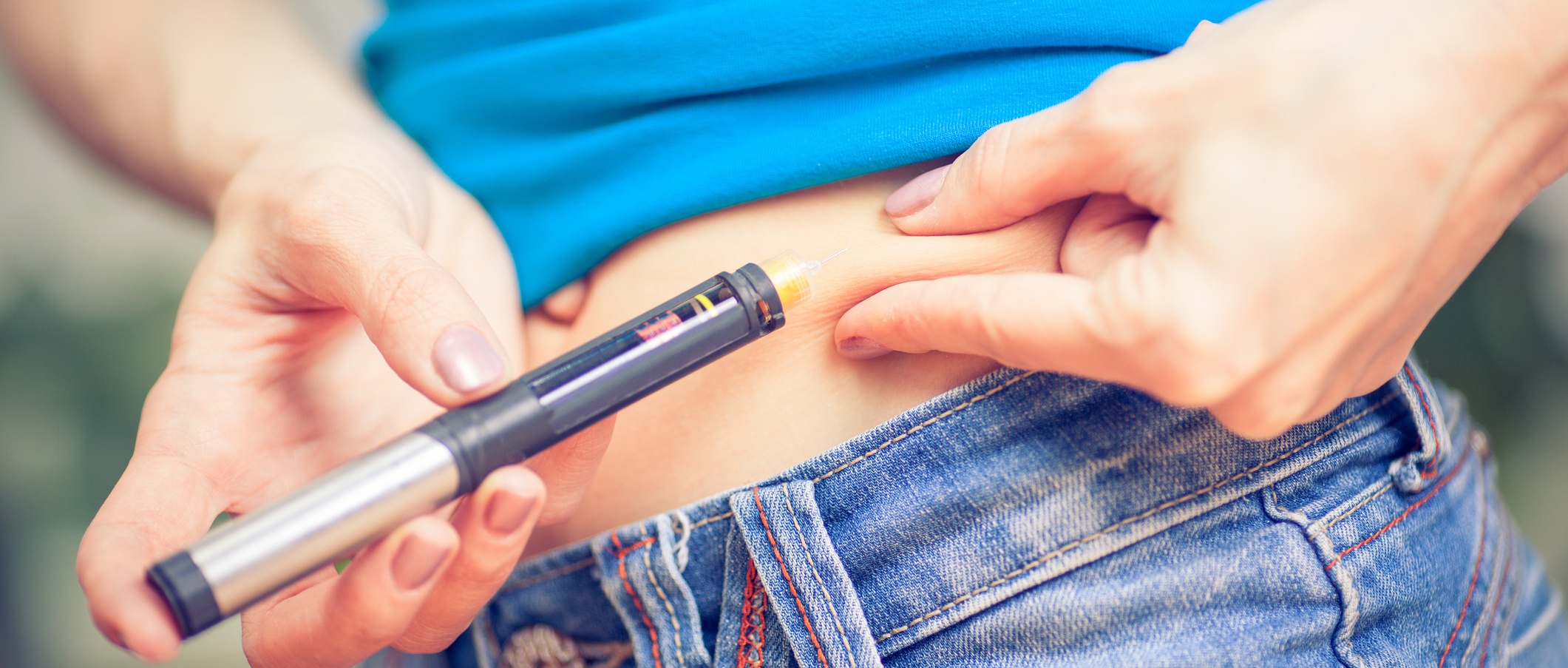
Insulina
La insulina es una hormona producida naturalmente en el cuerpo por el páncreas. Esta hormona controla el nivel de azúcar (glucosa) en la sangre. Las personas con diabetes tipo 1 necesitan inyecciones regulares de insulina. En la diabetes tipo 1, el cuerpo deja de producir insulina y el nivel de azúcar en la sangre se eleva mucho. Algunas personas con diabetes tipo 2 también pueden necesitar inyecciones de insulina para ayudar a controlar los niveles de azúcar en la sangre. La insulina generalmente se inyecta debajo de la piel entre 2 y 4 veces al día. Hay diferentes tipos de insulina disponibles, que se clasifican según la rapidez con la que actúan y cuánto tiempo duran. Su médico o enfermero de diabetes discutirá las diferentes preparaciones y dispositivos disponibles y le ayudará a elegir un régimen que sea adecuado para usted. El tratamiento con insulina suele ser de por vida.
por el Dr. Colin Tidy, MRCGP
¿Inseguro sobre mezclar medicamentos?
Verifica posibles interacciones entre medicamentos, suplementos y alimentos antes de tomarlos juntos.
Preguntas frecuentes
What is the difference between naturally produced steroids and the steroid medicines I take?
Steroids are hormones naturally produced by your body that perform various functions, such as reducing inflammation and regulating your immune system. Steroid medicines, also known as corticosteroids, are man-made but are designed to mimic these natural hormones.
Are there different types of oral steroids and how do they differ?
Yes, there are two main types. The most common are glucocorticoids, which include drugs like Prednisolone and Dexamethasone, and are mainly used to reduce inflammation or suppress the immune system. The other type is mineralocorticoids, such as fludrocortisone, which are typically used to replace steroids the body isn't producing itself.
If I am on long-term oral steroids, do I need to take particular precautions regarding infections?
Yes, if you are on long-term or high-dose oral steroids, your immune system may be suppressed, increasing your risk of infection or making infections more serious. If you haven't had chickenpox or measles, you should avoid people with those conditions or shingles. There's also a risk that dormant infections like tuberculosis or herpes could reactivate.
Why is it important to tell my doctor if I'm pregnant or breastfeeding before taking oral steroids?
While steroids can generally be used safely in pregnant or breastfeeding women at the lowest possible dose for the shortest time, it's crucial to inform your doctor. Some studies suggest a slight increase in the risk of cleft lip/palate in the first 12 weeks of pregnancy and also a potential increase in pre-term birth risk. Your doctor will weigh the benefits and risks for your specific situation.
What should I do if I forget to take a dose of my oral steroid medicine?
It is unlikely to cause any harm if you occasionally forget a dose of your oral steroids. However, any changes to your dosage, including stopping them, should be supervised by a doctor to avoid potential withdrawal effects.
Can oral steroids affect my mental health?
Yes, some people experience mood and behavioural changes. While some may feel more energetic, steroids can worsen depression or other serious mental health problems and may occasionally cause new mental health issues. These effects are more common with higher doses and usually appear within a few weeks of starting treatment. Mental health effects can also occur during withdrawal from steroids. If you experience worrying changes, you should seek medical advice.
Why might I need to carry a steroid card or wear a medical emergency identification if I take oral steroids?
If you take regular steroids, it's important to carry a steroid card or wear medical emergency identification. This provides important information about your dose and medical condition in an emergency. In certain situations, like a serious infection or surgery, your steroid dose might need to be temporarily increased because your body would normally produce more natural steroids during stress, but oral steroids suppress this natural production.
Lecturas adicionales y referencias
- Corticosteroids - oral; NICE CKS, enero 2024 (acceso solo en el Reino Unido)
- BUMPS: oral and injected (systemic) corticosteroids. December 2016
- Society for Endocrinology: Adrenal Crisis Information
- Society of Endocrinology: New NHS Steroid Emergency Card. Autumn 2020
Continúa leyendo abajo
About the authorView full bio

Dra. Philippa Vincent, MRCGP
Médico General, Autor Médico
MB BS, Bsc, MRCGP (2000), DCH, DFSRH, DRCOG
Dra Philippa Vincent is an NHS GP working in North London.
About the reviewerView full bio

Dr Rosalyn Adleman, MRCGP
MRCGP
Dr Rosalyn Adleman, is an NHS GP working in north London.
Historial del artículo
La información en esta página está escrita y revisada por pares por clínicos calificados.
Próxima revisión: 14 de octubre de 2027
15 Oct 2024 | Última versión

Pregunta, comparte, conecta.
Navega por discusiones, haz preguntas y comparte experiencias en cientos de temas de salud.

¿Te sientes mal?
Evalúa tus síntomas en línea de forma gratuita
Suscríbete al boletín de Patient
Tu dosis semanal de consejos de salud claros y confiables, escritos para ayudarte a sentirte informado, seguro y en control.
By subscribing you accept our Política de Privacidad. Puedes darte de baja en cualquier momento. Nunca vendemos tus datos.