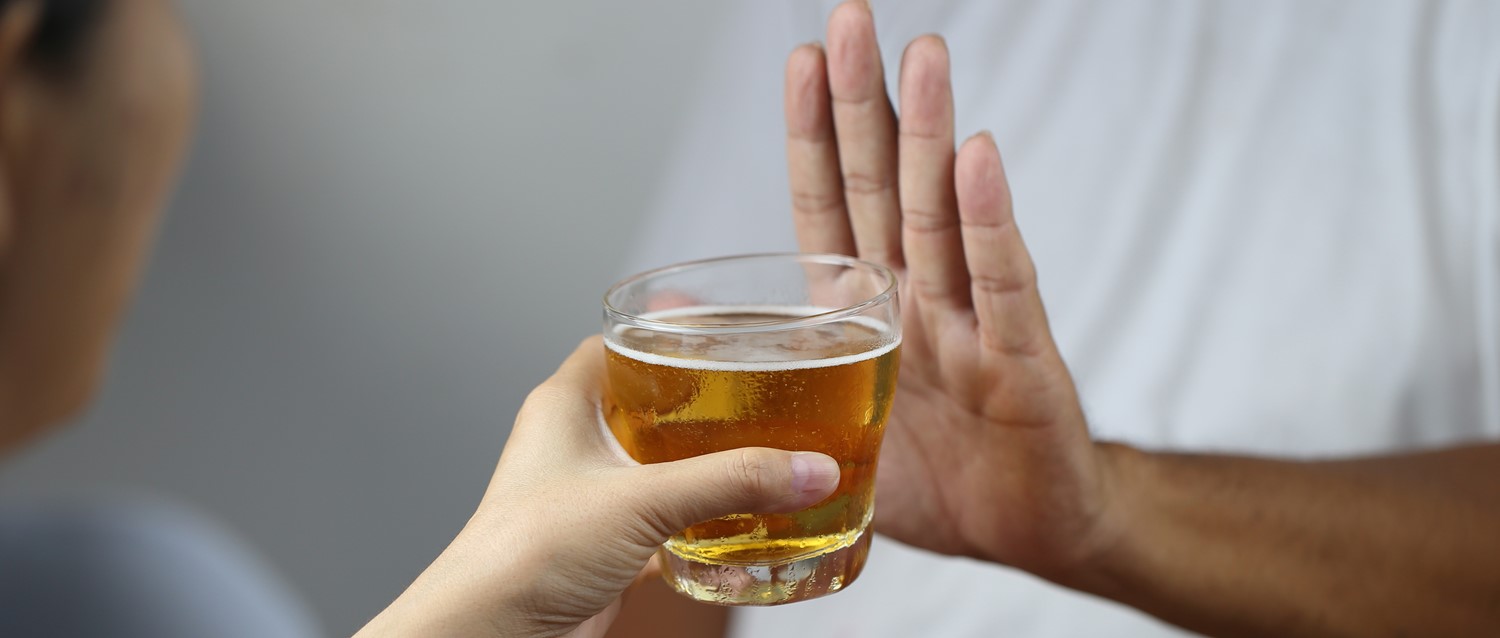
What not to say to someone who doesn't drink alcohol
Peer reviewed by Dr Sarah JarvisAuthored by Emily Jane BashforthOriginally published 24 Nov 2021
Meets Patient’s editorial guidelines
- DownloadDownload
- Share
- Language
- Discussion
- Audio Version
- Add to preferred sources on Google
There are a variety of reasons why people don't drink alcohol. Maybe it's a simple lifestyle choice, or they might be trying to overcome an addiction. Whatever the situation, it's important to be respectful, particularly as we enter Christmas and New Year party season. Likewise, if you're struggling with your drink, there are places you can seek help.
Reasons why someone might not drink alcohol
Religion.
Culture.
Personal choice
Pregnancy/breastfeeding.
Trying for a baby/undergoing fertility treatment.
Pre/post surgery.
Undergoing chemotherapy.
Health conditions (such as cardiovascular illnesses, high blood pressure, or high cholesterol).
Requirement of employment.
Supporting someone with addiction.
Overcoming alcoholism or other addiction themselves.
Diagnosed mental health disorder.
Medication (some antibiotics, such as metronidazole, mean alcohol must be avoided).
Low immunity (immunosuppressed/autoimmune diseases).
Nutritional choice (for example, alcohol is less tolerated on the Keto diet).
Driving on the day.
What should you not say to someone who doesn't drink alcohol?
"Just have one"
This can be said in a bar, on work nights out, or when meeting friends socially in a pub. However, Alex Walker, founder of Bee Sober CIC, explains it is harmful, as some people stop drinking because they are addicted to or dependent on alcohol.
"Not everyone can limit themselves to just one drink. Having none can actually be easier than setting rules around drinking for many people. Also, you do not know the reason they don't drink. It could put someone in a very difficult position if you are pressuring them to drink. For example, if they are very early on in a pregnancy but don't want to disclose it yet."
"I don’t need to stop drinking"
"This comes up in most conversations when someone finds out you don't drink anymore. It insinuates the person not drinking had a problem, and it is offensive," says Walker.
She highlights that saying this is wrong because it assumes the person stopped drinking because they needed to, which isn't always the case.
"Just because someone chooses not to drink, doesn't mean they are judging your drinking or need information about your intake."
"But why?"
Human beings are naturally inquisitive, so it's understandable why you want to ask questions when someone tells you they don't drink, especially if everyone else you know actually enjoys drinking. However, enquiring why someone abstains from drinking is invasive, particularly if you don't know them well.
Walker says that if a person does not disclose their reason for not drinking, they most likely have a reason for that. Perhaps it's a personal matter they do not wish to discuss.
"Some people will gladly offer the information and welcome questions, but if they don't, don't ask. If they told you they didn't want a cigarette, you wouldn't feel the need to ask them why not."
"Come on, live a little"
When someone stops drinking, they can fear that others will find them boring. This can make them feel self-conscious if someone says this after a few drinks at a bar - as if they're being the 'party pooper'. However, Walker says stopping drinking can be a big decision for someone. It might have even been a life or death situation.
"Telling someone they are 'boring' for not drinking is both incorrect and unsupportive. Most sober people have a variety of ways to socialise that don't involve alcohol, and that doesn't make them any less fun," she says.
"So what do you do then, if you don't drink?"
This uncomfortable situation can be avoided by not questioning someone's reasons for not drinking in the first place. A person who doesn't drink most likely does the same things as anyone else, just minus the alcohol. They can still attend parties and go to bars and clubs, and having a drink in hand isn't the only way to fit in to society. However, it can be difficult for someone who doesn’t drink to feel that they constantly have to explain themselves.
"We didn't invite you because we thought you'd be bored"
This can happen after an event when the person not drinking challenges their friendship group about why they weren't invited. It is usually when someone is early on in their sobriety, and the group has little understanding. It should be down to the individual to decide whether they want to go somewhere, because they can still have a good time, regardless of whether alcohol is involved. Even if someone does turn down an invitation, it is still nice to be asked.
"Don't you feel like you're missing out?"
"Fear of missing out can prevent people from going sober but, in reality, the person who doesn't drink doesn't miss out. The way they socialise is just different. If anything, they can discover more of themselves and what they enjoy without alcohol. This is especially true the further into sobriety someone is, as they find new ways to have fun," says Walker.
Instead, what can you say to be supportive?
That's fine.
What do you want to drink instead?
Are you happy socialising here, or would you prefer to do something else?
I'll get the alcohol-free menu for you.
Well done, that's a great thing to do for yourself.
I'm really interested in what being sober is like. Do you want to talk about it?
We would still love you to come to the event. It's about you, not what you're drinking.
Bet you love not waking up with a hangover!
Things to remember if you don't drink alcohol
In a world where alcohol seems to be omnipresent, it's important to remember that there is nothing wrong with you for not drinking. Especially if you choose not to drink to overcome addiction or tackle another health problem, you are doing the right thing and it is very brave.
"It isn't easy to step out of the ordinary and go against the grain when it's ingrained in our society that we need to drink. There is pressure to drink to celebrate, to commiserate, to de-stress, when we are tired and even when we are happy. By not drinking, you are stepping out of the norm. While this can be frightening, you are showing yourself and others that you can do everything in life just as they can, without the crutch of a drink," says Walker.
She highlights that it takes emotional resilience and mental strength to maintain sobriety and navigate life in all its rawness without alcohol.
"But if you are choosing to do that, for whatever reason, you have done really well so far and can continue to do so. If you are craving a drink, remember to check in with yourself. Remind yourself of the reasons why you chose this path and, if you're overcoming an addiction, go easy on yourself. Don't put pressure on yourself to quit forever immediately, and be sure to communicate your feelings."
She also stresses the importance of practising the appropriate self-care tool for the emotion currently at play, rather than turning to alcohol as a quick solution.
"If you are tired, then rest. If you are happy, consider how adding alcohol can only numb that feeling. If you are lonely, connect with people who understand what you're going through. Remember that alcohol is a depressant and it is unlikely to make any of these things better in the long run."
Where can you seek support if you have a drinking problem?
If you feel you have a drinking problem there are many places to get support, and you are never in it alone. Realising that you might have a problem is the first step to getting better, with the signs that you might need help including:
Feeling a constant need to have a drink.
Being told by others that you are drinking too much.
Getting into trouble or experiencing problems in your personal life because of your drinking.
Thinking your drinking is causing health problems.
Start by making an appointment with your GP, who can assess your situation. It can be tempting to lie about how much and how often you are drinking, but being honest is the only way to ensure you are properly helped. Your GP can help create a plan to cut down your alcohol intake gradually, so you don't get overwhelmed and panicked about going cold turkey.
It might be particularly important to slowly cut out alcohol if you've become dependent on it, as stopping drinking altogether instantly could do more harm. You'll likely also need help to maintain sobriety and deal with the effects of not drinking, both on your body and other issues in your life that drinking has been suppressing.
Your GP might refer you for treatment, such as alcohol counselling. You can also access community support groups which can help you rebuild your lifestyle without alcohol, offer friendship and opportunities to socialise.
Contacts for support with alcoholism
Drinkline: 0300 123 1110 (open weekdays 9 am-8 pm and weekends 11 am-4 pm).
We Are With You: 0808 8010 750.
Alcoholics Anonymous (AA): offers a 12-step programme to get sober with regular support.
Adfam: offers support for families and carers affected by addiction.
SMART Recovery: helps people build motivation to change their behaviours and maintain a balanced lifestyle with coping techniques.
Similarly, if you are feeling pressured to drink against your will, maybe you need to surround yourself with people who won't make you feel that way. You should remain assertive, practise different ways of saying 'no' and talk to someone you trust about how you feel.
Patient picks for Alcohol advice

Healthy living
The best way to get rid of a hangover
Prevention might well be better than cure when it comes to drinking too much alcohol. But what if it's too late for that? We ask the experts exactly what happens to your body when you're hungover, offer practical steps to ease your symptoms and reveal how to stop history repeating itself.
by Victoria Raw

Healthy living
How to drink sensibly over the festive season
Across the UK, offices are gearing up for their Christmas parties, pubs are taking bookings for get-togethers and many are busy organising their social calendar through into next year. For many, festive drinks will be part of the package. But you shouldn't throw all of the health rules out of the window in the name of Christmas.
by Milly Evans
About the authorView full bio
Authored by

Emily Jane Bashforth
Feature Writer
NCTJ
Emily is a Feature Writer with Patient, writing articles on a variety of topics relating to health and well-being.
About the reviewerView full bio

Dr Sarah Jarvis
Clinical Consultant
MA (Cantab), BM, BCh (Oxon), DRCOG, FRCGP, MBE
After training in medicine at Cambridge and Oxford, Dr Sarah Jarvis MBE became a GP.
Article history
Article also available in English, German, Spanish, French, Italian, Portuguese, Hindi, Hebrew, Arabic, and Swedish.
24 Nov 2021 | Originally published
Authored by:
Emily Jane BashforthPeer reviewed by
Dr Sarah Jarvis
Join the conversation
Share your thoughts or experiences with others in our patient communities.

Ask, share, connect.
Browse discussions, ask questions, and share experiences across hundreds of health topics.

Feeling unwell?
Assess your symptoms online for free
Sign up to the Patient newsletter
Your weekly dose of clear, trustworthy health advice - written to help you feel informed, confident and in control.
By subscribing you accept our Privacy Policy. You can unsubscribe at any time. We never sell your data.