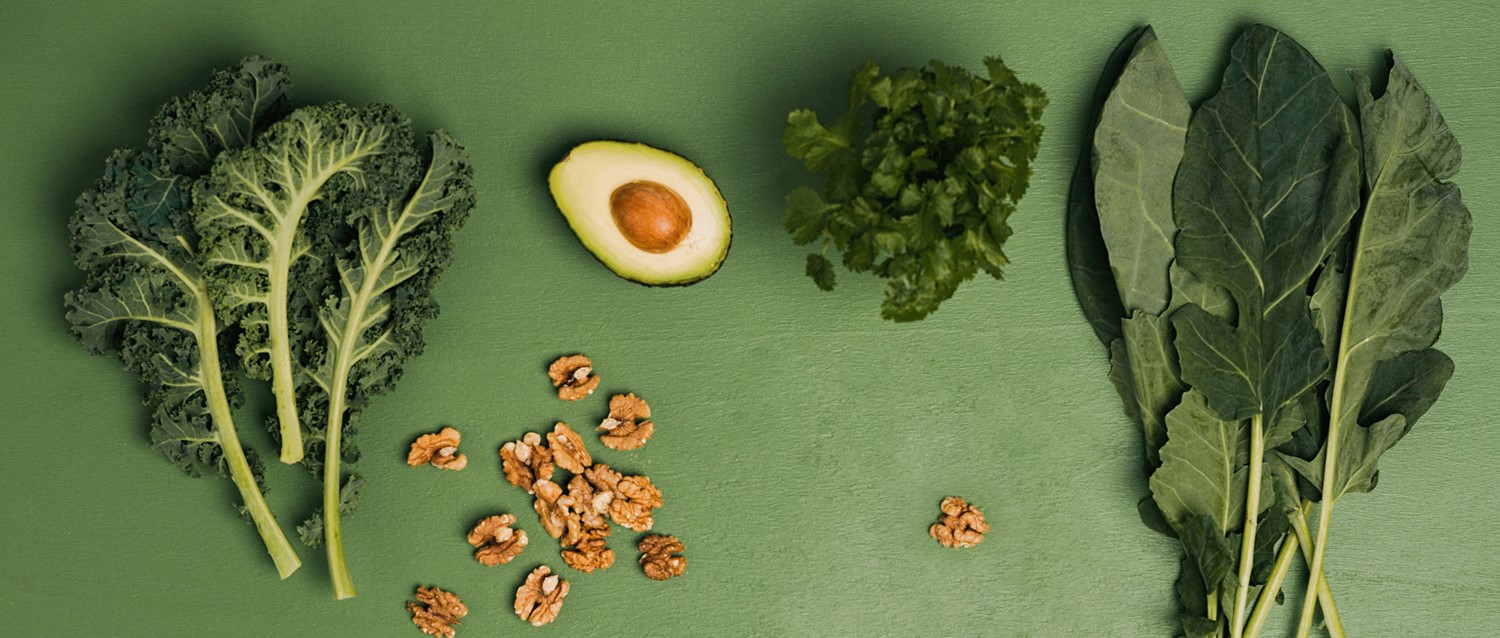
La dieta keto: ¿qué es y funciona?
Revisado por pares por Dra. Sarah JarvisÚltima actualización por Dra. Carrie Ruxton, PhD, Nutrición InfantilÚltima actualización 6 Mar 2019
Cumple con las directrices editoriales
- DescargarDescargar
- Compartir
- Language
- Discusión
- Versión en audio
- Agregar a fuentes preferidas en Google
Los planes bajos en carbohidratos se están estableciendo más en el mundo de la nutrición, pero ¿qué hay de su primo más extremo, la dieta cetogénica? Promocionada por celebridades de Hollywood por quemar grasa, reducir el apetito y controlar el azúcar en sangre, ¿es realmente todo lo que se dice? ¿Y qué hay de los riesgos?
What is the keto diet?
The ketogenic diet has been around for more than 100 years when it was developed for the treatment of severe epilepsia. Doctors at the time noticed that short-term starvation helped patients to control their seizures but this wasn't a safe or convenient option for everyone, particularly children.
Research showed that a 'water only' starvation diet worked because substances called ketone bodies, produced as a byproduct of fat burned for energy, were released into the bloodstream by the liver. These acted in the brain to combat the abnormal nerve impulses blamed for epilepsy. Later studies found that a low-carb, high-fat diet could do the same job and the keto diet was born.
After falling out of favour for a few decades, when medicines for epilepsy improved, the diet had a resurgence in the 1990s thanks to high-profile doctors in the US, and is still used today as a first-line treatment for some neurological conditions.
How does the keto diet work?
The original keto diet consisted of one gram of protein for each kilogram of body weight, plus 10-15 grams of carbs and the remaining calories from fat, which was pretty extreme. Nowadays, specialist dieticians calculate the amount of fat, carbohydrate and protein that each patient needs based on their body weight and nutritional requirements. This can make the diet easier to follow and reduce the risk of deficiency.
A typical day's diet might involve double cream, meat, eggs, butter, vegetable oil with a few servings of low-carb vegetables and fruits, like celery, apple or berries. Starchy carbs, like bread, pasta, breakfast cereals, potatoes and rice, are excluded, as are bananas, peas, and corn.
A keto breakfast might include a range of dishes such as French crepes, smoked salmon egg bites, and a keto smoothie. A keto lunch or dinner on the other hand might include foods such as scrambled eggs, chicken, and broccoli.
Because the keto diet is not nutritionally complete, dietary supplements are advised.
Dietician, Dr Frankie Phillips, comments: "While there is plenty of social media chatter about keto diets, I would always stress that it's primarily a therapeutic diet for medical conditions like epilepsy, Parkinson's disease, or chronic headache. If you are looking to lose weight or manage blood sugar levels, there are far less complex options available, such as low-fat diets or moderate to low-carb diets, which are also more nutritionally balanced."
Is the keto diet safe?
Dozens of high-quality studies and specialists reviews, called meta-analyses, have been published on the benefits of the ketogenic diet for drug-resistant epilepsy.
The most important of these was a Cochrane review - the go-to evidence for medical and healthcare professionals - which looked at the findings of 11 clinical studies. The results showed that keto diets could help up to 55% of patients become free of seizures, or reduce their symptoms by up to 85%. However, the studies were small and fairly low in quality. Nevertheless, the authors concluded that there was promising evidence for keto diets, and the easier-to-use modified Atkins diets, in children as well as adults.
For other conditions, the health benefits are far less clear. Some studies show symptomatic relief in individuals with Parkinson's disease or Alzheimer's but there are too few studies to be sure that keto diets would be right for everyone with these conditions. Scientists have also raised concerns about keto diets worsening malnutrition in elderly people with neurological conditions.
Does the keto diet really work?
For weight loss - the main reason why celebs reach for keto or low-carb diets - the results don't seem worth the effort in sticking to a highly restrictive diet.
A meta-analysis published in the British Journal of Nutrition combined the results of 13 studies which followed patients using keto or low-fat calorie-controlled diets for at least a year. While the keto diets performed statistically better, the difference in average weight loss between the diets was less than a kilogram (1/2 lb) which is not clinically relevant to health. After two years, even those small differences vanished.
Keto diet side effects
Reported side effects of the keto diet include short‐term stomach upsets and increased blood colesterol levels. From a social perspective, the long list of banned foods can make celebrations and dinner invitations rather awkward. Indeed, reports show that patients find it difficult to stick to strict low-carb diets long-term.
Phillips comments: "As the best evidence is for drug-resistant epilepsy in children and adults, these are the main groups of patients who could try the keto diet, but under supervision from medical and dietetic experts. The charity, Matthew's Friends, has some great information on its website about how to get started. As for other medical conditions, or weight loss, there are alternative eating plans which are less restrictive, have fewer side effects, and which are more likely to be healthy and effective. Ask your GP for a referral to a dietician to chat through the options."
Selecciones del paciente para Dieta

Dieta y nutrición
¿Qué es la dieta Ornish y puede transformar tu salud?
La dieta Ornish es un plan basado en plantas, desarrollado originalmente por el Dr. Dean Ornish como una forma de prevenir y revertir enfermedades del corazón. Promueve una dieta baja en grasas y alta en fibra, junto con cambios significativos en el estilo de vida. Te anima a reducir tu consumo de azúcar y alimentos procesados, mientras incorporas ejercicio regular y manejas el estrés.
por Victoria Raw
Dieta y nutrición
Un enfoque híbrido para comer: tu guía de la dieta pegan
Todos estamos familiarizados con los conceptos híbridos, ya sea en el trabajo, los autos o incluso las plantas. Pero, ¿has oído hablar de la alimentación híbrida? La dieta pegan es una fusión de dos enfoques populares: vegano y Paleolítico (Paleo), que combina lo mejor de ambos mundos. Este estilo de alimentación rico en nutrientes está ganando popularidad rápidamente, así que veamos de qué se trata y cómo podría beneficiar tu salud.
por Victoria Raw
Sobre el autorVer biografía completa

Dra. Carrie Ruxton, PhD, Nutrición Infantil
Dietista y Escritora de Salud
Doctorado, Nutrición Infantil
La Dra. Carrie Ruxton se graduó como Dietista en la Universidad Queen Margaret, Edimburgo, antes de obtener un doctorado en Nutrición Infantil.
Acerca del revisorVer biografía completa

Dra. Sarah Jarvis
Consultora Clínica
MA (Cantab), BM, BCh (Oxon), DRCOG, FRCGP, MBE
Después de formarse en medicina en Cambridge y Oxford, la Dra. Sarah Jarvis MBE se convirtió en médica general.
Historial del artículo
La información en esta página es revisada por pares por clínicos calificados.
Artículo también disponible en Inglés, Alemán, Español, Francés, Italiano, Portugués, Hindi, Hebreo, Árabe, y Sueco.
6 Mar 2019 | Última versión
Última actualización por
Dra. Carrie Ruxton, PhD, Nutrición InfantilRevisado por pares por
Dra. Sarah Jarvis

Pregunta, comparte, conecta.
Navega por discusiones, haz preguntas y comparte experiencias en cientos de temas de salud.

¿Te sientes mal?
Evalúa tus síntomas en línea de forma gratuita
Suscríbete al boletín de Patient
Tu dosis semanal de consejos de salud claros y confiables, escritos para ayudarte a sentirte informado, seguro y en control.
Al suscribirte aceptas nuestros Política de Privacidad. Puedes darte de baja en cualquier momento. Nunca vendemos tus datos.
Más sobre dieta y nutrición
- 8 beneficios del té matcha
- ¿Son buenas las semillas de calabaza para ti?
- Los bebés nacidos por cesárea tienen bacterias intestinales diferentes a los nacidos por vía vaginal
- ¿Pueden los probióticos tratar la obesidad y la diabetes?
- ¿Realmente funcionan las dietas de Año Nuevo?
- ¿Los suplementos de aceite de pescado omega-3 tienen un beneficio comprobado para la salud?
- ¿Realmente ayuda el jugo de aloe vera a la salud intestinal?
- Cómo un desayuno rico en proteínas puede mejorar tu salud
- ¿Cómo pueden las dietas extremas afectar tu flexibilidad metabólica?
- Cómo ayudar a tus hijos a comer saludablemente durante la Navidad
- Cómo hacer papas asadas saludables
- Cómo tu intestino afecta tu salud en general
- Dieta para el síndrome del intestino irritable: alimentos a consumir y a evitar
- Dieta para SOP: Qué comer para manejar los síntomas
- Las proteínas de origen vegetal podrían ayudar a prevenir la hipertensión
- La verdad sobre la grasa en tu dieta
- ¿Qué son los alimentos ultraprocesados y causan cáncer?
- ¿Qué es la alimentación intuitiva y puede mejorar tu relación con la comida?
- ¿Cuál es la relación entre la ansiedad y la salud intestinal?