Plant-based proteins could help prevent high blood pressure
Peer reviewed by American Heart Association Authored by Laura WilliamsonOriginally published 7 Aug 2025
Meets Patient’s editorial guidelines
- DownloadDownload
- Share
- Language
- Discussion
- Audio Version
- Add to preferred sources on Google
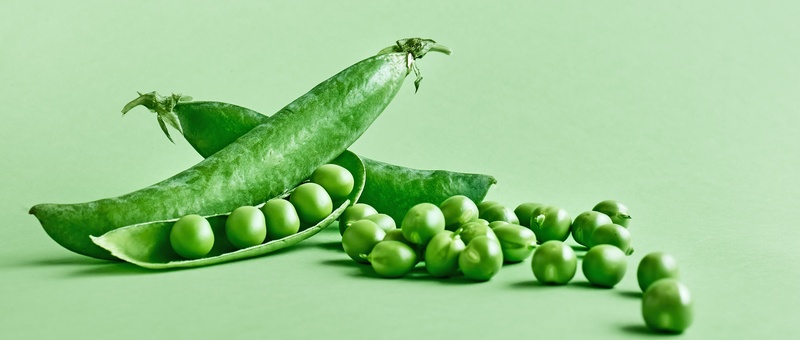
Eating a greater amount of minimally processed plant-based proteins - such as beans, nuts and lentils - may lower your chance of developing high blood pressure, according to new research.
Sponsored
Patient recommends... Hilo
Track your blood pressure continuously, day and night - without an inflatable cuff. Traditional cuffs capture just one moment, if you remember to use them. Hilo takes about 25 readings a day, revealing how stress, meals, and activity affect your blood pressure so you can make informed choices for your wellbeing.
› Shop now

The study1, published recently in the Journal of the American Heart Association, also suggests that minimally processed animal proteins could be included in weekly meal plans without significantly affecting your chance of getting high blood pressure.
The study's senior author, Dr Marcia Otto, nutritional epidemiologist and an associate professor at UT Health Houston School of Public Health, US, says the study focused on foods, not the plant-based supplements that can be found on supermarket shelves.
What is high blood pressure?
Around 1 in 3 adults in the UK have high blood pressure (hypertension), a condition that raises your likelihood of heart attacks, strokes and other health issues. Prior research has shown diet plays a critical role in the prevention and management of high blood pressure.
A large body of evidence finds that eating patterns rich in fruits, vegetables, whole grains and low-fat dairy that are also low in sodium and saturated fat can significantly reduce blood pressure. But how proteins within these eating patterns affect blood pressure has been unclear.
In the new study, researchers investigated how the quantity and diversity of proteins you eat from plant and animal sources might affect your vulnerability to high blood pressure.
What the study found
Researchers analysed information over a period of 18 years, from around 3,000 people, who were an average age of 58 and had no history of high blood pressure.
Overall, those who took part reported eating an average of 68 grams per day of protein, with about 24 grams coming from plant sources and the rest coming from animals. On average, participants consumed nine different types of protein per week.
Researchers found no strong evidence to support a link between animal protein intake and high blood pressure. But they did find that the more plant-based proteins a person ate, the lower their chance of high blood pressure.
For every 20 grams of plant-based protein consumed each day, the likelihood of high blood pressure decreased by 16% compared to those who ate the fewest plant foods. Those benefits levelled out once a person consumed 30 grams of plant-based protein.
But eating a broader range of plant protein sources ended up increasing the chance of high blood pressure. While the study did not investigate why, Otto said the findings suggest that people who eat a broader range of plant protein sources may include highly processed plant-based options in their diet, which could increase the chance of high blood pressure.
"Their eating patterns started to move toward less healthy plant protein options," she said.
Sources of plant-based protein
The amount of protein found in plants and animals varies.
For example:
3 ounces of light tinned tuna fish canned in water has around 22 grams of protein.
1 cup of shop-bought hummus has 19 grams.
1 cup of boiled lima beans has 15 grams.
According to the American Heart Association, which funded the new study, good sources of plant-based protein include:
Beans and legumes.
Chickpeas.
Lentils.
Edamame.
Nut butter.
Oats, quinoa, nuts and seeds.
Tofu and soy milk.
These whole foods also contain high levels of dietary fibre, vitamins, minerals and other nutrients.
Dr Matthew Landry, assistant professor of population health and disease prevention at the University of California, Irvine, USA says: "I think in many ways this study reaffirms things we already knew."
However, Landry, who was not involved in the research, adds that the findings underscore the importance of choosing those plant proteins wisely.
He says: "When it comes to plant-based proteins, it's important to choose whole food sources. You should focus on more minimally processed proteins rather than the highly processed ones.
"A very simple plant-based protein such as tofu is very different from a burger made from meat alternatives. Both contain plant proteins, but they undergo different levels of processing."
This means they can have different amounts of sodium, saturated fat and other additives. Not all of them fit neatly under the label of 'healthy'.
Further reading
Patient picks for Vegan and vegetarian
Heart health and blood vessels
DASH diet - healthy eating that helps lower blood pressure
The DASH diet is a heart-healthy diet that lowers blood pressure and cholesterol. Far from being specialist, this eating plan can benefit many people - whether you're looking to improve poor heart health, manage a related condition, or protect yourself against future health problems.
by Lynn Stephen
Diet and nutrition
What is the TLC diet and can it improve your heart health?
If your cholesterol levels are higher than they should be, you may be more likely to have heart disease. However, there are steps you can take to lower your cholesterol and protect your health. One way is to follow the TLC diet - or Therapeutic Lifestyle Changes diet - to reduce your cholesterol. But what can you eat on the plan, and can it keep your heart healthier?
by Victoria Raw
Frequently asked questions
What is the recommended daily intake of plant-based protein to help lower blood pressure?
The study found that consuming up to 30 grams of plant-based protein daily was associated with a lower chance of high blood pressure. The benefits seemed to level out after this amount.
Does the study suggest I should avoid all plant-based proteins?
No, the study does not suggest avoiding all plant-based proteins. In fact, it found that eating more plant-based proteins, particularly minimally processed whole food sources, was associated with a lower chance of high blood pressure. The concern was with highly processed plant-based options, which may contain high levels of sodium, saturated fat, and other additives.
Can I include animal proteins in my diet if I'm trying to manage my blood pressure?
According to the study, minimally processed animal proteins could be included in weekly meal plans without significantly affecting your chance of getting high blood pressure. The researchers found no strong evidence linking animal protein intake with high blood pressure.
What are some examples of highly processed plant-based protein options to be cautious about?
The article highlights that highly processed plant-based options are different from simple whole food plant proteins. While specific examples aren't listed, it mentions that a burger made from meat alternatives would be considered highly processed compared to a very simple plant-based protein like tofu. These can contain higher amounts of sodium, saturated fat, and other additives.
About the authorView full bio

Laura Williamson
Laura Williamson is a writer at the American heart Association.
About the reviewerView full bio
American Heart Association
Article history
Article also available in English, German, Spanish, French, Italian, Portuguese, Hindi, Hebrew, Arabic, and Swedish.
Next review due: 7 Aug 2028
7 Aug 2025 | Originally published
Authored by:
Laura WilliamsonPeer reviewed by
American Heart Association
Join the conversation
Share your thoughts or experiences with others in our patient communities.

Ask, share, connect.
Browse discussions, ask questions, and share experiences across hundreds of health topics.

Feeling unwell?
Assess your symptoms online for free
Sign up to the Patient newsletter
Your weekly dose of clear, trustworthy health advice - written to help you feel informed, confident and in control.
By subscribing you accept our Privacy Policy. You can unsubscribe at any time. We never sell your data.
More in diet and nutrition
- Biohacking - where to start, and where to stop
- Brain food: what to eat, when to eat, recipes
- Can changing your diet improve PMS?
- NewCan chicory root be a healthier alternative to coffee?
- Do New Year's diets actually work?
- Do supplements work for depression?
- Does my diet really affect my immune system?
- Everything you should know about the 3-day sardine fast
- How diet can reduce your risk of stroke and heart attack
- How to eat healthily on a tight budget
- Raw milk - is it actually good for you or just another wellness trend?
- Sticking to a plant-based diet lowers type 2 diabetes risk
- Supermarket shopping for foods to help stiff and painful joints
- The health benefits of coffee and tea
- The link between gut health and happiness
- Vitamin A-rich foods could protect against skin cancer
- What are the benefits of baby probiotics?
- What happens to your body when you go vegan?
- UpdatedWhat is the carnivore diet and is it healthy?
- Which pregnancy vitamins do I really need?