Wegovy diet: Foods to eat and avoid
Peer reviewed by Dr Colin Tidy, MRCGPAuthored by Bogomila ToshevaOriginally published 5 May 2026
Meets Patient’s editorial guidelines
- DownloadDownload
- Share
- Language
- Discussion
- Audio Version
- Add to preferred sources on Google
If you’ve started using Wegovy for weight loss, or you’re thinking about it, it’s very normal to wonder what foods you should or should not eat.
In this article, Nutrition experts at Genwell offer their advice on what you should really be eating to get the most out of Wegovy.

Why diet is important when taking Wegovy
If you are taking Wegovy, your diet can play a key role in both your weight-loss results and how you feel day to day.
Bogomila Tosheva, Wellbeing Coaching Lead, Genwell, explains: “Wegovy can be a helpful tool for reducing appetite and quieting food noise, which may make eating feel easier to manage. But when hunger cues become quieter, it can also be easier to miss your body’s needs.
That’s why having some gentle structure around meals can be really important. Making sure you’re still nourishing your body and protecting your strength will help you build habits that support you long-term."
Foods to eat on Wegovy
While there is no specific diet that must be followed while taking Wegovy, prioritising balanced meals that include adequate protein, fibre, and healthy fats may help support treatment goals and maintain nutritional intake.
A simple approach is to aim for meals that include:
¼ plate lean protein - eggs, chicken, greek yoghurt, fish, tofu, chickpeas and beans.
¼ plate complex carbohydrates - potatoes, sweet potatoes, oats, rice, wholegrains.
½ plate of fibre - non-starchy vegetables, fruit, oats, wholegrain, beans and lentils, nuts and seeds.
A portion of healthy fats - olive oil, rapeseed oil, avocado, nuts and seeds, oily fish.
This kind of meal structure can help support stable blood sugar levels, and give a greater sense of fullness, while also helping to ensure you are getting the nutrients your body needs.
Bogomila adds, "Protein is especially important on Wegovy because reduced appetite can make it easy to fall short of your daily intake. During weight loss, adequate protein helps preserve muscle mass, which matters for strength, function, recovery, and long-term metabolic health.
Carbohydrates are your body’s main source of energy and can help meals feel more satisfying and sustainable. Fibre helps relieve constipation, supports gut health, helps you feel fuller for longer, and aids blood sugar control. And healthy fats support hormone production, brain health, absorption of fat-soluble vitamins, and enjoyment of food."
Foods to limit or avoid on Wegovy
While no foods are strictly forbidden on Wegovy, some are commonly less well tolerated and may be worth limiting, especially as you adjust to the medication or if side effects flare up.
These often include:
Very greasy or fried foods.
Very rich, creamy meals.
Foods that trigger reflux for you personally.
Large amounts of alcohol.
Foods eaten very quickly or past the point of comfortable fullness.
This is because Wegovy slows digestion, so heavy meals can sit in the stomach for longer and may worsen nausea (feeling sick), bloating, reflux, or discomfort.
If you are having digestive side effects, it can help to temporarily lean towards plainer and simpler, easier-to-digest foods such as:
Toast.
Oats.
Rice.
Crackers.
Yoghurt.
Eggs.
Soups.
Usually, the goal is not permanent avoidance. It is to work with your body while symptoms settle.
What happens if you don't eat enough on Wegovy?
Not eating enough on Wegovy can affect you physically and mentally.
In the short term, under-eating may lead to:
Tiredness.
Weakness.
Constipation.
Poor concentration.
Low mood or irritability.
Over time, it can also mean you struggle to meet your protein and nutrient needs, increasing the chance of muscle loss.
If you notice these signs, it may indicate that your calorie intake is too low, and increasing your overall nourishment should be the priority.
How many calories should you eat on Wegovy?
There is no fixed calorie target for Wegovy, as the right amount varies from person to person. Your needs depend on factors like your body size, age, activity level, and how quickly you are losing weight.
Rather than aiming for a specific number, the focus should be on eating enough to support your body while losing weight at a steady, sustainable rate.
Tips for eating on Wegovy
If eating feels difficult, it can help to:
Have smaller meals more often (also known as snackification).
Prioritise protein first - aim for around 1.0–1.6 g/kg/day of protein.
Use easy options such as yoghurt, soups, eggs, smoothies, or shakes.
Sip fluids regularly.
Avoid long gaps without food.
Seek medical advice if you are persistently unable to eat enough.
Bogmila adds: "It can be helpful to notice how different foods feel with Wegovy. You may notice that some meals feel more satisfying and more comfortable than others, especially as your body adjusts, and that is helpful feedback.
Using those signals can support you towards a way of eating that feels nourishing, enjoyable, and easier to maintain long term.
If you are losing weight very rapidly, feeling faint, vomiting (being sick) repeatedly, or struggling to maintain intake for more than a short period, that should be discussed with your prescriber."
Summary
The best foods to eat on Wegovy include lean proteins (chicken, fish, eggs), high-fibre foods (vegetables, oats, beans), whole grains, and healthy fats like olive oil and nuts.
Foods to limit include greasy or fried foods, very rich meals, large portions, alcohol, and anything that worsens nausea or reflux.
Although Wegovy can reduce hunger, your body still needs consistent nourishment. The goal is not just weight loss, but improved energy, strength, and a healthier, more sustainable relationship with food.
Patient picks for Diet
Diet and nutrition
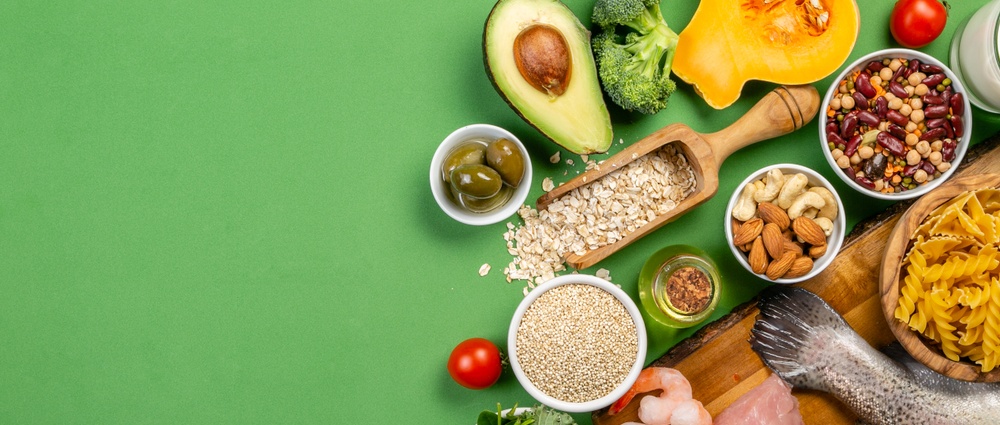
Simple ways to follow a Mediterranean diet
A Mediterranean diet conjures up an image of fresh fish and colourful salads doused in olive oil, washed down with a glass of red wine - all while sitting in the sun of course. While we may not have reliable sunshine in the UK, we can certainly tap into the wide-ranging health benefits offered by the Mediterranean diet.
by Lynn Stephen
Diet and nutrition
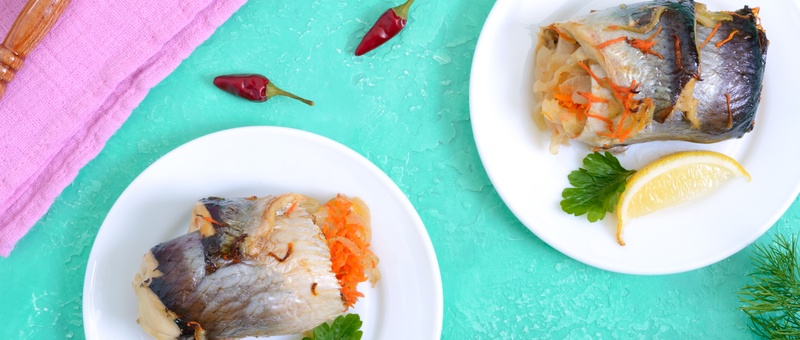
What is the Nordic diet?
The Nordic diet originates from the traditional eating habits of regions in northern Europe and the North Atlantic. These colder countries share a dietary approach of locally grown plant-based foods and responsibly sourced game meats. It’s sometimes called the Scandinavian diet, but whichever name you know it by, let's take a look at what it involves, along with its potential health benefits.
by Victoria Raw
Frequently asked questions
Can I adapt my usual diet, or do I need a completely new eating plan when taking Wegovy?
You don't need a completely new or specific diet while on Wegovy. The focus is on making adjustments to your current eating habits. Prioritising balanced meals with adequate protein, fibre, and healthy fats is key to supporting your treatment goals and ensuring you get enough nutrients. The aim is to work with your body's signals and how different foods make you feel, rather than following strict rules.
How can I ensure I'm getting enough nutrients if my appetite is reduced on Wegovy?
When your appetite is reduced by Wegovy, it's particularly important to focus on nutrient-dense foods. Prioritise protein first, aiming for about 1.0–1.6 grams per kilogram of body weight per day, to preserve muscle mass. Including carbohydrates, fibre, and healthy fats in your meals will help ensure you meet your nutritional needs, provide energy, aid digestion, and support overall health. If you find it difficult to eat full meals, consider smaller, more frequent meals and easy options like soups, yoghurts, eggs, or smoothies.
What are some signs that I might not be eating enough calories or nutrients while taking Wegovy?
Not eating enough on Wegovy can lead to several physical and mental symptoms. In the short term, you might experience tiredness, dizziness, headaches, weakness, constipation, nausea, poor concentration, dehydration, or low mood/irritability. Over time, persistently low intake can lead to a struggle to meet your protein and nutrient needs, increasing the risk of muscle loss. If you notice these signs, it's important to increase your overall nourishment.
Should I be concerned about long-term use of Wegovy affecting my eating habits or relationship with food?
Wegovy can be a helpful tool for reducing appetite and quieting 'food noise', which can make managing food feel easier. However, it's important to use this opportunity to build sustainable eating habits that support you in the long term. The goal is to move towards a way of eating that feels nourishing and enjoyable, maintaining a healthy relationship with food beyond just weight loss. Paying attention to how different foods make you feel can help create these lasting habits.
Is there a 'best time' to eat meals during the day when taking Wegovy to minimise side effects or maximise effectiveness?
The article doesn't specify a 'best time' to eat meals when taking Wegovy. However, it does suggest that if eating feels difficult, it can help to avoid long gaps without food and to have smaller meals more often. This approach might help manage appetite and potential digestive discomfort throughout the day. Listening to your body's signals and noticing how different foods feel at various times will be helpful feedback.
About the authorView full bio

Bogomila Tosheva
Wellbeing Coaching Lead
Registered Nutritionist (RNutr) and Nutrition Counsellor
Bogomila (Mila) is the Wellbeing Coaching Lead at Genwell.
About the reviewerView full bio

Dr Colin Tidy, MRCGP
General Practitioner, Medical Author
MBBS, MRCGP, MRCP (Paediatrics), DCH
Dr Colin Tidy is an NHS Doctor, based in Oxfordshire.
Article history
The information on this page is peer reviewed by qualified clinicians.
Article also available in English, German, Spanish, French, Italian, Portuguese, Hindi, Hebrew, Arabic, and Swedish.
Next review due: 5 May 2029
5 May 2026 | Originally published
Authored by:
Bogomila ToshevaPeer reviewed by
Dr Colin Tidy, MRCGP
Join the conversation
Share your thoughts or experiences with others in our patient communities.

Ask, share, connect.
Browse discussions, ask questions, and share experiences across hundreds of health topics.

Feeling unwell?
Assess your symptoms online for free
Sign up to the Patient newsletter
Your weekly dose of clear, trustworthy health advice - written to help you feel informed, confident and in control.
By subscribing you accept our Privacy Policy. You can unsubscribe at any time. We never sell your data.
More in diet and nutrition
- Health benefits of garlic
- Healthy packed lunch ideas for school
- Honey may be the natural buzz you need to fuel your workouts
- How can crash diets affect your metabolic flexibility?
- How gut bacteria affect mood, focus and brain health
- How to avoid snacking when you are bored
- How to have a healthier barbecue
- Is intermittent fasting healthy?
- Is there a link between diet and acne?
- Mounjaro diet: Foods to eat and avoid
- The health benefits of coffee and tea
- The latest superfood - what's the fuss around microgreens?
- The truth about the fat in your diet
- Two soft drinks a day may increase risk of early death
- What is snackification, and why is it taking over our kitchens?
- What is the BRAT diet and why is it unsafe?
- What is the Ornish diet and can it transform your health?
- What is the Volumetrics diet, and should you try it?
- What's the link between anxiety and gut health?