Can changing your diet improve PMS?
Peer reviewed by Dr Krishna Vakharia, MRCGPLast updated by Victoria RawLast updated 6 Mar 2025
Meets Patient’s editorial guidelines
- DownloadDownload
- Share
- Language
- Discussion
- Audio Version
- Add to preferred sources on Google
Symptoms of PMS are common but they range in severity and affect people differently. They can even impact your day-to-day life. Hormones are the cause of PMS, but could certain foods help improve symptoms such as low mood, headaches and bloating?
Lifestyle and diet might help you manage PMS symptoms, but it is unrealistic to expect these changes to get rid of your symptoms completely.
Dr Karen Morton, Founder and Medical Director, Dr Karen's Women's Health Service Ltd, suggests first getting to the root of your menstrual health issues.
"The hormones oestrogen and progesterone can be blamed for most symptoms," she explains. "Oestrogen dominates in the first half of your menstrual cycle and progesterone in the second. It's the progesterone which causes gut bloating and bowel changes, together with a bit of fluid retention and spottiness."
For many patients who experience troublesome PMS symptoms, she recommends using the combined oral contraceptive pill back to back to eradicate your period altogether. Having a Mirena coil or similar Intrauterine system (IUS) fitted may have the same effect, although irregular bleeding can be an issue, especially in the early months.
These treatments won't be suitable for everyone. It's important to speak with your doctor and find the right option for you.
How your lifestyle can help
Morton admits that maintaining a healthy lifestyle and keeping active can help with premenstrual symptoms.
"Of course exercise and diet are the key to every aspect of our health, and this applies to PMS as well," she says. "Boosting exercise at that time of the month will boost endorphins, which are your body's own morphine, and also other brain agents which enhance mood.
"Being kind to yourself and practising mindfulness are also strongly recommended. Talking to friends and loved ones about how you are feeling rather than bottling it up ready for an explosion is a good idea."
Morton's advice to those struggling with PMS symptoms such as low mood, bloating and headaches?
"Unfortunately there are no really proven non-hormonal treatments for these issues, but women find various diets may be helpful. Experiment with supplements - but don't spend a fortune."
Keep an eye on your blood sugar
Nutritional therapist Jackie Lynch, WellWellWell Nutritional Therapy believes maintaining healthy blood sugar levels is crucial for managing PMS symptoms.
"When your blood sugar drops, you feel tired, irritable, shaky, headachy - all of which can be PMS symptoms," she explains. "Every time your blood sugar drops, you're going to be more prone to sugar cravings because stress hormones are released and they will encourage your body to release sugar stores from your liver. This generates a big craving via your brain for sugar to redress the balance."
The stress hormones released can have a big impact on your cycle, she continues.
"Cortisol is the one that generates cravings. But if you're constantly releasing adrenaline, because your blood sugar drops or because you're under long-term stress generally, then that's going to prevent your body from being able to use progesterone properly in the second half of your cycle."
Lynch says: "To keep blood sugar levels stable, make sure to eat meals containing complex carbohydrates and protein as they will keep your energy up.
"Protein is hard to digest so it slows down the release of that complex carbohydrate in the body, keeping you going for longer. Wholegrain foods such as wholemeal bread, brown rice, oats or vegetables are brilliant sources of complex carbohydrates."
Consider magnesium
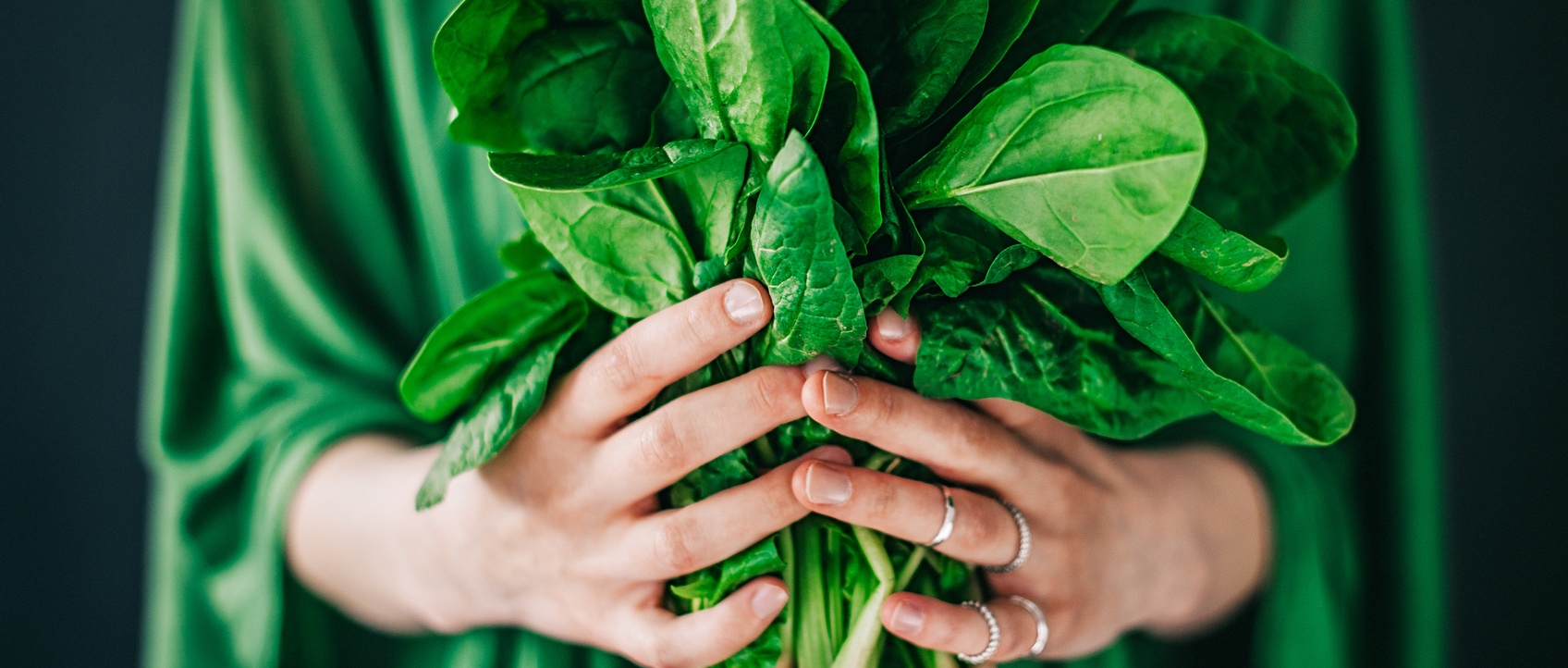
Lynch recommends foods containing magnesium for those experiencing PMS because of its all-round benefits. Dietary sources of magnesium include dark green leafy vegetables such as spinach, broccoli and wholegrain foods.
She says: "It can really help when you're feeling jittery and anxious because one of the things that it does is calm your nervous system and help regulate your body's response to stress, keeping you feeling on top of things."
Magnesium also regulates muscle function.
"That's not just the obvious muscles that you might think of but, for example, the muscle in your gut," she explains. "Magnesium stimulates peristalsis. Peristalsis is the contraction and relaxation of the gut as it pushes food through. Quite often before your period, you might find yourself a bit constipated and bloated. Magnesium makes sure you're more regular."
Magnesium can also help ease the pain of PMS-related headaches.
"It helps to relax your blood vessels as well and if you're low in magnesium, that can often cause them to go into spasm," says Lynch. "It's one of the main causes of menstrual headaches."
B vitamins are important
B vitamins could be especially useful in improving low mood caused by PMS.
"Low levels of B vitamins - in particular B6 - have a strong association with anxiety and depression, whether it's PMS-related or not," explains Lynch.
Most foods contain a small amount of B vitamins so a broad diet of quality sources of protein through meat, fish or eggs, as well as plant proteins and plenty of vegetables, is recommended to get a good intake.
Levels of B vitamins can be depleted by a few things, including alcohol and stress, so it's good to monitor both throughout the month.
When to see a doctor
If your PMS is causing you to feel suicidal or attempt self-harm, it is critical that you speak with a health professional immediately. This could be a symptom of premenstrual dysphoric disorder (PMDD) or part of a wider mental health issue.
Persistent low mood, depression, anxiety, feelings of helplessness, low self-esteem and trouble sleeping are also cause for a visit to your doctor. It's important to make them aware if these symptoms only occur or worsen during certain phases of your menstrual cycle.
If your symptoms of PMS are unmanageable, don't improve with lifestyle changes or are affecting your day-to-day life, it's time to seek medical help.
Patient picks for Periods and period problems
Women's health
Can menstrual cups help fight period poverty?
Period poverty arose as people struggle to access period products due to financial constraints, and it affects the daily lives of millions of menstruators around the world. 1 in 10 people who menstruate across the country can't afford to buy menstrual products.
by Emily Jane Bashforth

Women's health
Is it normal to experience ovulation pain?
We're all familiar with period pain. But what about pain that occurs mid-cycle? If you've ever noticed a pain on one side of your lower abdomen, roughly two weeks before your period, you might be experiencing ovulation pain. We asked the experts what it is, and if it's a cause for concern.
by Sarah Graham
About the authorView full bio

Milly Evans
Editor
Milly writes on a range of health topics, with a particular interest in health inequality and sexual health.
About the reviewerView full bio

Dr Krishna Vakharia, MRCGP
Chief Medical Officer for Health, Optum UK
MBChB, MRCGP(2013), BMedSci (hons), DFSRH, DRCOG, PGDipDerm (Distn)
Dr Krishna Vakharia is an NHS GP. She is also a regular examiner for the postgraduate Diploma in Practical Dermatology at Cardiff University as well as being the Chief Medical Officer for health at Optum UK.
Article history
Article also available in English, German, Spanish, French, Italian, Portuguese, Hindi, Hebrew, Arabic, and Swedish.
Next review due: 7 Mar 2028
6 Mar 2025 | Latest version
19 Jun 2019 | Originally published
Authored by:
Milly Evans
Join the conversation
Share your thoughts or experiences with others in our patient communities.

Ask, share, connect.
Browse discussions, ask questions, and share experiences across hundreds of health topics.

Feeling unwell?
Assess your symptoms online for free
Sign up to the Patient newsletter
Your weekly dose of clear, trustworthy health advice - written to help you feel informed, confident and in control.
By subscribing you accept our Privacy Policy. You can unsubscribe at any time. We never sell your data.
More in women's health
- Anatomy of the breast
- Easy ways to get the pill: options beyond the GP surgery
- How long do the symptoms of menopause last?
- How menopause can affect women at work
- How to have a more eco-friendly period
- How to manage your period in school
- How to support someone during the menopause
- HRT: fact-checking risks and benefits
- Menopause videos
- Real stories: How to manage endometriosis and your career
- Spotting the signs of fibroids
- Tampon tests - the latest way to check your vaginal health
- The 'second puberty': why you might be breaking out in your thirties
- Understanding vaginal cysts
- What HRT did for me
- What is post-birth control syndrome?
- What's the link between hair relaxers and fibroids?
- What's the link between menopause and cholesterol?
- Why getting outdoors can support you through menopause
- Women's health in sport: injuries, menstruation, and motherhood