¿Se puede reducir el colesterol solo con la dieta?
Revisado por Dra. Sarah JarvisEscrito por Milly EvansPublicado originalmente 18 Dec 2019
Cumple con las directrices editoriales
- DescargarDescargar
- Compartir
- Language
- Discusión
- Versión en audio
- Agregar a fuentes preferidas en Google
By now, the health risks of high cholesterol are well documented. But do you need to change every aspect of your lifestyle to protect yourself against heart disease and stroke or can diet alone tame your cholesterol levels?
Explore cholesterol management options
Reciba asesoramiento sanitario experto desde la comodidad de su hogar. Complete una consulta rápida en línea, disponible las 24 horas del día, los 7 días de la semana, y un profesional sanitario colegiado en el Reino Unido revisará su solicitud. Hay entrega al día siguiente disponible para los tratamientos que cumplan los requisitos.

You are what you eat - and what you drink, how much ejercicio you do and your genetics.
"Colesterol levels are affected by a number of factors, some you can't do anything about - for example, family history, age, ethnicity and gender - and some you can," says Lynne Garton, Dietetic Advisor for HEART UK. "An unhealthy diet high in grasas saturadas, being overweight, drinking too much alcohol and not being physically active can all contribute to raised 'bad' cholesterol."
What is 'bad' cholesterol?
Whilst cholesterol is seen as the enemy of a healthy diet, we actually need the fatty substance to stay healthy. "It's needed to make cell membranes, various hormones, certain vitamins and bile salts which are important for the digestion of fat," explains Garton.
The problem comes when there are high levels of cholesterol in the blood, increasing the risk of enfermedades del corazón, accidente cerebrovascular y demencia vascular. The risk increases the longer the higher cholesterol is left untreated.
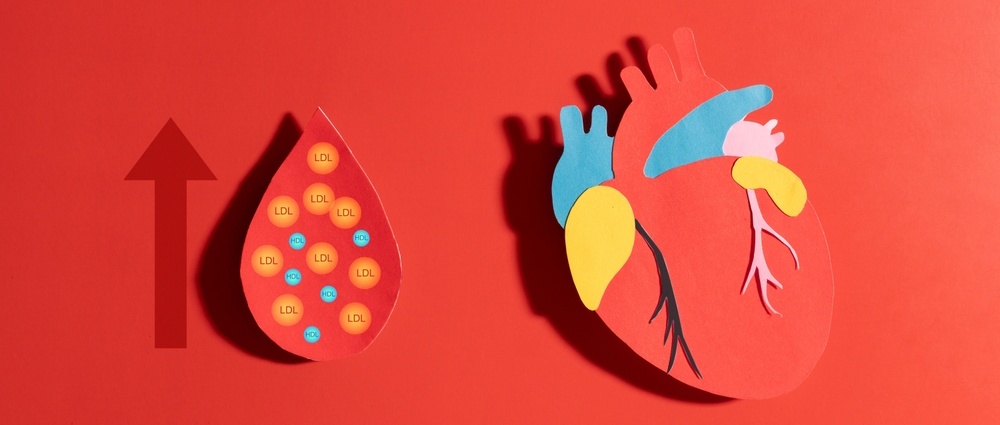
There are actually two main types of cholesterol involved: low-density lipoprotein (LDL) and high-density lipoprotein (HDL).
"LDL is the main carrier of cholesterol in the blood and is often called 'bad' cholesterol because too much LDL cholesterol can build up in your arteries and cause narrowing," says Garton. "HDL is often called 'good' as it picks up excess cholesterol from the arteries and takes it back to the liver where it can be removed from the circulation. As well as LDL cholesterol, other non-HDL cholesterol is considered 'bad' as it can also contribute to fatty build-up in the arteries.
"The ideal situation is to have low non-HDL cholesterol. It's also important that your HDL cholesterol does not drop too low."
¿Se puede reducir el colesterol solo con la dieta?
A combination of diet and lifestyle changes are key to reducing cholesterol. For some, dietary changes alone can have a big impact.
"The degree to which cholesterol is lowered depends on a number of factors such as the quality of the baseline diet, the number and magnitude of dietary changes made and how long these changes are maintained," says Garton. "For some people this might be enough, but for others extra help from medication might be needed."
For those with very high cholesterol, older people and people with diabetes or high blood pressure, statins and other cholesterol-lowering medications are available to complement lifestyle and dietary changes. Your doctor can discuss with you whether these will be appropriate.
Changes to your diet
To see significant changes in cholesterol levels, it's important to take a whole-diet approach.
"It's about eating more of certain foods and less of others," says Garton. "Dietary advice has shifted away from focusing on nutrients and individual foods to lower cholesterol and instead promotes an overall healthy dietary pattern."
One of the more recent diets proven to lower cholesterol is the Ultimate Cholesterol Lowering Plan (UCLP) from HEART UK. The plan is based on eating a balanced heart-healthy diet and adding in foods which actively lower cholesterol.
Small swaps and careful additions can transform your diet. Gradually changing what you eat rather than reforming it overnight makes it more likely that you'll stick to it long-term.
To achieve a saludable y equilibrada Garton suggests:
Cutting down on foods high in saturated fat and replacing these with foods rich in healthy unsaturated fats, including vegetable and nut oils (excluding palm and coconut oils), spreads made from vegetable oils, oily fish, avocado, nuts and seeds.
Eating plenty of plant-based foods such as fruit, vegetables, pulses, wholegrains, nuts and seeds.
Including two portions of fish a week, one of which should be oily (mackerel, sardines, salmon etc).
The UCLP recommends that once you've created your balanced base diet, you add foods from each of four key groups with additional cholesterol-lowering effects.
Plant stanols and sterols
"Sterols and stanols are plant compounds which have a similar size and shape to cholesterol. They work by blocking the absorption of cholesterol in the gut, so reducing the amount of cholesterol getting into the bloodstream," explains Garton.
Tiny amounts of sterols and stanols can be found in a range of plant-based foods but eating fortified foods like milk, yoghurt drinks and spreads can help you to eat enough.
"Eating 1.5 to 2.4 g of plant sterol or stanols daily can reduce blood cholesterol by between 7 and 10% over the course of two to three weeks," says Garton. It's important to note that they need to be eaten on a regular basis and as part of a meal because they only work by mixing with the food you have eaten.
Oats and barley
Whole grains are key to a balanced diet. But oats and barley are particularly effective in the fight against high cholesterol.
"These whole grains contain a particular type of fibre called beta-glucan which has been shown to lower cholesterol," explains Barton.
"Beta glucan works by forming a gel which binds to cholesterol and bile (which is made from cholesterol) in the intestines. This helps limit the amount of cholesterol that is absorbed from the gut into your blood. Your liver has to take more cholesterol out of your blood to make more bile, which also lowers your blood cholesterol."
Eating 3 g of beta-glucan a day over three to twelve weeks can reduce LDL-cholesterol by around 7%. To achieve this, Barton suggests:
Eating a bowl of porridge oats.
Opting for bread made with some oat flour.
Sprinkling oat bran in soup.
Including pearl barley in casseroles.
Choosing oat cakes as a snack.
Nueces
It only takes a handful of nuts a day (approximately 28-30 g) to reduce LDL cholesterol by around 7%, according to Barton. And that's not the only benefit of eating nuts.
"As well as a cholesterol-lowering effect, eating this amount of nuts a day has been associated with a significant reduction in heart disease and improved vascular function," she says. "They are rich in unsaturated fat, fibre, plant proteins, vitamin E, natural plant sterols, and minerals like magnesium and potassium."
And the good thing is that all nuts count, so if you have a particular favourite, go for it!
"Choose unsalted nuts and if possible, opt for nuts with their skins still intact and unroasted (rather than roasted) varieties as these contain additional nutrients," suggests Barton.
Soya foods
Eating 25 g of soya protein every day also helps to lower cholesterol. Soya protein can be found in products like tofu, soya mince, edamame beans, soya nuts and soya alternatives to dairy.
"Many soya foods are naturally low in saturated fat," explains Barton. "Using these foods to replace foods high in saturated fat, as part of a heart-healthy diet, can help to manage cholesterol. Soya protein may also help to influence the way the body regulates cholesterol."
Explore cholesterol management options
Reciba asesoramiento sanitario experto desde la comodidad de su hogar. Complete una consulta rápida en línea, disponible las 24 horas del día, los 7 días de la semana, y un profesional sanitario colegiado en el Reino Unido revisará su solicitud. Hay entrega al día siguiente disponible para los tratamientos que cumplan los requisitos.
Selecciones del paciente para Colesterol alto
Salud del corazón y vasos sanguíneos
Comprendiendo tus niveles de colesterol
Entonces, te han revisado el colesterol, pero ¿qué significan realmente esos números? ¿Y qué debes hacer ahora? Echamos un vistazo a los hechos y cifras.
por Lynn Stephen

Salud del corazón y vasos sanguíneos
¿Nos han dado los chefs de televisión colesterol alto?
Nos encantan nuestros programas de cocina en la televisión, pero ¿están todas esas recetas indulgentes influyendo en una alimentación poco saludable y aumentando nuestros niveles de colesterol?
por Danny Chadburn
Sobre el autorVer biografía completa
Escrito por

Milly Evans
Editor
Milly escribe sobre una variedad de temas de salud, con un interés particular en la desigualdad en salud y la salud sexual.
Acerca del revisorVer biografía completa

Dra. Sarah Jarvis
Consultora Clínica
MA (Cantab), BM, BCh (Oxon), DRCOG, FRCGP, MBE
Después de formarse en medicina en Cambridge y Oxford, la Dra. Sarah Jarvis MBE se convirtió en médica general.
Historial del artículo
Artículo también disponible en Inglés, Alemán, Español, Francés, Italiano, Portugués, Hindi, Hebreo, Árabe, y Sueco.
18 Dec 2019 | Publicado originalmente
Escrito por:
Milly EvansRevisado por
Dra. Sarah Jarvis
Únete a la conversación
Comparte tus pensamientos o experiencias con otros en nuestro comunidades de pacientes.

Pregunta, comparte, conecta.
Navega por discusiones, haz preguntas y comparte experiencias en cientos de temas de salud.

¿Te sientes mal?
Evalúa tus síntomas en línea de forma gratuita
Suscríbete al boletín de Patient
Tu dosis semanal de consejos de salud claros y confiables, escritos para ayudarte a sentirte informado, seguro y en control.
Al suscribirte aceptas nuestros Política de Privacidad. Puedes darte de baja en cualquier momento. Nunca vendemos tus datos.