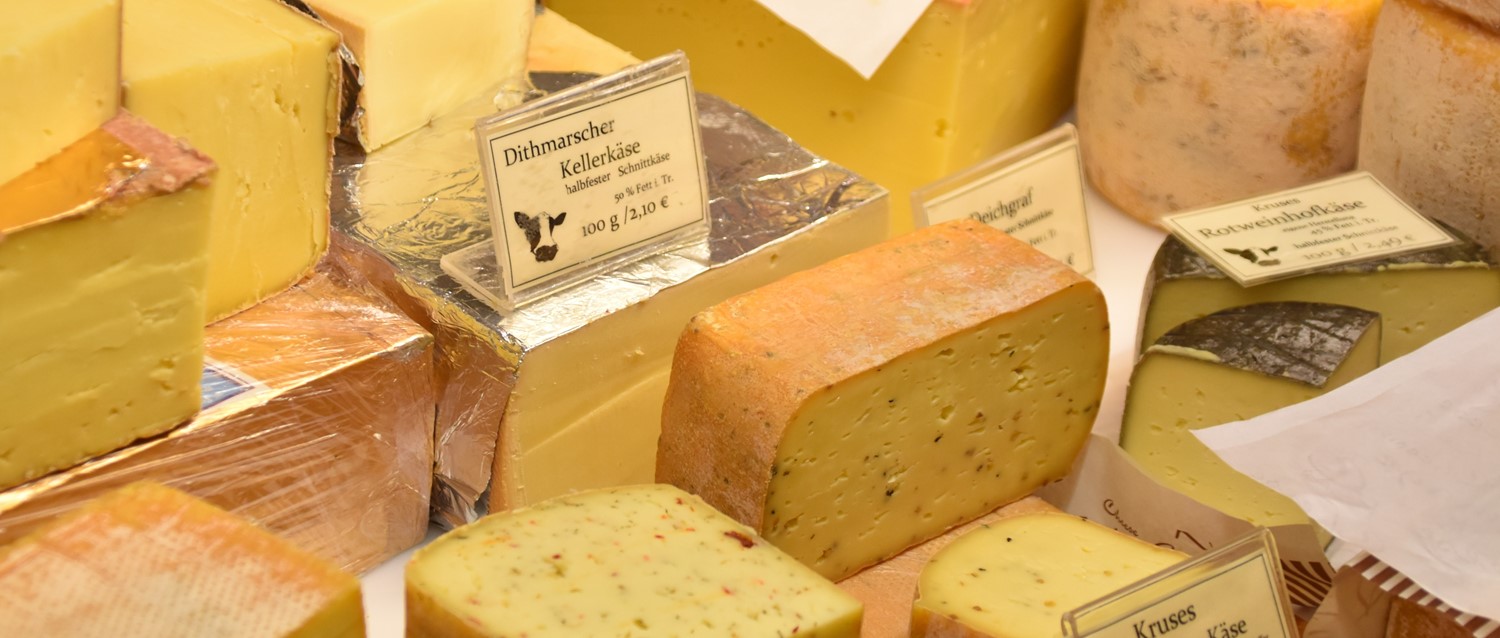
El queso podría proteger los vasos sanguíneos del daño causado por una dieta alta en sal
Revisado por Natalie HealeyEscrito por Ashwin BhandariPublicado originalmente 19 Sept 2019
Cumple con las directrices editoriales
- DescargarDescargar
- Compartir
- Language
- Discusión
- Ask Patient
- Versión en audio
- Agregar a fuentes preferidas en Google
Investigadores estadounidenses encontraron que el queso puede ayudar a proteger los vasos sanguíneos contra el daño causado por el sodio, según nuevos hallazgos.
Selecciones de videos para Vasos sanguíneosBiblioteca de videos
Cheese lovers have reason to get excited, as antioxidants naturally found in dairy may help protect blood vessels from damage caused by high levels of salt in the diet.
Scientists from Pennsylvania State University found that when adults consumed a high-sodium diet, they experienced blood vessel dysfunction. But, when the same people consumed four servings of cheese a day alongside the same high-sodium diet, they did not experience this effect.
Eleven adults with no history of sodium-related blood problems were gathered together. Each participant stuck to four different diets for eight days at a time: a low-sodium, no-dairy diet; a low-sodium, high-cheese diet; a high-sodium, no-dairy diet; and a high-sodium, high-cheese diet.
During low-sodium diets, participants were consuming 1,500 mg of salt per day, while high-sodium diets constituted 5,500 mg of salt per day. After each week-long diet, participants visited the researchers for blood vessel function testing, blood pressure monitoring, and urine sample collections.
To measure blood vessel function, researchers used a drug called acetylcholine that signals for blood vessels to relax. Healthy blood vessels should have no problem responding to the drug and relaxing, while vessels damaged by excess sodium would have a harder time relaxing.
The researchers found that after a week on the high-sodium, no-cheese diet, the participants' blood vessels did not respond as well to the acetylcholine - which is specific to specialised cells in the blood vessel - and had a more difficult time relaxing. However, this was not seen after the high-sodium, high-cheese diet.
Billie Alba, who led the study while finishing her doctoral degree at Penn State, said the findings may help people minimise the risks that come with eating too much salt.
"While there's a big push to reduce dietary sodium, for a lot of people it's difficult," Alba said. "Possibly being able to incorporate more dairy products, like cheese, could be an alternative strategy to reduce cardiovascular risk and improve vessel health without necessarily reducing total sodium."
Alba said that whilst the researchers cannot be sure that the effects are caused by any one specific nutrient in cheese, the data suggest that antioxidants in cheese may be a contributing factor.
"While the participants were on the high-sodium diet without any cheese, we saw their blood vessel function dip to what you would typically see in someone with pretty advanced cardiovascular risk factors," says fellow researcher and kinesiology professor Lacy Alexander. "But when they consumed the same amount of salt and ate cheese as a source of that salt, those effects were completely avoided."
Alba said that more research needs to be done to show these effects in larger studies, as well as possible mechanisms by which dairy foods may preserve vascular health. It's also worth pointing out that this research was funded by the National Dairy Council.
El Fundación Británica del Corazón recommends that whilst dairy is a good source of calcium, switching to low-fat cheese and moderating the amount that you consume can reduce the risk of high cholesterol.
"Saturated fats can raise the amount of cholesterol in your blood, especially the harmful LDL cholesterol which increases the risk of fatty deposits developing in your arteries."
Selecciones del paciente para Vasos sanguíneos
Salud del corazón y vasos sanguíneos
¿Qué es la Insuficiencia Venosa Crónica?
El presidente de EE.UU., Donald Trump, ha sido diagnosticado con insuficiencia venosa crónica (IVC). Analizamos cómo la IVC afecta la salud de tu corazón, qué la causa y los signos a los que debes estar atento.
por Lawrence Higgins

Salud del corazón y vasos sanguíneos
Cómo prevenir las várices
Varicose veins will affect nearly one third of us at some point in our lives. For those who do develop these visible and protruding leg veins, another third will experience symptoms of depression. Unfortunately, we can't prevent varicose veins from developing, but by following five healthy lifestyle habits we can slow down their progression and minimise discomfort.
por Victoria Raw
Sobre el autorVer biografía completa
Escrito por

Ashwin Bhandari
Redactor Médico
Licenciatura en Periodismo
Acerca del revisorVer biografía completa

Natalie Healey
Periodista freelance
Licenciatura (Hons) en Ciencias Biomédicas
Es una periodista de salud con sede en Londres que ha estado escribiendo sobre ciencia y medicina durante varios años. Es la exjefa de redacción en Patient.
Historial del artículo
Artículo también disponible en Inglés, Alemán, Español, Francés, Italiano, Portugués, Hindi, Hebreo, Árabe, y Sueco.
19 Sept 2019 | Publicado originalmente
Escrito por:
Ashwin BhandariRevisado por
Natalie Healey
Comparte tus pensamientos o experiencias con otros en nuestro comunidades de pacientes.
Suscríbete al boletín de Patient
Tu dosis semanal de consejos de salud claros y confiables, escritos para ayudarte a sentirte informado, seguro y en control.
Al suscribirte aceptas nuestros Política de Privacidad. Puedes darte de baja en cualquier momento. Nunca vendemos tus datos.