Comprendiendo tus niveles de colesterol
Revisado por Dr Colin Tidy, MRCGPÚltima actualización por Lynn StephenÚltima actualización 21 Dic 2025
Cumple con las directrices editoriales
- DescargarDescargar
- Compartir
- Language
- Discusión
- Versión en audio
- Agregar a fuentes preferidas en Google
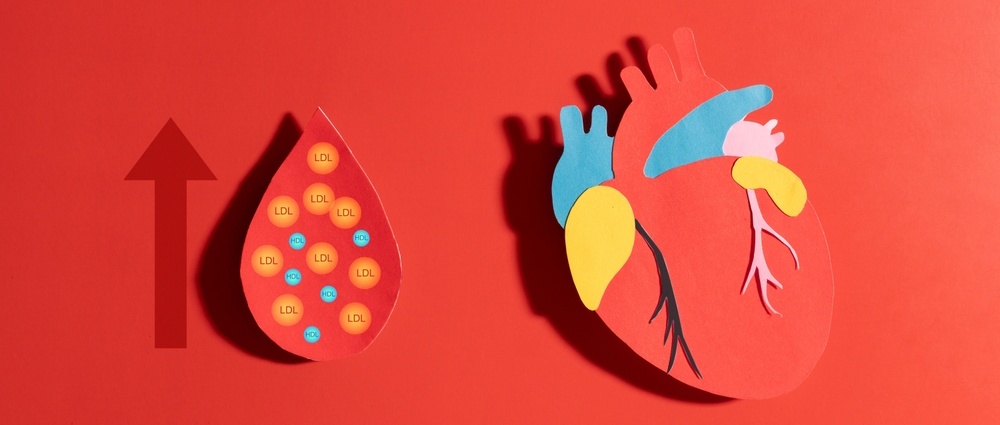
Entonces, te han revisado el colesterol, pero ¿qué significan realmente esos números? ¿Y qué debes hacer ahora? Echamos un vistazo a los hechos y cifras.
Explore cholesterol management options
Reciba asesoramiento sanitario experto desde la comodidad de su hogar. Complete una consulta rápida en línea, disponible las 24 horas del día, los 7 días de la semana, y un profesional sanitario colegiado en el Reino Unido revisará su solicitud. Hay entrega al día siguiente disponible para los tratamientos que cumplan los requisitos.

¿Necesito una prueba de colesterol?
En el Reino Unido, obtendrás una prueba de colesterol gratuita del NHS si se aplica alguna de las siguientes condiciones, ya que hacen colesterol alto más probable:
Tienes más de 40 años.
Tienes enfermedad coronaria o diabetes.
Ha tenido previamente un derrame cerebral o un mini derrame.
Tienes antecedentes familiares de enfermedad cardiovascular o una afección relacionada con el colesterol.
Tomas medicamentos para reducir el colesterol.
Aunque no tengas un servicio gratuito en países como los EE. UU., las pruebas no son caras, y aún se recomienda que comiences a revisar tu colesterol desde temprano en la vida. Según los Centros para el Control y la Prevención de Enfermedades (CDC), la mayoría de los adultos sanos deberían revisar su colesterol cada 4 a 6 años.
¿Qué significan los números?
Los niveles de colesterol se miden en milimoles por litro (mmol/L) en el Reino Unido. El gobierno recomienda que la población general apunte a menos de 5 mmol/L de niveles de colesterol total (CT), pero hasta tres de cada cinco adultos en el Reino Unido tienen niveles de 5 mmol/L o más.
Su médico le explicará sus lecturas de colesterol y lo que significan en términos de su salud futura, principalmente si tiene una alta, moderada o baja probabilidad de desarrollar enfermedad cardiovascular (CVD) dentro de los próximos 10 años.
Después de la prueba, es posible que solo te den la cifra de TC, pero podrías pedirle a tu consultorio médico los resultados completos y anotarlos para compararlos con futuros chequeos.
Aquí tienes una guía rápida para entender tus niveles de colesterol.
Colesterol total (CT)
La cantidad total de colesterol en tu sangre
¿Qué es saludable? El consejo del gobierno se ha alejado de dar cifras absolutas, pero idealmente tu colesterol debería ser de 5 mmol/L o menos. Esto se convierte en 4 mmol/L o menos si tus posibilidades de desarrollar enfermedades cardiovasculares son mayores, o si tienes presión arterial alta, diabetes o has tenido un problema cardíaco relacionado con el colesterol anteriormente.
¿Qué debo hacer? Si tu nivel de colesterol es demasiado alto, puedes ayudar a reducirlo haciendo algunos cambios en la dieta y el estilo de vida.
Estas incluyen:
Ser más activo.
Reducir el consumo de alimentos ricos en grasas saturadas, como la mantequilla, la manteca y los productos lácteos enteros.
Cambiar carnes grasas por carnes magras, como el pollo.
Consumir más alimentos con grasas saludables, como aceite de oliva, nueces, semillas y pescado graso.
Tener días sin carne - prueba Quorn® o productos de soya en su lugar.
Consumir más frutas, verduras y cereales integrales, especialmente avena y cebada.
Incluir más alimentos fortificados con esteroles o estanoles vegetales en tu dieta.
Su médico o enfermera le dirá cuándo necesita hacerse la prueba nuevamente.
Colesterol HDL (HDL-C)
El colesterol bueno
¿Qué es saludable? Idealmente, esto debería ser superior a 1.2 mmol/L para mujeres y 1 mmol/L para hombres. En general, cuanto más alto sea tu nivel de HDL, más estarás protegido contra las enfermedades del corazón.
¿Qué debo hacer? Si tus niveles de HDL-C son saludables y tu riesgo de ECV es bajo, deberías hacerte una prueba de colesterol cada cinco años.
Para mantener niveles saludables de HDL-C, asegúrate de:
Mantente activo.
No fumes o, si fumas, detente.
Intenta perder cualquier exceso de grasa abdominal.
Sigue una dieta saludable - consulta los consejos arriba.
Consulte a su médico para obtener más consejos.
A veces es posible obtener una lectura falsa, por lo que si hay algo inusual en los resultados de su prueba, su médico puede pedir que se repita la prueba. Si su nivel de HDL-C es alto, esto también puede hacer que su nivel de TC parezca alto, por lo que su médico generalmente verifica todos los componentes de su análisis de sangre: niveles de TC, HDL-C y LDL-C.
Colesterol LDL (LDL-C)
El colesterol malo
¿Qué es saludable? Idealmente debería ser 3 mmol/L o menos, o 2 mmol/L si estás en alto riesgo.
¿Qué debo hacer? Si su lectura de LDL-C está fuera de los niveles saludables, hable con su médico. Si está por encima de 4.9 mmol/L y tiene antecedentes familiares de enfermedad coronaria temprana (CHD), podría tener hipercolesterolemia familiar (HF), una forma de colesterol alto hereditario que requiere tratamiento y cambios en el estilo de vida.
Otros en su familia pueden tener la misma condición, por lo que es importante obtener un diagnóstico adecuado para que todos puedan recibir el tratamiento correcto. Si su nivel de LDL-C es alto por otras razones, cambiar su dieta y régimen de ejercicio podría ayudar a que su colesterol malo vuelva a estar bajo control.
Su médico también puede recetar estatinas, un grupo de medicamentos que ayudan a reducir el LDL-C en la sangre, especialmente si tienes HF u otros factores de riesgo como tu edad, diabetes, tabaquismo o presión arterial alta.
Colesterol no-HDL - esta es tu lectura de colesterol total, menos tu lectura de nivel de HDL-C. Así que, todos los colesteroles malos sumados, incluyendo tu colesterol LDL.
¿Qué es saludable? Idealmente, debería ser 4 mmol/L o menos.
¿Qué debo hacer? Se ha demostrado que esta lectura ayuda a calcular su probabilidad de ECV con más precisión que antes. Así que si la suya es alta, tiene una mayor probabilidad de desarrollar ECV.
Su médico puede recetarle una estatina, pero también le recomendará seguir consejos para un estilo de vida saludable (ver arriba), además de perder peso y dejar de fumar si es necesario. El ejercicio puede ser muy útil, ya que puede ayudar a aumentar los niveles de HDL-C, lo que compensa cualquier aumento en el colesterol no HDL.
Relación TC:HDL
Su cifra de colesterol total dividida por la cifra de HDL-C
¿Qué es saludable? Cuanto más bajo sea este número, mejor. Idealmente 4.5, mientras que por encima de 6 se considera de alto riesgo.
¿Qué debo hacer? Esta lectura ayudará a su médico a determinar si sus niveles generales de colesterol son saludables, lo que a su vez le ayudará a calcular su probabilidad de desarrollar enfermedades cardiovasculares (ECV), otra razón por la cual es importante tener resultados completos de colesterol, no solo el CT.
Podría ser alto si tus niveles de CT, LDL-C y colesterol no HDL son demasiado altos, o si tu HDL-C es demasiado bajo, o una combinación de ambos. Mantener una relación CT:HDL saludable a largo plazo puede ayudar a reducir la probabilidad de tener ECV en el futuro. Puedes lograrlo siguiendo el consejo anterior.
Triglicérido (TG)
Otro tipo de grasa que se encuentra en la sangre, principalmente de los alimentos que consumimos
¿Qué es saludable? Idealmente menos de 1.7 mmol/L en una muestra en ayunas, o menos de 2.3 mmol/L en una muestra no en ayunas.
¿Qué debo hacer? Los niveles altos de triglicéridos a menudo se observan junto con niveles bajos de HDL, una combinación poco saludable vinculada con enfermedades cardíacas tempranas. También puede causar una condición dolorosa llamada pancreatitis que necesita ser visto por un médico inmediatamente.
Las personas pueden tener niveles elevados por muchas razones, pero las más comunes están relacionadas con el estilo de vida:
Tener forma de manzana: llevar exceso de peso alrededor de la cintura.
Desarrollando o teniendo medicamento para la diabetes tipo 2.
Consumo excesivo de alcohol.
Puedes mantener bajos tus niveles de triglicéridos perdiendo peso, siendo más activo y comiendo de manera sensata, especialmente reduciendo el consumo de alcohol, alimentos azucarados y grasas saturadas, y comiendo más frutas, verduras, legumbres y cereales integrales.
¿Qué sucede ahora?
No hay un nivel específico de colesterol en el que tendrás o no un ataque al corazón, pero ayudan a formar parte de un panorama más amplio. Tu médico utiliza estos números junto con otros factores de riesgo, como tu historial familiar, peso, edad, sexo y etnia, además de si fumas o tienes presión arterial alta, para calcular tu probabilidad de ECV.
Una vez que se haya evaluado su riesgo, su médico le sugerirá un número de opciones para ayudarte a mantener niveles saludables de colesterol y reducir tu susceptibilidad a desarrollar enfermedades cardiovasculares. Pero independientemente de tu nivel de colesterol, siempre vale la pena seguir un estilo de vida saludable para mantener tu colesterol bajo control.
¿Todavía tienes algunas preguntas? Habla con tu médico, o visita el Fundación Británica del Corazón y Heart UK, la organización benéfica del colesterol.
Explore cholesterol management options
Reciba asesoramiento sanitario experto desde la comodidad de su hogar. Complete una consulta rápida en línea, disponible las 24 horas del día, los 7 días de la semana, y un profesional sanitario colegiado en el Reino Unido revisará su solicitud. Hay entrega al día siguiente disponible para los tratamientos que cumplan los requisitos.
Selecciones del paciente para Colesterol alto

Salud del corazón y vasos sanguíneos
Cómo reducir tu colesterol
Los ataques cardíacos y los accidentes cerebrovasculares han disminuido un 30% en el Reino Unido en las últimas dos décadas. Sin embargo, siguen siendo un peligro importante para la salud. Los medicamentos efectivos para reducir el colesterol y la presión arterial han jugado un papel importante, pero también puedes aumentar tus probabilidades a favor con cambios en el estilo de vida. Mantener tu peso dentro del rango saludable puede reducir significativamente los niveles de colesterol malo (LDL) y aumentar el colesterol bueno (HDL), lo que protege tu corazón.
por Victoria Raw

Salud del corazón y vasos sanguíneos
Cómo comprar para una dieta baja en colesterol
Hacer la compra semanal cuando no estás seguro de qué poner en tu carrito puede ser complicado, especialmente cuando las marcas y las etiquetas de alimentos confusas pueden dificultar saber qué es saludable y qué no. Si tienes colesterol alto, esto puede ser un desafío particular. Pero puedes convertirte en detective y buscar las opciones saludables con nuestra guía para comprar alimentos para una dieta baja en colesterol.
por Amberley Davis
Sobre el autor
Actualizado por

Lynn Stephen
Desarrolladora de contenido
Maestría con Honores
Lynn se unió a Patient en 2023 y su función incluye revisar todos los folletos profesionales, folletos de información para pacientes y folletos de medicamentos, para asegurar la consistencia en la ortografía, gramática, material de referencia y estilo de la marca, trabajando con los autores médicos y el director clínico para coordinar la redacción y revisión por pares de los folletos.
Escrito por
Danny Chadburn
Jefe de Contenido
Danny fue el anterior Jefe de Contenido en Patient.
Acerca del revisorVer biografía completa

Dr Colin Tidy, MRCGP
Médico General, Autor Médico
MBBS, MRCGP, MRCP (Paediatrics), DCH
El Dr. Colin Tidy es un médico del NHS, con sede en Oxfordshire.
Historial del artículo
Artículo también disponible en Inglés, Alemán, Español, Francés, Italiano, Portugués, Hindi, Hebreo, Árabe, y Sueco.
Próxima revisión: 21 de diciembre de 2028
21 Dic 2025 | Última versión
27 Sept 2017 | Publicado originalmente
Escrito por:
Danny Chadburn
Únete a la conversación
Comparte tus pensamientos o experiencias con otros en nuestro comunidades de pacientes.

Pregunta, comparte, conecta.
Navega por discusiones, haz preguntas y comparte experiencias en cientos de temas de salud.

¿Te sientes mal?
Evalúa tus síntomas en línea de forma gratuita
Suscríbete al boletín de Patient
Tu dosis semanal de consejos de salud claros y confiables, escritos para ayudarte a sentirte informado, seguro y en control.
Al suscribirte aceptas nuestros Política de Privacidad. Puedes darte de baja en cualquier momento. Nunca vendemos tus datos.