¿Puede la levadura de arroz rojo reducir tu colesterol?
Revisado por pares por Dr Krishna Vakharia, MRCGPEscrito por Victoria RawPublicado originalmente 25 Jun 2024
Cumple con las directrices editoriales
- DescargarDescargar
- Compartir
- Language
- Discusión
- Versión en audio
- Agregar a fuentes preferidas en Google
El extracto de arroz de levadura roja se ha utilizado durante siglos en la medicina tradicional china. Con una lista de beneficios para el bienestar asociados a su nombre, recientemente ha ganado popularidad como suplemento dietético. Pero, ¿cuáles son las ventajas para la salud del arroz de levadura roja y existen efectos secundarios?
What is red yeast rice?
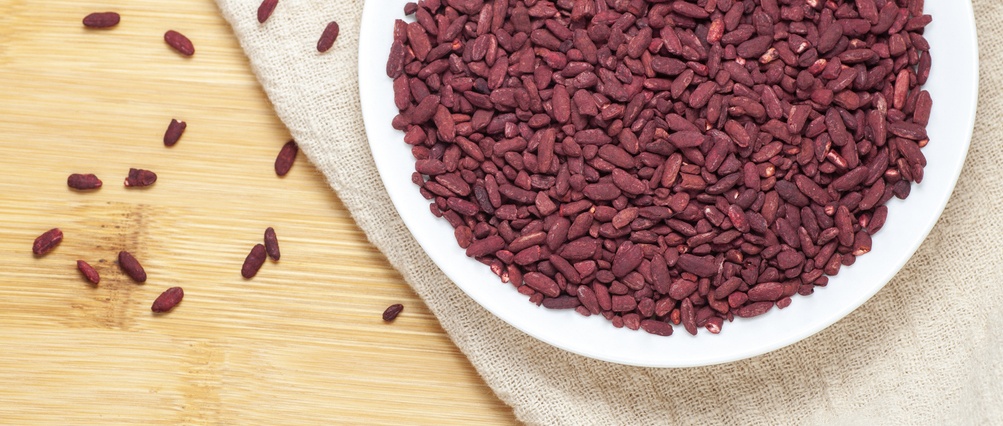
Despite its name, red yeast rice is not the kind of rice you can serve up with a curry or mix into a risotto. It's made with mould - not yeast - and sold as a supplement in pill or capsule form under the more appealing name of red yeast rice.
Red yeast rice is made by fermenting regular rice with a mould called Monascus purpureus, which gives it its distinctive reddish-purple colour. This mould infuses the rice with chemical substances called monacolins. One substance in particular - monacolin K - is almost identical in structural makeup to the cholesterol lowering medicine, lovastatin1.
Red yeast rice benefits
The prescription drug lovastatin is a statin that lowers the body's cholesterol production to stop it from building up inside your arteries. Blocked arteries are bad for your health and can prevent your blood from reaching the heart, brain and other important organs. This can increase your chances of having a heart attack or stroke.
Lovastatin belongs to a group of medicines that work similarly to lower your cholesterol levels. The most commonly prescribed statins in the UK are:
Atorvastatin.
Pravastatin.
Rosuvastatin.
Simvastatin.
Fitness and nutrition advisor Dr Chris Mohr, former Sports Nutritionist for the US football team Cincinnati Bengals and University of Massachusetts Athletic Program, says: "Taking red yeast rice as a supplement may help your heart. It could potentially lower your body's bad cholesterol levels (LDL) due to its naturally occurring 'statin' - monacolin K".
Research into the effects of red yeast rice on other conditions including heart health are inconclusive but are ongoing.
Síndrome Metabólico
Metabolic syndrome refers to a group of conditions that contribute to heart disease, stroke and type 2 diabetes. These include:
High levels of bad cholesterol.
Increased blood pressure.
High blood sugar.
Abdominal obesity - extra fat in your tummy area.
Because red yeast rice could help lower cholesterol, studies are exploring its potential to help moderate metabolic syndrome-related conditions such as high cholesterol, blood pressure and blood sugar2 - again, more research is needed to understand the effects.
Red yeast rice dosage
Mohr explains that the dosage of red yeast rice can vary depending on the specific product and the concentration of active compounds it has.
"Dosages used in studies have ranged from 600 to 1,200 milligrams taken twice a day," he says. "It’s important to talk to a healthcare provider before starting this or any new supplement because if the active ingredient - monacolin K - is too high, it's too similar to those in prescription statin medications."
There is no recommended dosage of red yeast rice supplements as the amount of monacolin K can vary in each product. This can vary widely between brands.
There is currently a lack of research on the safety of red yeast rice. Unlike statins, the monacolin K in red yeast rice does not have well-established safe dosage regulations3.
Many red yeast rice dietary supplements bought in health food stores or online shops have either little to no monacolin K - or contain it in high amounts. This means that - due to lack of regulation - there's no way for you to know how much monacolin K you're getting from these supplements - which could potentially be dangerous, especially if you are on other medication.
Before taking red yeast rice - or other - supplements, you should speak to your doctor.
Red yeast rice side effects
Though red yeast rice may be natural, research shows its side effects may be similar to statins.
Commonly reported side effects of red yeast rice supplements include:
Problemas digestivos such as tummy pain, heartburn, gas and bloating3.
Muscle pain and weakness, and in rare cases rhabdomyolysis. This is a condition where skeletal muscle tissue disintegrates and leaks into your bloodstream4.
Increased chances of liver damage at high doses or long-term use.
Red yeast rice is not recommended for people with kidney or liver disease as it may worsen their condition.
Does red yeast rice interfere with medicines?
Like statins, red yeast rice can interact with other medicines. So always seek medical advice before taking supplements containing red yeast rice if you are on any medication.
"Red yeast rice may interact with certain medicines - especially other cholesterol-lowering drugs like statins, since it can have a similar active ingredient," Mohr warns. "It's important to talk with a doctor before starting red yeast rice to avoid potential negative interactions - particularly concerning liver health or medications affecting liver enzymes."
As research into the safety of red yeast rice is still ongoing, you should not take it if you're pregnant or breastfeeding3.
Overall, studies show the effectiveness of red yeast rice products present a complex mix of benefits and side effects. It's not currently considered a safe alternative to cholesterol-lowering prescription medicines though.
Given the lack of regulation for red yeast rice, talk to your doctor to see whether it's really suitable for you. Prescription medications - with established research and safety regulations - may be more reliable.
Lectura adicional
Selecciones del paciente para Alimentación saludable

Dieta y nutrición
Comida saludable de Hanukkah para tu peso, corazón y diabetes
Millones de personas en todo el mundo pronto encenderán menorá, intercambiarán regalos y comerán muchos alimentos fritos deliciosos en celebración de Hanukkah. Desde latkes y puré de manzana hasta gelt y sufganiyot, puede ser difícil mantener una dieta saludable mientras disfrutas de las festividades. Compartimos consejos de expertos, cambios útiles en la alimentación y recetas más saludables para que puedas seguir cuidando tu peso, corazón o diabetes en este Hanukkah.
por Victoria Raw
Dieta y nutrición
¿Qué es la snackificación y por qué está conquistando nuestras cocinas?
La snackificación consiste en comer porciones más pequeñas con mayor frecuencia. Con horarios ocupados y el aumento de medicamentos para perder peso, muchas personas están reemplazando las tres comidas principales por bocados más pequeños y frecuentes. Este cambio incluso está influyendo en cómo las marcas abordan la alimentación y los horarios de las comidas. Pero, ¿es realmente saludable? Consultamos a un experto para analizar los pros y los contras de este creciente hábito alimenticio.
por Victoria Raw
Sobre el autorVer biografía completa

Victoria Raw
Redactora de artículos
Licenciatura en Artes (Hons), Literatura Inglesa
Victoria es una redactora de contenido en Patient, cuyos intereses especiales se centran en el bienestar mental, las tendencias sociales y el impacto de la tecnología en nuestra salud.
Acerca del revisorVer biografía completa

Dr Krishna Vakharia, MRCGP
Director Médico de Salud, Optum UK
MBChB, MRCGP(2013), BMedSci (hons), DFSRH, DRCOG, PGDipDerm (Distn)
La Dra. Krishna Vakharia es una médica general del NHS. También es examinadora habitual del Diploma de Posgrado en Dermatología Práctica en la Universidad de Cardiff, además de ser la Directora Médica de salud en Optum UK.
Historial del artículo
La información en esta página es revisada por pares por clínicos calificados.
Artículo también disponible en Inglés, Alemán, Español, Francés, Italiano, Portugués, Hindi, Hebreo, Árabe, y Sueco.
Próxima revisión: 27 Jun 2027
25 Jun 2024 | Publicado originalmente
Escrito por:
Victoria RawRevisado por pares por
Dr Krishna Vakharia, MRCGP

Pregunta, comparte, conecta.
Navega por discusiones, haz preguntas y comparte experiencias en cientos de temas de salud.

¿Te sientes mal?
Evalúa tus síntomas en línea de forma gratuita
Suscríbete al boletín de Patient
Tu dosis semanal de consejos de salud claros y confiables, escritos para ayudarte a sentirte informado, seguro y en control.
Al suscribirte aceptas nuestros Política de Privacidad. Puedes darte de baja en cualquier momento. Nunca vendemos tus datos.
Más sobre dieta y nutrición
- 10 nutrientes esenciales que podrías estar careciendo
- 10 sorprendentes beneficios para la salud del repollo
- 5 recetas de sopas reconfortantes
- 7 beneficios del cacao: ¿es mejor el chocolate crudo?
- 7 alimentos ricos en hierro para agregar a tu dieta
- ¿Son buenas las semillas de calabaza para ti?
- ¿Puede la dieta afectar tu TDAH?
- Dieta para la diabetes: manejo de la diabetes tipo 2
- ¿Funcionan las vitaminas en gomitas?
- ¿Los probióticos promueven un cabello saludable?
- ActualizadoCómo desarrollar músculo con una dieta vegana
- Cómo ayunar de manera segura durante el Ramadán
- Cómo mejorar tu inmunidad a través de la dieta y el estilo de vida
- Cómo hacer empanadas de carne saludables
- ¿Existe un vínculo entre la dieta y el acné?
- NuevoLeche cruda: ¿realmente es buena para ti o solo otra tendencia de bienestar?
- ¿Cuáles son los beneficios de la vitamina A?
- ¿Qué es una dieta baja en carbohidratos y es saludable?
- ¿Qué es la alimentación saludable y cómo puedes comenzar?
- Por qué no necesitas desintoxicarte