
How to improve your immunity through diet and lifestyle
Peer reviewed by Dr Krishna Vakharia, MRCGPLast updated by Dr Sarah JarvisLast updated 8 Feb 2024
Meets Patient’s editorial guidelines
- DownloadDownload
- Share
- Language
- Discussion
- Audio Version
- Add to preferred sources on Google
A strong immune system will help you ward off all sorts of infections. Here we explain how you can boost your immunity by eating the right foods, by looking after your skin, and by keeping your body active.
Sponsored
Patient recommends... HEIGHTS
An all-in-one multivitamin with everything you need and nothing you don't.
20 vital nutrients, backed by 330+ scientific studies
Delayed-release capsules to maximise nutrient absorption
Supports mental performance, immune system, energy and more
› Shop now

Look after your skin
Your immune system is incredibly sophisticated, and there are hundreds of steps involved in keeping it working at peak capacity. Non-specific immunity is your body's first line of defence. Germs can enter through your nose, mouth or skin.
Your skin is the biggest organ in your body, providing a barrier to germs. Inflamed or damaged skin makes it easier for germs to penetrate into your system, where they can multiply and cause illness. If you have dry skin, using regular moisturisers will replace lost fluid, which helps keep the barrier intact. For more severe inflammation, your doctor may advise steroid creams.
How does diet affect my immune system
Where diet is concerned, variety is key for your immune system. The message from health specialists is that you should 'eat a rainbow'. If possible, you should try to eat 30 different vegetables, fruit, nuts and seeds of every possible colour in a week.
That's because each of them contains different proportions of health-giving vitamins, minerals and other micro-nutrients.
The importance of fruit and vegetables
The good news is that if you're already eating plenty of fruit and vegetables, you've made a good start. Eating whole fruit and vegetables is healthier than having them in fruit juice form - the fibre in whole fruit and veg slows absorption into your system, reducing blood sugar spikes.
However, a single portion of fruit juice a day is better than an alternative sugary drink, because it does offer vitamins and minerals not found in sugary drinks. But no matter how much juice you drink, it only counts as a single portion of fruit and veg - and while the sugar it contains may be 'natural', it's still sugar.
Which vitamins do I need for a healthy immune system?
Antibodies in your blood can prevent germs from entering. A wide variety of vitamins and minerals - including vitamins A, C, D, and E - are all involved in keeping your immune system primed. And all of these come from different healthy foods. Some of the most important are:
Vitamin A - The main source of vitamin A in your diet is beta carotene. This multifunctional vitamin not only improves immunity, it may even help protect against cancer. Carrots are a fabulous source of vitamin A. But any orange, red or yellow veg, along with broccoli and peas, can top up your levels.
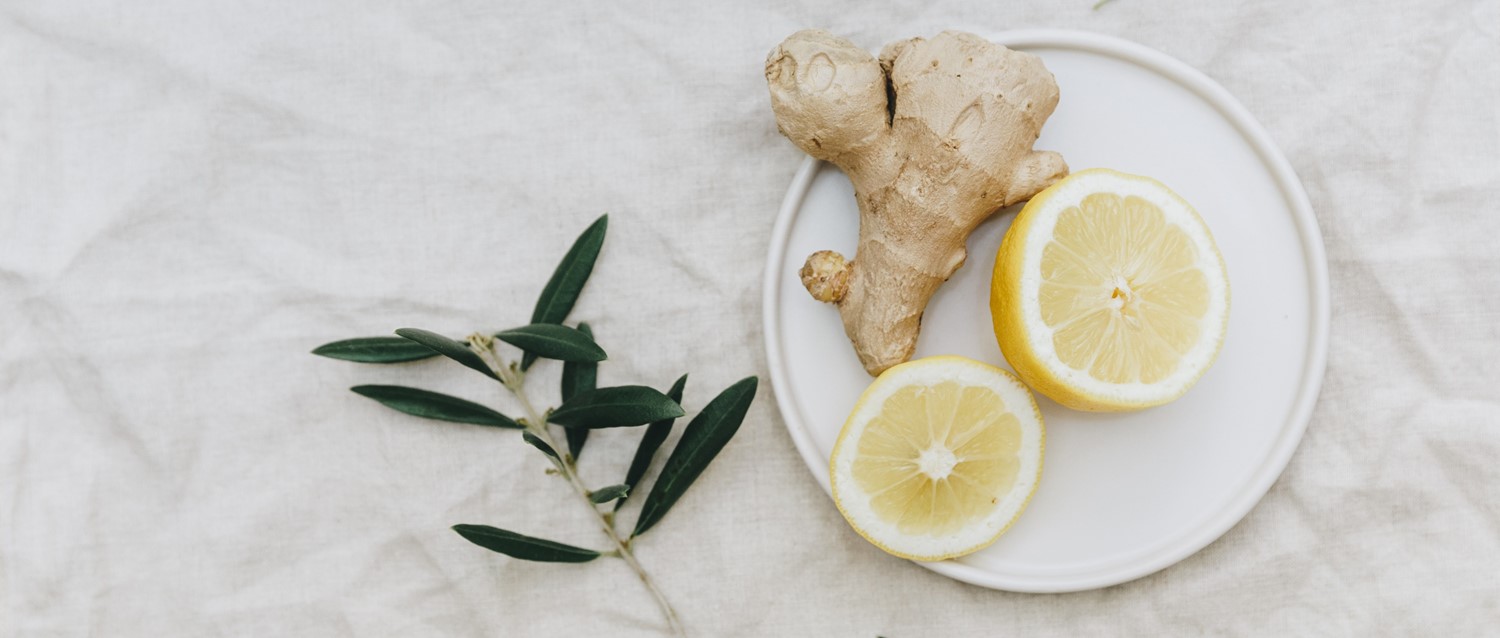
Vitamin C This vitamin helps shore up the barrier provided by your skin, nose and mouth, stopping germs getting in. As if that weren't enough, it also strengthens the ability of your immune system to eat up invading germs. Along with oranges, lemons and limes, broccoli, Brussels sprouts, spinach and pepper are high in vitamin C.
Vitamin D - Long known to contribute towards healthy bones and guarding against osteoporosis - thinning of the bones - vitamin D also plays an important part in your immune system. Unlike other vitamins, it's almost impossible to get enough from your diet. Take a 10 microgram supplement daily from October-March - or all year round if you don't get out much into the sun.
Selenium - This immune-boosting mineral is found in sunflower seeds, offal, seafood and Brazil nuts.
Does exercise boost my immune system?
Regular exercise has a host of health benefits and can extend your quantity, as well as your quality, of life. But where your immune system is concerned, there's evidence that taking regular exercise can reduce your risk of infections, such as the common cold, by 43% compared to people who exercise less than once a week1.
What's more, regular exercise reduces your risk of a host of long-term illnesses. Many of these conditions can cause inflammation in the body, increasing your risk of infections and your chance of developing complications from them.
Regardless of your age, getting into a routine of regular exercise can benefit your heart, lungs, joints and general well-being, as well as your immune system.
Once you're over 50, you should be incorporating individual muscle-strengthening exercises as well as 'aerobic' exercise - the kind that gets your heart pumping and makes you mildly out of puff.
Whether it's squats and HIIT training, running, yoga, swimming or dance classes, all forms of exercise carry health benefits.
Many of my older patients worry about damaging their joints, or whether it's safe to exercise if you have a chronic condition - but as you get older, exercise becomes even more important, improving muscle strength and reducing the risk of falls.
It's a question of finding a form of exercise that works for you. Even if you hate the gym, with a little trial and error you can find an exercise you enjoy.
Further reading
With thanks to 'My Weekly' magazine where this article was originally published.
Patient picks for The immune system

Allergies, blood and immune system
What is stiff person syndrome?
Superstar singer Céline Dion has opened up about living with stiff person syndrome, the condition which has seen her put her career on hold since 2022. Now, four years on, she has announced she's stepping back into the spotlight. But what exactly is stiff person syndrome? We explore how this rare condition can cause daily pain and discomfort for those affected, and how triggers are often hard to avoid.
by Victoria Raw
Allergies, blood and immune system
How to naturally boost your immune system
When the winter months arrive, so do viruses like colds and flu - and our immune systems have to work to fight them off. But how do our immune systems work to tackle germs - and what can you do to support it?
by Lydia Smith
About the authorView full bio

Dr Sarah Jarvis
Clinical Consultant
MA (Cantab), BM, BCh (Oxon), DRCOG, FRCGP, MBE
After training in medicine at Cambridge and Oxford, Dr Sarah Jarvis MBE became a GP.
About the reviewerView full bio

Dr Krishna Vakharia, MRCGP
Chief Medical Officer for Health, Optum UK
MBChB, MRCGP(2013), BMedSci (hons), DFSRH, DRCOG, PGDipDerm (Distn)
Dr Krishna Vakharia is an NHS GP. She is also a regular examiner for the postgraduate Diploma in Practical Dermatology at Cardiff University as well as being the Chief Medical Officer for health at Optum UK.
Article history
The information on this page is peer reviewed by qualified clinicians.
Article also available in English, German, Spanish, French, Italian, Portuguese, Hindi, Hebrew, Arabic, and Swedish.
8 Feb 2024 | Latest version
21 Sept 2022 | Originally published
Authored by:
Dr Sarah Jarvis
Join the conversation
Share your thoughts or experiences with others in our patient communities.

Ask, share, connect.
Browse discussions, ask questions, and share experiences across hundreds of health topics.

Feeling unwell?
Assess your symptoms online for free
Sign up to the Patient newsletter
Your weekly dose of clear, trustworthy health advice - written to help you feel informed, confident and in control.
By subscribing you accept our Privacy Policy. You can unsubscribe at any time. We never sell your data.
More in allergies, blood and immune system
- Anaphylactic shock: symptoms, triggers, and what to do
- Aquagenic urticaria: living with an allergy to water
- Are your Christmas decorations triggering your allergies?
- Blood test could predict Alzheimer's 20 years before symptoms
- Can a new blood test detect lung cancer early?
- Could you have a nightshade allergy?
- Cow's milk allergy in babies: What is the milk ladder?
- Cow's milk allergy: Which dairy-free milks are suitable for children?
- Does my diet really affect my immune system?
- How to cope with a nut allergy at Christmas
- How to get over a fear of blood tests
- How to get rid of your cat allergy symptoms
- How to protect your baby against allergies
- Managing hay fever and asthma: tips to survive pollen season
- These are the worst things you can do for your immune system
- Video: How do you know if you're intolerant to dairy?
- What are the early warning signs of blood cancer?
- What to expect when you give blood
- What women need to know about autoimmune conditions
- When to worry about an allergic reaction