Does my diet really affect my immune system?
Peer reviewed by Dr Sarah JarvisLast updated by Allie AndersonLast updated 14 Oct 2020
Meets Patient’s editorial guidelines
- DownloadDownload
- Share
- Language
- Discussion
- Audio Version
- Add to preferred sources on Google
'You are what you eat', as the saying goes. But just how much does what we eat impact the body's ability to fight off infection and keep us healthy - and can certain foods really boost our immune systems?
Most people think of bacteria as germs that thrive in dirty environments, causing nasty diseases and harm.
But not all bacteria are created equal. In fact, some bacteria are not only good for us, they are also essential for us to stay healthy. And, just like the rest of the cells in our bodies, good bacteria rely on optimum nutrition to do their job.
The microbiome
Every human being has millions of bacteria all over their body. They live on the surface of your skin, line your nose and throat, and cover the inside of your gastrointestinal tract - the long tube that starts at your mouth and ends at your back passage - known as the gut.
There are around 1,000 different bacteria in the gut, and they are found in the highest concentrations in the lower part, in the colon or bowel. Collectively, these colonies of gut bacteria are called the microbiome.
How does it affect our health?
The interplay between the gut microbiome and our overall health and well-being is a relatively new field of study, and scientists are learning more all the time. It's thought the microbiome could be linked with a number of conditions, including heart disease, Alzheimer's, and some types of cancer.
What we do know is that your gut microbiome has a crucial role to play in several of the body's systems. For example, it aids digestion and helps break down fibre from the diet that we can't digest. In doing so, it also produces fatty acids that we need to reduce inflammation, for the brain and muscles to work, and to lower cholesterol and blood glucose.
Vitamins and nutrients
The microbiome also synthesises essential vitamins, like B2 (riboflavin), B3 (niacin), B12, K and folate. Furthermore, it is tasked with helping the immune system to safeguard against dangerous, disease-causing bacteria, and boosting numbers of the blood cells we need to fight infections.
Fuelling the gut microbiome in the right way, with the most effective nutrients, powers it up to perform these functions. In other words, your diet directly affects your gut health and in turn, your immunity to disease.
Feeding the immune system
"Every cell in your body is made from the food you eat, and your immune system is no different," explains consultant dietician Sophie Medlin. "We need our immune system to be as effective as possible when we come across bacteria and viruses, and it requires a constant daily intake of nutrients in order to fulfil this need."
The microbiome is incredibly diverse, so a healthy, balanced diet is necessary to keep it in good shape. But mixing things up is also important.
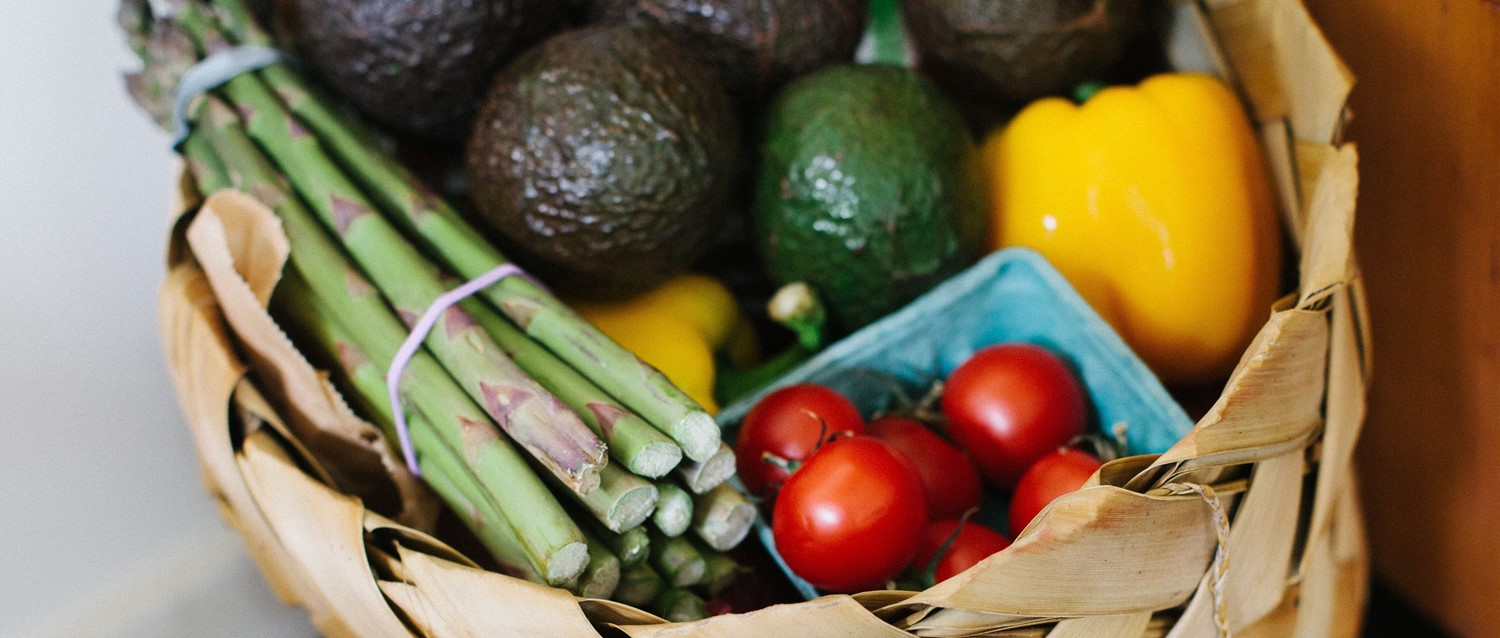
"There are many different species of beneficial bacteria and they all like to eat different food," says Medlin. "For that reason, dietary variety is key, especially eating a variety of plants. Many of us get stuck in the rut of buying and eating the same fruits and vegetables over and over, so try to add one or two new ones each week to support your internal immune system."
Getting enough fibre
According to the British Dietetic Association, a key nutrient for diversifying and boosting gut bacteria is fibre. The Association's advice, like Medlin's, is to include a range of sources of fibre in your diet every day.
Sometimes, fibre is categorised as either soluble, which is found in foods like fruit, beans and oats, or insoluble, of which whole grains, wheat bran and nuts are a source. But as a general rule, any food that is rich in fibre contains both types.
The recommended daily intake of dietary fibre for adults is 30 g per day, but most of us struggle to consume two thirds of that. Children also tend to eat less fibre than they need: 15 g a day for two to five-year-olds; 20 g for five to 11-year-olds; and 25 g for those aged 11 to 16.
Thankfully, it's easy to include more fibre in our diets - and it needn't mean a huge change to what you eat. A literature review published earlier this year concluded that just 6 g extra a day could influence the microbiome and have a demonstrable benefit to our health.
That's the equivalent of one bowl of high-fibre breakfast cereal or two slices of thick-cut wholemeal bread. If you don't fancy those choices, you can opt for potatoes with their skins on, wholegrain pasta, beans and pulses, vegetables, fruits, seeds, and nuts.
A word of caution
Just because evidence supports the role of diet in keeping our immune systems working well, it's important to note that no such evidence exists that any particular diet or supplement can protect against COVID-19.
"It's a completely new virus so we don't have any answers yet," Medlin highlights. "Our best bet is to do the things we know support our overall immune health: don't fall for any product or service that is profiting from our collective fear."
Patient picks for The immune system
Allergies, blood and immune system
How to naturally boost your immune system
When the winter months arrive, so do viruses like colds and flu - and our immune systems have to work to fight them off. But how do our immune systems work to tackle germs - and what can you do to support it?
by Lydia Smith

Allergies, blood and immune system
How to improve your immunity through diet and lifestyle
A strong immune system will help you ward off all sorts of infections. Here we explain how you can boost your immunity by eating the right foods, by looking after your skin, and by keeping your body active.
by Dr Sarah Jarvis
About the authorView full bio

Allie Anderson
Freelance Journalist
NCTJ
Allie Anderson is an NCTJ-qualified journalist with many years of experience writing and editing for a range of publishers.
About the reviewerView full bio

Dr Sarah Jarvis
Clinical Consultant
MA (Cantab), BM, BCh (Oxon), DRCOG, FRCGP, MBE
After training in medicine at Cambridge and Oxford, Dr Sarah Jarvis MBE became a GP.
Article history
The information on this page is peer reviewed by qualified clinicians.
Article also available in English, German, Spanish, French, Italian, Portuguese, Hindi, Hebrew, Arabic, and Swedish.
14 Oct 2020 | Latest version
Join the conversation
Share your thoughts or experiences with others in our patient communities.

Ask, share, connect.
Browse discussions, ask questions, and share experiences across hundreds of health topics.

Feeling unwell?
Assess your symptoms online for free
Sign up to the Patient newsletter
Your weekly dose of clear, trustworthy health advice - written to help you feel informed, confident and in control.
By subscribing you accept our Privacy Policy. You can unsubscribe at any time. We never sell your data.
More in allergies, blood and immune system
- Are your Christmas decorations triggering your allergies?
- Blood test may detect ovarian cancer two years earlier
- Can babies get hay fever?
- Cow's milk allergy in babies: What is the milk ladder?
- Hay fever: how your pharmacist can help
- How to get rid of your cat allergy symptoms
- How to manage hay fever at home
- How to naturally boost your immune system
- How to protect your baby against allergies
- Is hay fever linked to depression?
- Managing hay fever and asthma: tips to survive pollen season
- New blood test could diagnose heart failure earlier
- New blood test may detect aggressive prostate cancer
- Signs you may have anaemia
- These are the worst things you can do for your immune system
- Vitamin B12 deficiency signs you need to know
- What is gluten intolerance?
- NewWhat is Skeeter syndrome? When a mosquito bite is more than just an itch
- What is the COVID-19 antibody blood test and should I get one?
- Which type of hay fever nasal spray is right for you?