Why you don't need to detox
Peer reviewed by Dr Colin Tidy, MRCGPLast updated by Victoria RawLast updated 14 May 2025
Meets Patient’s editorial guidelines
- DownloadDownload
- Share
- Language
- Discussion
- Audio Version
- Add to preferred sources on Google
Detox diets and cleanses, which are often celebrity endorsed, promise a significant weight loss in a short space of time. But is this quick fix better than going to a gym and putting in the hard work?

The simple answer is no. Instead of focusing solely on extremely low-calorie consumption, you should consider the crucial role your brain plays in regulating body weight.
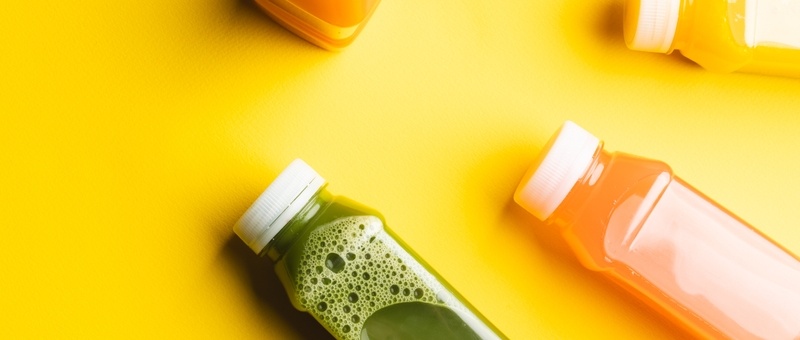
Dr Jason McKeown, visiting scholar in Neuroscience at the Center for Brain and Cognition, University of California, San Diego says that most traditional methods of dieting and detoxing - such as juice detoxes, cabbage soup, eliminating carbs - are ineffective long-term.
"When people stop dieting, this will all almost certainly lead to significant 'bounce back' - with some regaining all of the weight they have just lost," he explains. "Ultimately, your brain automatically controls what weight we need to be, so doing an intense detox for a few weeks almost never leads to any meaningful weight loss in the long run."
During a detox diet, whole food groups are cut out while caffeine, alcohol, sugar and processed foods are restricted. Most of the weight lost will be water, stored glycogen and waste products, and most - if not all - of the weight will be regained once returning to 'normal' eating habits.
Is detox necessary?
Scientific evidence suggests that detox diets and cleanses are neither necessary nor valuable. Your body is perfectly capable of eliminating unwanted contaminants. Your liver, kidneys and digestive system, and enzymes in cells, are continuously breaking down toxins and internal waste.
Dr Tuya Chuluuntulga, a GP based in London, UK explains that your body has a robust cleansing system to help you get rid of metabolic waste and harmful toxins.
"When we chew food, amylase enzymes produced by saliva help to break down carbohydrate," says Chuluuntulga. "Proteases break down protein in your stomach and small intestine. Lipases break down fat and oil in your small intestine. These digestive enzymes break down nutrients into small soluble molecules that can be absorbed.
"A variety of waste products are filtered by your liver. Your kidneys remove waste and toxins from your body. The colon reabsorbs fluids and gets rid of food left over after the nutrients are absorbed from it and other waste. We don't need to detox because it doesn't offer any clinically proven health benefits."
Chuluuntulga adds that not only are detox diets unsuitable for people with certain medical conditions - such as cancer, diabetes, and those with weakened immune systems - they could also harm your health.
"There is no research providing evidence they improve health outcomes such as blood pressure, or cholesterol," she says. "Nor is there evidence to suggest they have a long-lasting effect on weight."
Safety concerns
Furthermore, some detox diets are extreme and if followed for long periods can have negative effects on your body.
These may present as:
Nutritional deficiencies.
A lack of energy.
An increase in food cravings - due to food groups being restricted.
Unhealthy eating patterns and behaviours.
Embarking on a new diet, even a detox, forces you to evaluate your diet, while also being more motivated to increase the amount of fruit and vegetables you eat, drink more water, and cut down on junk food, alcohol and caffeine.
These are, however, long-term efforts and should become part of a healthy eating regime. They are not a quick fix to weight loss.
Chuluuntulga says: "There are healthier ways to achieve your target weight - such as adopting a healthy lifestyle.
"It is important to nourish and maintain your body's robust self-cleansing system with a balanced healthy diet, regular exercise, adequate fluid intake, sufficient sleep and a positive mindset."
A more effective alternative
Taking a long-term approach that allows your brain to adjust to weight loss is widely recommended.
McKeown advises you maintain a slow and healthy weight loss, through moderate changes to your lifestyle.
These can include:
Better nutrition choices.
Modest physical activity - such as a brisk walk a few times a week.
"These are much more sustainable and therefore less likely to lead to rebound weight gain," he explains.
Detox diets claim to help eliminate toxins from your body and aid weight loss while also promoting health and wellbeing. However, there is no clinical evidence to support such claims.
While they might help in the short term, the reality is that any weight lost during detox is likely to be regained once you return to your normal eating habits. Instead, doctors and nutritionists recommend a long-term approach to weight loss which allows your body and brain to adjust to a healthier lifestyle - including a diet rich in fruit and vegetables with regular exercise.
Patient picks for Diet
Diet and nutrition
How diet affects your heart
The expression 'you are what you eat' is most true of all where your heart is concerned. What you put into your body has a huge impact on your liver, your bowel, your kidneys, and your brain - but also on your arteries, which supply all your organs with vital oxygen.
by Josh Alderman

Diet and nutrition
What is the Ornish diet and can it transform your health?
The Ornish diet is a plant-based plan, originally developed by Dr Dean Ornish as a way of preventing and reversing heart disease. It promotes a diet low in fat, and high in fibre, alongside significant lifestyle changes. It encourages you to reduce your intake of sugar and processed foods, while incorporating regular exercise, and managing stress.
by Victoria Raw
Frequently asked questions
What is the role of the brain in weight regulation?
Your brain plays a crucial role in automatically controlling the weight your body needs to be. Traditional diets, like detoxes, are often ineffective long-term because your brain will likely cause you to regain any lost weight once you stop the diet.
Will a short-term detox diet help me lose weight permanently?
No, a short-term detox diet is unlikely to lead to meaningful or permanent weight loss. Most of the weight lost during a detox is typically water, stored glycogen, and waste products. This weight is almost always regained once you return to your usual eating habits.
What are the common characteristics of detox diets?
Detox diets typically involve cutting out entire food groups and significantly restricting items like caffeine, alcohol, sugar, and processed foods. They might include practices such as juice detoxes or specific diets like cabbage soup.
What are some of the negative effects of detox diets on health?
Following detox diets, particularly for extended periods, can lead to negative health effects such as nutritional deficiencies, a lack of energy, fatigue, increased food cravings due to restricted food groups, and the development of unhealthy eating patterns and behaviours.
What are some practical and healthy ways to achieve weight loss?
Healthy ways to achieve your target weight include adopting a balanced healthy diet, engaging in modest physical activity like brisk walks a few times a week, ensuring adequate fluid intake, getting sufficient sleep, and maintaining a positive mindset. These methods support your body's natural cleansing system and promote sustainable weight loss.
About the authorView full bio

Kerry Taylor-Smith
Freelance journalist
BSc (Hons) Natural Sciences
Kerry has been a freelance writer, editor and proofreader since 2016; she specialises in science and health-related topics.
About the reviewerView full bio

Dr Colin Tidy, MRCGP
General Practitioner, Medical Author
MBBS, MRCGP, MRCP (Paediatrics), DCH
Dr Colin Tidy is an NHS Doctor, based in Oxfordshire.
Article history
The information on this page is peer reviewed by qualified clinicians.
Article also available in English, German, Spanish, French, Italian, Portuguese, Hindi, Hebrew, Arabic, and Swedish.
Next review due: 15 May 2028
14 May 2025 | Latest version
2 Jan 2019 | Originally published
Authored by:
Kerry Taylor-Smith
Join the conversation
Share your thoughts or experiences with others in our patient communities.

Ask, share, connect.
Browse discussions, ask questions, and share experiences across hundreds of health topics.

Feeling unwell?
Assess your symptoms online for free
Sign up to the Patient newsletter
Your weekly dose of clear, trustworthy health advice - written to help you feel informed, confident and in control.
By subscribing you accept our Privacy Policy. You can unsubscribe at any time. We never sell your data.
More in diet and nutrition
- 5 healthy Halloween treats
- NewBiohacking - where to start, and where to stop
- Brain food: what to eat, when to eat, recipes
- Could your diet be your best anti-ageing secret?
- Fatty liver diet: foods to eat and avoid
- Foods to boost your immune system this winter
- Health benefits of garlic
- How healthy is flavoured water?
- How to boost your vitamin D levels this winter
- How to live longer: good habits for a healthy life
- Is the Okinawa diet a recipe for longevity?
- Raw milk - is it actually good for you or just another wellness trend?
- Should you take probiotics for pregnancy?
- The latest superfood - what's the fuss around microgreens?
- The Reducetarian diet: how to eat less meat
- What are the benefits of vitamin D?
- What are ultra processed foods and do they cause cancer?
- What is choline? The nutrient for your memory, muscles and more
- What is the Ornish diet and can it transform your health?
- Why do we get sugar withdrawal symptoms?