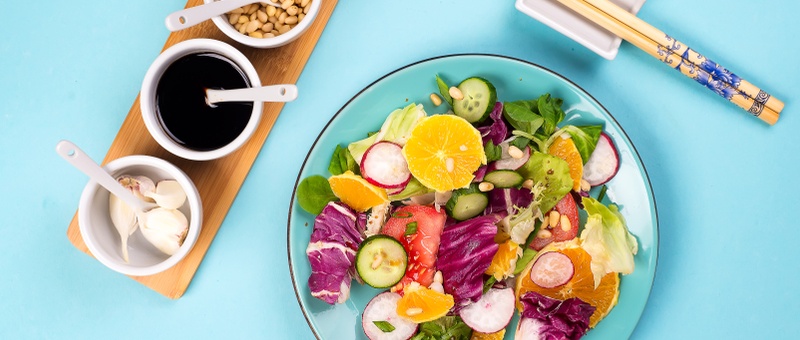
What is clean eating and how can you start?
Peer reviewed by Dr Colin Tidy, MRCGPAuthored by Victoria RawOriginally published 15 Sept 2025
Meets Patient’s editorial guidelines
- DownloadDownload
- Share
- Language
- Discussion
- Audio Version
- Add to preferred sources on Google
You don’t have to overthink what clean eating means - the name says it all. It’s about choosing foods that are minimally processed and as close to their natural state as possible. In this article, we take a closer look at what types of foods clean eating includes and how you can start incorporating them into your diet if it feels like the right fit for you.
What does clean eating mean?
Clean eating encourages the consumption of fresh, unprocessed foods that are naturally rich in nutrients, and free from unnecessary additives.
Dr Asimah Hanif, NHS and Private GP, London, UK explains that the core philosophy of clean eating is simple - choosing high-quality foods that are closer to their natural state is healthier and better for your overall wellbeing.
Dr Asimah Hanif, NHS and Private GP, London, UK

"Clean eating focusses on nourishing your body with nutrient-dense foods while avoiding artificial, heavily processed, or chemically altered ingredients," she says. "It emphasises fruits, vegetables, whole grains, complex carbohydrates, lean proteins, nuts, seeds, and healthy fats."
Hanif adds that this approach also involves avoiding added sugars, preservatives, artificial colourings, flavour enhancers, and sweeteners.
"If you want to try clean eating, look for foods with short, recognisable ingredient lists," she suggests.
How flexible is clean eating?
Clean eating isn’t a regulated or universally accepted term, so its definition can differ depending on your personal or cultural perspectives.
According to Hanif, there are several approaches often associated with clean eating.
Some of the most common are:
Mainstream balanced approach: flexible and evidence-based, includes all food groups while focusing on food quality, such as choosing brown bread over white - aligns with the Eatwell Guide and Mediterranean-style diets.
Natural or organic-focused approach: prioritises organic, non-genetically modified (GMO), and locally sourced foods - often excludes conventionally grown produce and animal products due to concerns over pesticides, hormones, and antibiotics.
Elimination-based clean eating: removes specific food groups - such as gluten, dairy, grains, or animal products, based on perceived health benefits. While not always supported by scientific evidence, it often overlaps with diets such as Paleo, Whole30, or raw food movements.
Orthorexic or extremist forms: excessively rigid and restrictive form of clean eating that labels entire food groups as “dirty” or “toxic.”
Hanif warns that this last approach can contribute to disordered eating patterns - including orthorexia.
"Some versions may also exclude dairy, gluten, caffeine, or alcohol," she adds. "Though this is not universally supported by evidence unless medically indicated."
What to eat and what to skip
If you’re following a mainstream, balanced approach to clean eating, Hanif suggests using the following list of foods to include and avoid as a helpful guide.
Foods to include:
Fruits and vegetables - fresh or frozen varieties.
Whole grains - such as brown rice, quinoa, and oats.
Lean proteins - including chicken, fish, legumes, and tofu.
Nuts and seeds - for healthy snacks and added nutrients.
Healthy fats - such as olive oil, and avocado.
Herbs and spices - to add natural flavour without additives.
Foods to limit or avoid:
Ultra processed foods - such as packaged snacks, and ready meals.
Refined grains - such as white bread, and white rice.
Added sugars - found in soft drinks, and baked goods.
Artificial additives and preservatives - including artificial colourings and enhancers.
Trans fats and hydrogenated oils - often found in fried foods.
Benefits of clean eating
By improving your nutrient intake, clean eating can increase your consumption of fibre, essential vitamins, minerals, and powerful antioxidants - all of which support better overall health.
Hanif explains that many benefits attributed to clean eating overlap with general healthy eating guidelines - such as the Mediterranean diet.
"Clean eating per se isn’t uniquely beneficial," she says. "It depends on how it’s practiced."
Still, Hanif points out that a diet rich in the above components can lower your chance of developing:
Long-term diseases.
High blood pressure (hypertension).
Heart disease.
She adds that eating more fibre and reducing additives can boost your digestive health. Additionally, minimising your exposure to artificial or industrial substances benefits both your physical and mental wellbeing.
"Your energy and mood will also be better stabilised from avoiding blood sugar spikes from ultra-processed foods," she says. "Consuming less calorie-dense, low-nutrient foods may have a positive effect on weight management."
Is clean eating suitable for everyone?
Though clean eating has some obvious health advantages, it may not be the ideal dietary approach for everyone.
Hanif explains that clean eating can become problematic when taken to extremes or misunderstood.
The potential negative health and social impacts of overly restrictive clean eating can include:
Nutritional deficiencies - over-restriction can lead to inadequate intake of essential nutrients, such as calcium, iron, B12, and others.
Cost and accessibility challenges - whole, organic, or specialty items can be expensive, and not easily accessed by everyone.
Time-consuming preparation - cooking from scratch and avoiding convenience foods requires time, effort, and planning.
Hanif says: "Clean eating should be approached cautiously, or with guidance from a dietitian or medical professional."
This is particularly important for certain groups, including:
People with existing or heightened likelihood of developing eating disorders - such as orthorexia or anorexia, where rigid food rules can exacerbate unhealthy behaviours.
Children and adolescents - who are impressionably and may develop distorted views about "good" versus "bad" foods.
People with limited access to fresh or whole foods - due to factors such as geography, time constrains or limited income.
Those with long-term medical conditions - such as chronic kidney disease (CKD), diabetes, or irritable bowel syndrome (IBS), where specific dietary needs may not align with strict clean eating principles.
How to start clean eating
To start clean eating, Hanif suggests you start gradually, by replacing one ultra-processed item with a whole-food version daily or weekly.
"Get into the habit of reading labels, aiming for shorter ingredients lists with recognisable components," she says. "Cook more at home by beginning with simple meals, such as stir-fries, roasted vegetables and soups.
"Eat out less, stay hydrated, and opt for water or herbal teas over sugary drinks and juices."
You might encounter common challenges with clean eating - including social pressures, confusion over “clean” food labels, cost concerns, and cravings for highly processed comfort foods. These factors can make it difficult to maintain clean eating consistently over the long term.
If you find yourself in this situation, Hanif has some practical advice to help you stay on track with your clean eating goals.
How to make clean eating a long-term habit
Adopt a flexible mindset - allow room for occasional convenience or treats.
Plan and prepare - use meal planning to reduce decision fatigue.
Stay informed - focus on evidence-based guidance, not trends or influencers.
Celebrate progress, not perfection - aim for consistency, not rigidity.
Listen to your body - acknowledge and honour hunger, satisfaction, and personal tolerances.
Hanif concludes that clean eating can support your long-term health if you focus on whole, nutrient-rich foods, but avoid unnecessary restriction.
"It's essential you accommodate your personal, cultural, and medical needs," she says. "When clean eating becomes overly restrictive, it can undermine both your physical and mental health.
"Like any diet, sustainability depends on balance, flexibility and an overall awareness of your individual needs."
Patient picks for Healthy eating
Diet and nutrition
Simple ways to follow a Mediterranean diet
A Mediterranean diet conjures up an image of fresh fish and colourful salads doused in olive oil, washed down with a glass of red wine - all while sitting in the sun of course. While we may not have reliable sunshine in the UK, we can certainly tap into the wide-ranging health benefits offered by the Mediterranean diet.
by Lynn Stephen
Diet and nutrition
Juice: Is juicing fruits and vegetables good for us?
Colourful juices line the shelves of our favourite cafes, promising benefits from better digestion to clearer skin. But is drinking our fruits and vegetables really better for us than just eating them whole?
by Lydia Smith
About the authorView full bio

Victoria Raw
Feature Writer
BA (Hons), English Literature
Victoria is a content writer at Patient, with special interests spanning mental wellbeing, societal trends and the impact of technology on our health.
About the reviewerView full bio

Dr Colin Tidy, MRCGP
General Practitioner, Medical Author
MBBS, MRCGP, MRCP (Paediatrics), DCH
Dr Colin Tidy is an NHS Doctor, based in Oxfordshire.
Article history
The information on this page is peer reviewed by qualified clinicians.
Article also available in English, German, Spanish, French, Italian, Portuguese, Hindi, Hebrew, Arabic, and Swedish.
Next review due: 15 Sept 2028
15 Sept 2025 | Originally published
Authored by:
Victoria RawPeer reviewed by
Dr Colin Tidy, MRCGP
Join the conversation
Share your thoughts or experiences with others in our patient communities.

Ask, share, connect.
Browse discussions, ask questions, and share experiences across hundreds of health topics.

Feeling unwell?
Assess your symptoms online for free
Sign up to the Patient newsletter
Your weekly dose of clear, trustworthy health advice - written to help you feel informed, confident and in control.
By subscribing you accept our Privacy Policy. You can unsubscribe at any time. We never sell your data.
More in diet and nutrition
- 6 deliciously healthy berries and recipes
- 7 easy and delicious keto breakfast ideas
- Are carbs actually bad for you?
- Are juice cleanses good for you?
- Can taurine supplements slow ageing?
- DASH diet - healthy eating that helps lower blood pressure
- Health benefits of garlic
- How food affects your mood
- How to boost your vitamin D levels this winter
- How to eat more healthily during the colder months
- How to make healthier choices without missing out
- How to stop binge eating
- How your gut affects your overall health
- Is a dairy-free diet healthy?
- Patient's Christmas Cook Off
- The best anti-ageing supplements for your health
- The truth about the fat in your diet
- What is the Ornish diet and can it transform your health?
- Why do we get sugar withdrawal symptoms?
- Why you don't need to detox