¿Puede la dieta afectar tu TDAH?
Revisado por pares por Dr Colin Tidy, MRCGPEscrito por Victoria RawPublicado originalmente 15 May 2025
Cumple con las directrices editoriales
- DescargarDescargar
- Compartir
- Language
- Discusión
- Versión en audio
- Agregar a fuentes preferidas en Google
A medida que más personas son diagnosticadas con TDAH, hay un creciente interés en formas efectivas de ayudar a controlar sus síntomas. Un área prometedora de enfoque es la nutrición, con evidencia emergente que sugiere que lo que comes puede desempeñar un papel en el manejo de la condición. Hablamos con los expertos para conocer su opinión sobre si tu dieta puede afectar los síntomas del TDAH.
Patrocinado
Clínica de TDAH Vida Sana
Obtén acceso a un servicio de TDAH del NHS dirigido por un consultor, con tiempos de evaluación más rápidos, diagnóstico completo y tratamiento continuo, todo gratis en el NHS.
Trastorno por déficit de atención e hiperactividad (ADHD) is a neurological condition that affects around 5% of children and 4% of adults in the UK. People with ADHD commonly have trouble focusing, bursts of hyperactivity or impulsiveness, and moments where their mind feels foggy.
How diet can help manage ADHD symptoms
How does what you eat affect ADHD symptoms?
Symptoms of ADHD may be managed with certain medicines, though incorporating healthy lifestyle habits can also help you cope.
Dr Tom MacLaren, Consultant Psychiatrist, Re:Cognition Health, London, UK explains that while no single diet can cure ADHD, emerging research suggests that certain nutritional choices may influence the severity of your symptoms.
Dr Miriam Mikicki, GP and Functional Medicine Practitioner, health.miro, London, UK says, "Your diet can have a big impact on your blood sugar. Excess rises and falls in blood sugar can certainly make your ADHD symptoms worse."
She adds that several vitamin and mineral deficiencies have also been linked to more intense ADHD symptoms.
According to Maclaren and Mikicki, children and adults with ADHD often have lower levels of certain important nutrients essential for brain function, regulating nerve signals, and mood stability.
Estas incluyen:
Ácidos grasos Omega-3 - critical for brain cell structure, dopamine regulation and managing inflammation.
Zinc and Vitamin B6 - involved in neurotransmitter synthesis, neural signaling, and dopamine and serotonin production.
Magnesio - important for nervous system regulation.
Hierro - supports oxygenation and dopamine production. Low levels of ferritin, a protein that helps your cells store iron, has been linked to more severe ADHD symptoms.
Vitamina D - modulates brain-derived neurotrophic factor (BDNF), a protein that helps grow and protect brain cells.
MacLaren explains that addressing nutritional deficiencies through diet or supplements may improve focus and emotional regulation.
"For example, omega-3 supplementation has shown benefits in clinical trials," he says. "Iron correction may also reduce hyperactivity."
Which foods help improve ADHD symptoms?
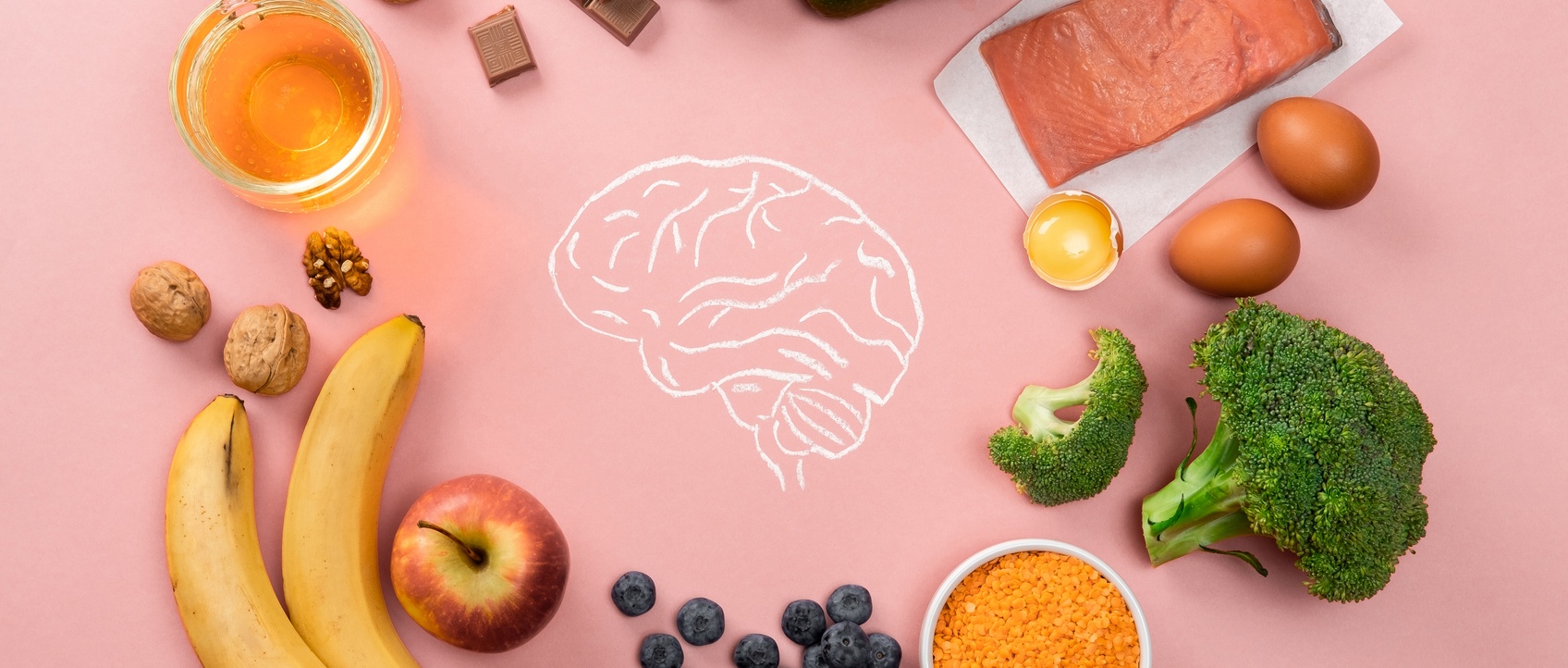
Adding the right foods to your diet could boost brain function, help with focus, calm hyperactivity, reduce inflammation, and even improve your mood.
Mikicki says that fatty fish - such as sardines and mackerel - are a great source of omega-3, while eggs contain choline, which is important for brain function.
"Choline is a precursor to acetylcholine, a key neurotransmitter that plays a role in memory and focus," she explains. "Other foods which can help include leafy greens - a source of folate and iron - nuts and seeds - a source of zinc and magnesium - and berries, which are good sources of antioxidants."
MacLaren outlines a detailed list of food sources that may help reduce ADHD symptoms:
Omega-3s: Salmon, walnuts, flax seeds - support brain cell membranes.
Protein: Eggs, lean meats, legumes - stabilise blood sugar.
Complex carbohydrates: Oats, lentils, quinoa - provide sustained energy.
Antioxidants: Berries, spinach, nuts - reduce oxidative stress.
Alimentos fermentados: Yoghurt, kimchi, kefir - support your gut microbiome.
Is there a connection between gut health and ADHD?
The gut-brain axis is a two-way communication system that connects your digestive health and brain function.
Mikicki says that an imbalance in your gut bacteria (dysbiosis) can increase inflammation and negatively affect your cognitive function.
"People with ADHD often show imbalances in their gut microbiota," she explains.
For this reason, she recommends increasing your intake of gut-friendly foods to help enhance attention and improve emotional regulation.
Estas incluyen:
Probiotic-rich foods - such as yoghurt, kefir, kimchi.
Prebióticos - such as bananas and garlic.
Fibra - such as whole grains and legumes.
Which diets can help with ADHD?
It's thought that following specific diets may help manage symptoms of ADHD. They typically include an elimination diet, a Mediterranean diet and a low glycaemic diet.
Elimination diet
An elimination diet works by removing common food additives and allergens to help identify the specific triggers of symptoms.
Mikicki describes how some food groups - including gluten and dairy - can contribute to ADHD symptoms such as brain fog and lack of concentration in people with certain genetic traits.
She says: "The best way to see if there is an improvement in cognitive symptoms is by removing these foods for a set period, and then re-introducing them to see if symptoms return.
"This is a personalised way to find out if your symptoms are related to certain food groups."
Mikicki warns that this type of plan has a downside, as it requires completely removing some foods from your diet for a length of time, which could result in nutrient deficiencies.
MacLaren explains: "Eliminating foods without adequate replacements can result in a lack of essential vitamins and minerals. It can also be particularly challenging for children and adults who may be picky eaters."
However, he adds that some children and adults with ADHD may benefit from avoiding artificial food colours, preservatives, and certain allergens.
dieta mediterránea
La dieta mediterránea prioritises fruits, vegetables, wholegrain cereals, fish, eggs, dairy foods, olive oil, nuts and seeds, with small amounts of meat and poultry.
Mikicki says this diet is promoted for its anti-inflammatory effects and nutrient density - such as omega-3 fatty acids - which is important for brain health.
"It does, however, require planning and access to certain foods," she adds. "Fresh fish, for example, may not be readily available."
Low glycaemic diet
A low glycaemic diet avoids foods that cause rapid spikes and crashes in blood sugar levels. Instead, it focuses on foods that release energy more slowly, helping to maintain stable blood sugar and support sustained focus and energy throughout the day.
"This is beneficial as we know that stabilising blood sugar can have a profound effect on mood and energy," says Mikicki. "This can reduce impulsivity and improve concentration in people with ADHD.
"However, to accurately monitor this diet, you need to have some monitoring in place, such as a continuous glucose monitor (CGM) or blood test."
MacLaren advises that while ADHD-specific diets can promote healthier eating habits, there is still limited scientific evidence to confirm their effectiveness in directly improving ADHD symptoms.
"It's essential to approach these diets with caution and professional guidance," he says. "Always consult with a healthcare provider to ensure nutritional balance."
Healthy eating advice for ADHD and wellness
A simple way to stabilise your blood sugar levels and reduce inflammation is by eating a balanced diet rich in protein, complex carbohydrates, and healthy fats.
Mikicki says: "Diet is not considered a cure for ADHD, but it can nonetheless be a powerful complementary approach."
MacLaren adds that while dietary changes are not a standalone treatment, combining nutritional strategies with conventional ADHD therapies often yields the best outcomes.
He offers some final takeaway tips for a balanced diet that supports mood, focus, and quality of life.
"These can help you think in more detail about how even small adjustments to your diet could help better control your ADHD symptoms," he concludes.
Prioritise protein - including protein at every meal can help stabilise energy levels and improve concentration. Foods like lean meats, eggs, dairy, nuts, and legumes are excellent choices.
Choose complex carbs - opting for wholegrains over refined sugars helps maintain steady blood sugar levels, which can prevent mood swings and improve focus. Oatmeal, brown rice, and quinoa are great options.
Schedule snacks - regular snacks can prevent blood sugar crashes. Nuts, seeds, fruits, and vegetables are nutritious choices that provide sustained energy.
Hydrate well - staying hydrated is crucial as dehydration can impair cognitive function and focus. Aim for at least 8 glasses of water a day, and consider hydrating foods like fruits and vegetables.
Limit additives - avoiding artificial colours, preservatives, and other additives can help reduce hyperactivity and improve attention in some people with ADHD.
Selecciones del paciente para TDAH

Cerebro y nervios
¿Cuáles son los síntomas del TDAH y el autismo (AuDHD)? Signos, diferencias y similitudes
El Trastorno por Déficit de Atención e Hiperactividad (TDAH) y el Trastorno del Espectro Autista (TEA) son condiciones del neurodesarrollo que a menudo pueden coexistir. Cuando ambas condiciones están presentes, a veces se les denomina AuDHD (TDAH y Autismo). Aunque no es un término utilizado por los médicos al dar diagnósticos, las personas lo usan comúnmente para indicar que tienen ambas condiciones. En este artículo, se explorarán por separado los síntomas del TDAH y el autismo y luego cómo se presentan en combinación.
por la Dra. Rachna Rajput, Psychiatry UK

Cerebro y nervios
Cómo detectar signos de TDAH en tu hijo este verano
Con las vacaciones de verano escolares en el Reino Unido finalmente aquí, muchos padres y familias pasarán más tiempo juntos de lo habitual. Si te has estado preguntando si tu hijo podría tener TDAH, las vacaciones de verano pueden ser una buena oportunidad para observar cómo se comporta en diferentes situaciones y rutinas. Hablamos con un especialista sobre las señales a las que hay que estar atentos y qué hacer si crees que tu hijo puede tener TDAH.
por Victoria Raw
Preguntas frecuentes
¿Puede la dieta por sí sola curar el TDAH?
No, la dieta por sí sola no puede curar el TDAH. Aunque los cambios en la dieta pueden ser un enfoque complementario poderoso y pueden influir en la gravedad de los síntomas, no se consideran un tratamiento independiente. Combinar estrategias nutricionales con terapias convencionales para el TDAH a menudo produce los mejores resultados.
¿Existen riesgos asociados con seguir una dieta de eliminación para el TDAH?
Sí, existen riesgos asociados con una dieta de eliminación. Eliminar ciertos alimentos durante mucho tiempo sin reemplazos adecuados puede llevar a una falta de vitaminas y minerales esenciales, lo que podría causar deficiencias nutricionales. También puede ser particularmente desafiante para los niños y adultos que son comedores selectivos.
¿Qué es el eje intestino-cerebro y cómo se relaciona con el TDAH?
El eje intestino-cerebro es un sistema de comunicación bidireccional que vincula tu salud digestiva y la función cerebral. Un desequilibrio en las bacterias intestinales, conocido como disbiosis, puede aumentar la inflamación y afectar negativamente la función cognitiva. Las personas con TDAH a menudo muestran tales desequilibrios, por lo que se recomienda aumentar los alimentos beneficiosos para el intestino para ayudar con la atención y la regulación emocional.
¿Cómo puede la proteína ayudar con los síntomas del TDAH?
Incluir proteínas en cada comida puede ayudar a estabilizar los niveles de energía y mejorar la concentración. Alimentos como carnes magras, huevos, lácteos, nueces y legumbres son excelentes opciones para la ingesta de proteínas. Esta estabilidad en la energía puede ayudar a manejar los síntomas del TDAH.
¿Por qué es importante la hidratación para manejar los síntomas del TDAH?
Mantenerse bien hidratado es crucial porque la deshidratación puede afectar la función cognitiva y la concentración. Apuntar a al menos 8 vasos de agua al día y consumir alimentos hidratantes como frutas y verduras puede apoyar una mejor concentración y función cerebral en general.
Sobre el autorVer biografía completa

Victoria Raw
Redactora de artículos
Licenciatura en Artes (Hons), Literatura Inglesa
Victoria es una redactora de contenido en Patient, cuyos intereses especiales se centran en el bienestar mental, las tendencias sociales y el impacto de la tecnología en nuestra salud.
Acerca del revisorVer biografía completa

Dr Colin Tidy, MRCGP
Médico General, Autor Médico
MBBS, MRCGP, MRCP (Paediatrics), DCH
El Dr. Colin Tidy es un médico del NHS, con sede en Oxfordshire.
Historial del artículo
La información en esta página es revisada por pares por clínicos calificados.
Artículo también disponible en Inglés, Alemán, Español, Francés, Italiano, Portugués, Hindi, Hebreo, Árabe, y Sueco.
Próxima revisión: 15 de mayo de 2028
15 May 2025 | Publicado originalmente
Escrito por:
Victoria RawRevisado por pares por
Dr Colin Tidy, MRCGP

Pregunta, comparte, conecta.
Navega por discusiones, haz preguntas y comparte experiencias en cientos de temas de salud.

¿Te sientes mal?
Evalúa tus síntomas en línea de forma gratuita
Suscríbete al boletín de Patient
Tu dosis semanal de consejos de salud claros y confiables, escritos para ayudarte a sentirte informado, seguro y en control.
Al suscribirte aceptas nuestros Política de Privacidad. Puedes darte de baja en cualquier momento. Nunca vendemos tus datos.
Más sobre el cerebro y los nervios
- 10 remedios caseros para aliviar rápidamente la migraña
- ¿Son más comunes los dolores de cabeza y las migrañas en verano?
- Liberarse de la máscara: cómo entenderla y superarla
- ¿Puede el TDAH causar ansiedad y depresión?
- Cómo el TDAH afecta el trabajo y la productividad
- Cómo las bacterias intestinales afectan el estado de ánimo, la concentración y la salud cerebral
- NuevoCómo detectar signos de TDAH en tu hijo este verano
- ¿Tu período está causando tus migrañas?
- Cerebro de palomitas: qué es, por qué sucede y cómo restablecer tu concentración
- Mitos sobre el herpes zóster que deberías dejar de creer
- Consejos simples podrían mejorar la salud a largo plazo para personas con EM
- ¿Cuáles son los signos del TDAH en mujeres?
- ¿Qué es la enfermedad de Alzheimer temprana y qué la causa?
- ¿Qué es el síndrome de Tourette y cómo se maneja?
- Qué no decirle a alguien con demencia
- ¿Por qué me han ofrecido la vacuna contra el herpes zóster?
- Por qué nuestro cerebro está enganchado a las malas noticias
- La demencia de inicio temprano está relacionada con la salud y el estilo de vida, así como con la genética
- Tu guía para la prevención de accidentes cerebrovasculares