
Are UK blood pressure levels on the rise?
Peer reviewed by Dr Sarah JarvisAuthored by Danny ChadburnOriginally published 21 Sept 2017
Meets Patient’s editorial guidelines
- DownloadDownload
- Share
- Language
- Discussion
- Audio Version
- Add to preferred sources on Google
High blood pressure, or hypertension, is one of the biggest risk factors for premature death in the UK, but can real-world events cause a nation's blood pressure to collectively increase?
Sponsored
Patient recommends... Hilo
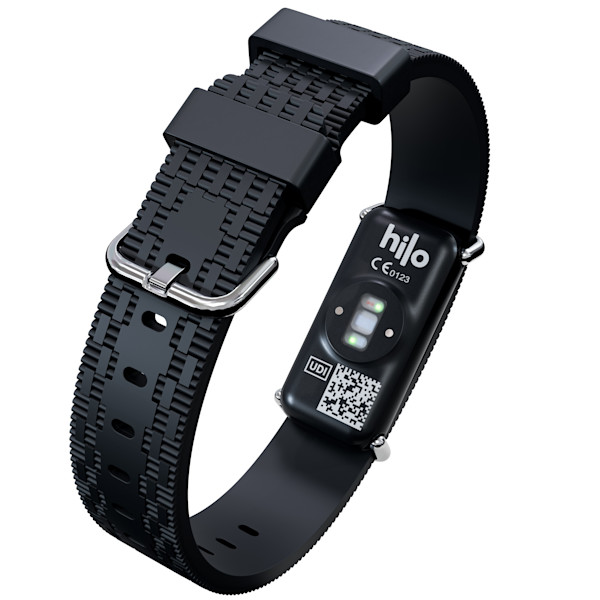
Track your blood pressure continuously, day and night - without an inflatable cuff. Traditional cuffs capture just one moment, if you remember to use them. Hilo takes about 25 readings a day, revealing how stress, meals, and activity affect your blood pressure so you can make informed choices for your wellbeing.
› Shop now
We take a look at some of the issues affecting modern day society that could be pushing up our blood pressure levels, from workplace stress to worrying about Brexit.
Are numbers actually going up?
The number of people in the UK with high blood pressure appears to have generally come down since the 1970s, when a massive 38% of men and 28% of women were diagnosed.
Depending on which source you look at, current figures generally sit somewhere between 25-30% of the population - According to the Helath Survey for England 2015, men are still more likely to have high blood pressure (31% of men compared to 26% of women), and those figures don't seem to have changed much in the last few years.
The number of people with undiagnosed high blood pressure also seems to have dropped. Although it's impossible to be certain how many people have high blood pressure but don't know it, it's estimated to be more than 5.5 million people in England. But the good news is that if high blood pressure is picked up, you're more likely to get the right treatment. The proportion of men with untreated hypertension dropped from 20% to 15% between 2003 and 2015, and among women there was a drop from 16% to 10%.
Whichever figures you hang your hat on, experts agree that UK blood pressure levels are still worryingly high. So what are some of the issues keeping our blood pressure above healthy levels?
1. We’re a nation of couch potatoes
Regular physical activity helps to lower blood pressure in adults of all ages. In fact, a US study found that around one third of all high blood pressure cases could be prevented with increased exercise.
But UK government figures show 26% of us do less than 30 minutes of exercise a week. Despite promises of a healthier UK as part of the London 2012 Olympic legacy, we’re now 20% less active than we were in the 1960s. Our children are also more likely to spend hours playing computer games rather than playing outdoors. A survey in 2016 found three quarters of UK children spend less than an hour a day outside; that’s less than the average prison inmate.
Getting outside for a family walk can help lower your blood pressure and set up some healthy exercise habits in your children too.
2. We eat and drink too much
Unhealthy eating and drinking habits are one of the most likely causes of high blood pressure. Around 25% of UK adults drink more than the recommended 14 units of alcohol a week, and 27% are obese.
There's a catch-22 to consider here; are we drinking more because we're generally feeling down (mentally and physically), or are we that way due to more boozy lifestyles? Institute of Alcohol Studies suggest 'alcohol is 61% more affordable in 2013 than it was in 1980' so at least financially, it's a more attractive prospect than ever.
Eating too much salt in particular can push your blood pressure up, and with over 3 million ready meals now sold each day in Britain, there's a case to say we're putting convenience over our wellbeing.
As a nation, we consume around 8.1g of salt per day, but the maximum recommended level is 6g. Around 75% of the salt we eat comes from everyday foods, so check the nutrition labels on food packaging to make sure you’re not consuming too much.
3. We work too hard
We spend far longer at work than is good for us. A 2016 study found more than two thirds of employees are working longer hours than they did two years ago, but don’t feel it is making us any more productive. Longer working hours can lead to unhealthy eating and drinking habits - and a rise in blood pressure.
This may well be due to the explosion of the Internet and our general 'connectivity' to the workplace. This has had the advantage of allowing many people to work remotely more frequently, which on the surface should be a benefit to your health, however email and messenger apps mean that a 'ding' from your boss is never far away, morning noon or night.
But things may be changing. France outlawed sending after-work emails in 2016 to save employees from work stress, relationship issues, and sleep problems, so hopefully the UK is not too far behind.
4. We’re still smoking
Since the smoking ban came into force in July 2007 and the increase in popularity of e-cigarettes, there are considerably fewer butts littering our city streets. But while figures are at an all-time low, 16% of UK adults are still classed as 'smokers'. NHS figures reveal that Hastings had the highest number of in 2016 at 26%, while Epsom & Ewell had the lowest at only 5%.
The link between smoking and high blood pressure has been long established; every time you smoke, your blood pressure increases temporarily. It also raises the risk of fatty substances building up in your arteries.
Talk to your GP about getting help to stop smoking. You’re four times more likely to quit with NHS support.
5. We’re stressed-out
Brexit, job insecurity, and soaring house prices mean we’re living in uncertain times. Around 46% of British people say they feel stressed, while 27% are regularly ‘close to breaking point’. Unfortunately, growing evidence suggests a link between long-term chronic stress and high blood pressure.
Learning some relaxation techniques can help. Exercise can also help you fight stress, but try not to rely on alcohol to help you unwind as this can push your blood pressure up even further.
6. What about terrorism?
Whilst terrorist incidents seem to occur more often, and cause a great deal of anguish and anxiety, they aren’t likely to affect blood pressure levels long-term. ‘It would be unlikely that someone’s blood pressure would stay raised for a prolonged period after witnessing a traumatic event,’ says a spokesperson for Blood Pressure UK.
If you’re struggling to cope with your fears, talking to a counselor could help.
Getting your blood pressure checked
So those are six very good reasons why blood pressure is the reason for such a significant proportion of visit to GPs, some of which people can activly look to counteract, while others are somewhat out of our hands.
One of the inevitable (and one of the biggest risk) factors for hypertension is age - as an ageing population, the number of Britons with high blood pressure will increase - so you should get it checked at least once a year after you turn 60.
Your GP, pharmacies and some workplaces offer free blood pressure checks. You can also buy kits to use at home.
If you are found to have high blood pressure, you’ll be monitored regularly by your GP, given advice about lifestyle changes, and may also be given medication to help bring it down.
Patient picks for Blood pressure

Heart health and blood vessels
On the rise: what causes high blood pressure in young adults
High blood pressure is affecting the under 50s more and more frequently - but why? We explore the lifestyle habits among Millennials that may be responsible for this rise. Whatever your age, by addressing these causes of high blood pressure, you can help keep your blood pressure healthy and try to avoid the serious health issues it can lead to.
by Lynn Stephen
Heart health and blood vessels
How to lower your blood pressure
More than 1 in 4 adults have high blood pressure (hypertension), a condition that can lead to kidney damage, stroke, and heart disease. It's important to get your blood pressure checked regularly. But if you've already been told yours is in the high region, these lifestyle tips can help you reduce it.
by Lynn Stephen
Frequently asked questions
What is considered a healthy level of physical activity to help lower blood pressure?
Regular physical activity is beneficial for lowering blood pressure. A US study indicated that increased exercise could prevent about one third of high blood pressure cases. While specific healthy levels aren't detailed, the article highlights that 26% of people in the UK do less than 30 minutes of exercise a week, and urges getting outdoors for family walks.
Are there specific types of food that I should be careful about when trying to manage my blood pressure?
Yes, eating too much salt is particularly noted for pushing up blood pressure. The maximum recommended salt intake is 6g per day, but as a nation, around 8.1g is consumed daily. Approximately 75% of the salt we eat comes from everyday foods, so checking nutrition labels on food packaging is advised to monitor intake.
How do concerns about current events like Brexit or job security affect blood pressure?
Uncertain times due to factors like Brexit, job insecurity, and rising house prices contribute to stress. Around 46% of British people report feeling stressed, and 27% are regularly close to breaking point. Growing evidence suggests a link between long-term chronic stress and high blood pressure.
If I am feeling stressed, what simple techniques can I use to help manage it and potentially lower my blood pressure?
Learning some relaxation techniques can be helpful for managing stress. Exercise can also aid in fighting stress. However, it's important to avoid relying on alcohol to unwind, as this can further increase your blood pressure.
How often should I get my blood pressure checked as I get older?
As age is a significant risk factor for hypertension and is unavoidable, it's recommended that you get your blood pressure checked at least once a year after you turn 60.
About the author
Authored by

Danny Chadburn
Head of Content
Danny was the previous Head of Content at Patient.
About the reviewerView full bio

Dr Sarah Jarvis
Clinical Consultant
MA (Cantab), BM, BCh (Oxon), DRCOG, FRCGP, MBE
After training in medicine at Cambridge and Oxford, Dr Sarah Jarvis MBE became a GP.
Join the conversation
Share your thoughts or experiences with others in our patient communities.

Ask, share, connect.
Browse discussions, ask questions, and share experiences across hundreds of health topics.

Feeling unwell?
Assess your symptoms online for free
Sign up to the Patient newsletter
Your weekly dose of clear, trustworthy health advice - written to help you feel informed, confident and in control.
By subscribing you accept our Privacy Policy. You can unsubscribe at any time. We never sell your data.