
Reseña: Kits de prueba de colesterol en casa
Revisado por pares por Dra. Sarah JarvisÚltima actualización por Danny ChadburnÚltima actualización 2 Nov 2017
Cumple con las directrices editoriales
- DescargarDescargar
- Compartir
- Language
- Discusión
- Versión en audio
- Agregar a fuentes preferidas en Google
Using a home test can be a convenient way to check your colesterol levels. But before you hand over your cash, there are a few factors to consider.
The UK's medicines and medical device regulator (MHRA) says home testing can play an important role in healthcare, but kits and readings shouldn't be relied upon on their own. Most kits will only measure total cholesterol, rather than the ratio of HDL to LDL – ‘good’ to ‘bad’ – cholesterol too.
Even if a home cholesterol test shows normal results, you should still have regular check-ups with your GP. Your GP or practice nurse can also provide a cholesterol test, including HDL and LDL cholesterol, for free if you’re over 40.
But if you do want help to keep an eye on your cholesterol, which kits are worth paying for?
Cholesterol Home Test Kit
£11.99, Boots
What it contains: Test card, lancet – a small plastic device containing a sharp pin to prick the finger – and a plaster.
How to use: You hold your middle finger against the lancet and press a lever to prick it. Wait until a big drop of blood forms, then drop it on to the test card provided. After three minutes, you match your results colour against the accompanying chart printed at the bottom of the test card.
How easy is it? It’s pretty easy to collect the blood and follow the instructions, but my results could have been interpreted as three different readings, as the colours on the chart aren’t very distinct. This could be very misleading.
Verdict: Although the most reasonably priced kit and quick to use, it was tricky to read the results. And like most of these home tests, it only gives a total cholesterol reading. 2/5
Cholchecker
£17.99 for two, available in pharmacies
What it contains: A lancet and results chart, plus you get two tests in one kit.
How to use: The same pinprick and drop of blood technique as the Boots kit.
How easy is it? The instructions were really clear, and having two tests is really useful if the first one goes wrong for any reason. Again, I only had to wait three minutes for my results, but the test strip and colour chart were identical to the Boots kit so it was also difficult to read.
Verdict: This kit is slightly better value than the single test, working out at £9 a test, although I was still struggling to interpret my results. 3/5
Easy Life Cholesterol Monitor 3-in-1 Kit
£39.99, Amazon
What it contains: This starter pack contains a battery-operated monitor that also measures blood sugar (normally raised in diabetes) and uric acid (normally raised in gota), 25 ‘auto-lance’ finger prickers and two cholesterol test strips, plus 10 blood sugar and 10 uric acid strips.
How to use: Once you’ve set up the machine – adding batteries, setting the date and switching to cholesterol function by inserting one of three plug-in chips provided – you fit one of the cholesterol test strips into the top of the machine. Using the finger pricker, you draw a droplet of blood and hold it against the arrow on the test strip. Blood is drawn into the strip, and the monitor gives you your total cholesterol results in just three seconds.
How easy is it? It takes around 15 minutes to read the instructions and get started, but once the monitor is up and running it’s very easy to use. A digital number reading means you’re not relying on personal interpretation of a colour chart, so I trusted the result more.
Verdict: A fast, handy system. Once you’ve forked out the initial £40 for the monitor, it was the most cost-effective test at just over £1 per strip. But it suffers from the same problem of only testing total cholesterol. 4/5
Baseline
£50, Thriva
What it contains: three lancets, blood vials and Freepost envelopes
How to use: You order your kit online, which is posted to you. Then it’s another pinprick test but because you’re sending a sample away to be tested, you have to squeeze out enough blood to fill a small container, before sealing and posting in the prepaid envelope. Results are emailed back to you within 72 hours – with a full breakdown of your cholesterol levels – plus a doctor’s advice on what they mean and how to reduce your cholesterol if needed. As a bonus, it also checks your iron, vitamin D levels and liver function.
How easy is it? It’s trickier than the other tests, as more blood is needed – if it stops flowing before you fill the container you’ll have to prick the same finger again, which can get a bit sore.
Verdict: Although the priciest kit, it’s the only one that tells you both your good and bad cholesterol levels, plus your triglyceride levels. It’s also reassuring that a real doctor looks over your results. 5/5
While home-testing kits can help you monitor your cholesterol levels, you must still see your GP for check-ups. Heart disease risk isn’t just about cholesterol – your weight, blood pressure and family history of heart disease are all important factors too. Your doctor can check all these risk factors, as well as your total cholesterol levels.
Selecciones del paciente para Colesterol alto
Salud del corazón y vasos sanguíneos
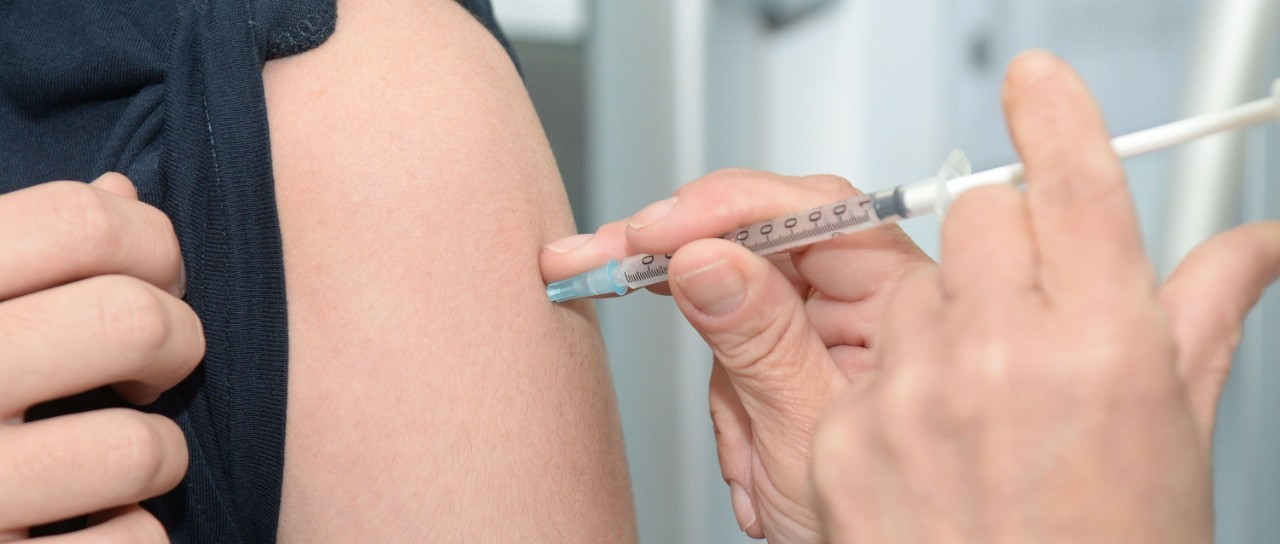
Inyección semestral de colesterol podría reemplazar las estatinas diarias
Un nuevo medicamento, inyectado dos veces al año, podría usarse para reducir el 'colesterol malo' en la sangre, según nuevos hallazgos presentados en la conferencia de la Sociedad Europea de Cardiología en París.
por Ashwin Bhandari

Salud del corazón y vasos sanguíneos
¿Cómo puedo evitar los efectos secundarios de las estatinas?
Todos los medicamentos pueden causar efectos secundarios en algunas personas, y las estatinas tomadas para reducir el colesterol no son una excepción. La Dra. Sarah Jarvis describe los efectos secundarios comunes a corto plazo, lo que su médico puede hacer para ayudar y los efectos secundarios graves de los que debe estar consciente.
por Victoria Raw
Sobre el autor

Danny Chadburn
Jefe de Contenido
Danny fue el anterior Jefe de Contenido en Patient.
Acerca del revisorVer biografía completa

Dra. Sarah Jarvis
Consultora Clínica
MA (Cantab), BM, BCh (Oxon), DRCOG, FRCGP, MBE
Después de formarse en medicina en Cambridge y Oxford, la Dra. Sarah Jarvis MBE se convirtió en médica general.
Historial del artículo
La información en esta página es revisada por pares por clínicos calificados.
Artículo también disponible en Inglés, Alemán, Español, Francés, Italiano, Portugués, Hindi, Hebreo, Árabe, y Sueco.
2 Nov 2017 | Última versión

Pregunta, comparte, conecta.
Navega por discusiones, haz preguntas y comparte experiencias en cientos de temas de salud.

¿Te sientes mal?
Evalúa tus síntomas en línea de forma gratuita
Suscríbete al boletín de Patient
Tu dosis semanal de consejos de salud claros y confiables, escritos para ayudarte a sentirte informado, seguro y en control.
Al suscribirte aceptas nuestros Política de Privacidad. Puedes darte de baja en cualquier momento. Nunca vendemos tus datos.
Más sobre la salud del corazón y los vasos sanguíneos
- Fibrilación auricular explicada
- ¿Puede la levadura de arroz rojo reducir tu colesterol?
- ¿Puedes morir de un corazón roto?
- Los ensayos de medicamentos para el nuevo tratamiento de la miocardiopatía hipertrófica traen esperanza a los pacientes
- Comida saludable de Hanukkah para tu peso, corazón y diabetes
- Videos de corazón y sangre
- Cómo lidiar con el fenómeno de Raynaud en los meses de invierno
- Cómo prevenir las várices
- Cómo comprar para una dieta baja en colesterol
- Cómo detectar un mini-accidente cerebrovascular: signos y síntomas tempranos
- ¿Tu trabajo pone en riesgo tu salud?
- En aumento: qué causa la presión arterial alta en los adultos jóvenes
- La importancia de aprender RCP: Emma cuenta su historia
- Video: Cómo reducir la presión arterial
- ¿Qué es el síndrome del corazón festivo y cómo podría afectar tu Navidad?
- ¿Cuál es la relación entre la menopausia y el colesterol?
- ¿Cuál es la relación entre la salud mental y las enfermedades del corazón?
- Cuando sube el calor, también aumentan los riesgos cardíacos: Lo que necesitas saber
- ¿Qué alimentos ayudan a reducir la presión arterial?
- Por qué la brecha de género en las enfermedades cardíacas está costando vidas a las mujeres