What is the TLC diet and can it improve your heart health?
Peer reviewed by Dr Krishna Vakharia, MRCGPLast updated by Victoria RawLast updated 10 Dec 2024
Meets Patient’s editorial guidelines
- DownloadDownload
- Share
- Language
- Discussion
- Audio Version
- Add to preferred sources on Google
If your cholesterol levels are higher than they should be, you may be more likely to have heart disease. However, there are steps you can take to lower your cholesterol and protect your health. One way is to follow the TLC diet - or Therapeutic Lifestyle Changes diet - to reduce your cholesterol. But what can you eat on the plan, and can it keep your heart healthier?
What is the TLC diet?
The TLC diet is a programme that uses diet, physical activity and weight management to lower cholesterol levels. It was developed by the National Institutes of Health in the US to help reduce your chance of heart disease and stroke. Unlike quick-fix weight loss diets - or fad diets - the TLC diet is more of a lifestyle change and is designed to be followed long-term.
What is cholesterol?
Cholesterol is a natural fatty substance in your blood. It’s produced in the liver and it is also in some of the foods we eat. Cholesterol is important to keep the cells in our bodies healthy, but having high cholesterol means you have too much in your blood. This increases your likelihood of heart disease, heart attack and stroke.
Proteins in the blood carry cholesterol around the body to the cells that need it. When cholesterol and proteins combine, they're called lipoproteins.
There are two main types.
High-density lipoproteins (HDL) - good cholesterol that gets rid of the bad cholesterol from your blood by taking it to the liver where it is removed.
Non-high-density lipoproteins (non-HDL) - bad cholesterol that leads to a build-up of fatty deposits inside the walls of the blood vessels. This narrows the blood vessels, increasing your odds of a heart attack or stroke.
How to follow the TLC diet
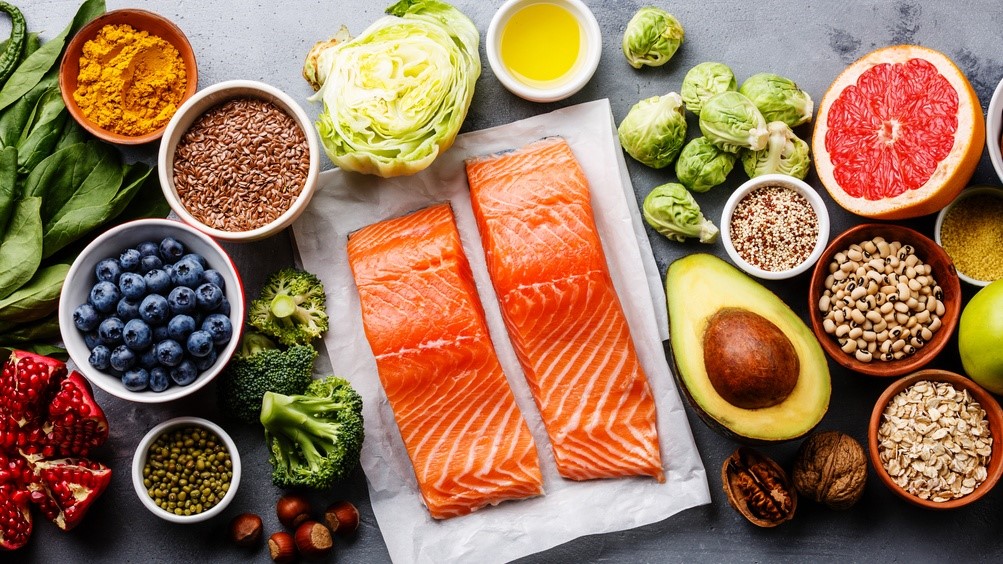
The TLC diet is pretty simple - you need to eat fewer foods containing saturated fats and bad cholesterol, eat more wholegrains, nuts, beans, oats, fruits and vegetables.
Eat fewer foods containing saturated fats and trans fats
Saturated fat can raise your cholesterol and lead to heart disease.
Some foods which are high in saturated fats include: butter, ghee, coconut oil, palm oil, cakes, biscuits, fatty meats, sausages, bacon, cured meats - such as salami - cheese, pastries, cream, creme fraiche, ice cream and chocolate.
UK health guidelines recommend that men should eat no more than 30 grams of saturated fat a day and women should eat no more than 20 grams. A two-finger KitKat chocolate bar contains around 14% of your saturated fat allowance, as well as 11% of your sugar allowance.
Trans fats - or trans fatty acids - are chemically altered vegetable oils used in processed foods. They are produced artificially by a process called hydrogenation, which turns liquid oil into solid fat. You should try to avoid trans fats as much as possible.
Types of foods with high levels of trans fats include: fried foods, takeaways, biscuits, cakes, pies, pastries and hard margarines made with hydrogenated oil.
Eat more whole foods
Adding more vegetables, fruits, beans, lentils, chickpeas and wholegrains to your meals is also a good idea, as it will boost your fibre intake. Switch white bread for a wholemeal version.
Reduce dietary cholesterol
The TLC diet advises cutting down the amount of dietary cholesterol you eat. Dietary cholesterol is found in eggs and shellfish such as prawns. However, the recommendation to avoid dietary cholesterol may be outdated. According to the British Dietetics Association (BDA), updated research suggests dietary cholesterol doesn't make a big difference to the amount of cholesterol in the blood.
Choose low-fat alternatives
The TLC diet also advises eating lower-fat dairy products or dairy alternatives. However, lower fat products like yoghurts often contain added sugar or sweeteners.
Switch up the way you cook
The TLC diet recommends using an oil spray to eat less oil, trimming the fat off your meat before cooking it, or choosing leaner meats like turkey breast. Grilling, poaching or steaming food is healthier than frying it.
Check food packaging
It’s also important to check your food packages - which tell you whether your food contains a lot of saturated fat. Avoiding processed foods will help you cut down your intake of salt and saturated fat.
Eat good fats
Replacing foods containing saturated fats with good fats is also advised to help lower your cholesterol. These healthier foods - like avocado, fish, nuts and seeds - contain fats, but also important minerals, vitamins, fibre and protein. However, some foods that contain good fats may still contain lots of calories - so although they are healthy, they still need to be eaten in moderation.
Exercise
Increasing the amount of exercise you do is also an important part of the TLC diet. Regular physical activity helps you manage your weight and lowers your cholesterol levels. It also improves your heart health and helps to lower your blood pressure. The programme recommends 30 minutes of moderate intensity exercise - like brisk walking, hiking, dancing or water aerobics - every day or most days.
Weight management
Sticking to a healthy diet and keeping active will help you maintain a healthy weight.
Benefits of the TLC diet
Some key components of the TLC diet are known to benefit our health. Fruits, vegetables, wholegrains, nuts, seeds and legumes - and avoiding foods containing saturated fats - have been shown to lower levels of bad cholesterol.
The programme also advises staying physically active and maintaining a healthy weight, which fits with UK guidelines. The current advice in the UK states to do at least 150 minutes of moderate exercise - brisk walking, hiking or mowing the lawn - or 75 minutes of vigorous exercise a week - for example, running or aerobics - spread evenly over 4 to 5 days a week or every day.
Small studies have found the eating programme can have a positive effect on health. One study, which monitored 36 patients over 32 days, was found to lower levels of bad cholesterol by 11%. However, this was a very small study.
Criticism of the TLC diet
Some aspects of the TLC diet have come under criticism for being outdated. Firstly, the premise that dietary cholesterol raises your chance of heart disease no longer holds. Research suggests that saturated fats and sugary foods affect your cholesterol level more than the cholesterol you eat from food such as eggs.
Although the diet suggests eating low-fat alternatives, they often contain a lot of sugar or sweeteners which are bad for our health.
This said, some key components of the diet have been shown to lower bad cholesterol - such as eating less saturated fat and eating more fruit, veg and fibre. You can find aspects of the TLC diet in other eating plans like the Mediterranean diet.
TLC diet recipes
Breakfast: Porridge with blueberries and banana
Oats are filling, tasty and research suggests they can help to lower your cholesterol levels. Make the porridge with skimmed or semi-skimmed milk and top with fruit of your choice. You can add a sprinkling of nuts or seeds for some crunch and texture.
Lunch: Vegetable and bean chilli
There's nothing better than a warm bowl of comforting chilli, especially when the weather turns cold. Make a big batch of chilli with peppers, cubes of butternut squash, sweetcorn, lentils, kidney beans and other vegetables of your choice. Top with Greek yoghurt instead of sour cream.
Dinner: Wholemeal noodles with turkey and vegetables
Instead of a takeaway, whip up a quick noodle dish using fresh, healthy ingredients. Fry strips of turkey breast, broccoli and peppers with soy sauce, chilli flakes, a teaspoon of honey, chopped garlic and minced ginger. Add to cooked, wholemeal noodles for a satisfying dinner.
Patient picks for Diet
Diet and nutrition
What is the Volumetrics diet, and should you try it?
At its core, the Volumetrics diet is about eating more food with fewer calories, so you feel fuller for longer. This idea might sound appealing, but like many diets that make big promises, it comes with pitfalls. While it does offer some health benefits, the Volumetrics approach may not be the best fit for your long-term wellbeing.
by Victoria Raw

Diet and nutrition
What is the Atlantic diet?
The Atlantic diet is all about fresh, simple ingredients and social, sustainable eating. It shares many similarities with its popular southern cousin, the Mediterranean diet - but there are some key differences. Is the Atlantic diet as healthy as the highly praised Mediterranean diet? And why is it so good for both people and planet?
by Amberley Davis
About the authorView full bio

Lydia Smith
Feature writer
BA, MA, MSc
Lydia Smith is an award-winning journalist and feature writer who has written extensively on women's health and mental health. She is currently studying for an MSc in psychology.
About the reviewerView full bio

Dr Krishna Vakharia, MRCGP
Chief Medical Officer for Health, Optum UK
MBChB, MRCGP(2013), BMedSci (hons), DFSRH, DRCOG, PGDipDerm (Distn)
Dr Krishna Vakharia is an NHS GP. She is also a regular examiner for the postgraduate Diploma in Practical Dermatology at Cardiff University as well as being the Chief Medical Officer for health at Optum UK.
Article history
The information on this page is peer reviewed by qualified clinicians.
Article also available in English, German, Spanish, French, Italian, Portuguese, Hindi, Hebrew, Arabic, and Swedish.
Next review due: 10 Dec 2027
10 Dec 2024 | Latest version
6 Oct 2023 | Originally published
Authored by:
Lydia Smith
Join the conversation
Share your thoughts or experiences with others in our patient communities.

Ask, share, connect.
Browse discussions, ask questions, and share experiences across hundreds of health topics.

Feeling unwell?
Assess your symptoms online for free
Sign up to the Patient newsletter
Your weekly dose of clear, trustworthy health advice - written to help you feel informed, confident and in control.
By subscribing you accept our Privacy Policy. You can unsubscribe at any time. We never sell your data.
More in diet and nutrition
- 10 essential nutrients you might be lacking
- 10 everyday foods high in vitamin D
- A vegan diet improves heart health, according to a study of identical twins
- Are juice cleanses good for you?
- Beyond the grape: uncorking the health facts about resveratrol
- Can changing your diet help psoriasis?
- Do you really need to give up sugar?
- Gout diet: foods to eat and avoid
- How big is a portion?
- How to gain weight healthily
- How to get rid of trapped wind: home remedies that work
- How your gut affects your overall health
- Is the food traffic light labelling system useful?
- Mindful eating: how to slow down and enjoy your food
- Most vitamin supplements aren't beneficial for health, study finds
- Probiotics for IBS: do they work?
- The Reducetarian diet: how to eat less meat
- Which foods can reduce your stress and anxiety?
- UpdatedWhich ultra-processed foods are safe - and which should we avoid?
- Why dessert stomach may actually be real