
Vitamina C: beneficios, fuentes y deficiencia
Revisado por Dr Colin Tidy, MRCGPÚltima actualización por Lynn StephenÚltima actualización 3 Aug 2026
Cumple con las directrices editoriales
- DescargarDescargar
- Compartir
- Language
- Discusión
- Ask Patient
- Versión en audio
- Agregar a fuentes preferidas en Google
La mayoría de nosotros sabemos que la vitamina C es buena para nosotros, pero ¿conoces todas las formas en que este nutriente esencial beneficia tu salud? Aquí puedes descubrir lo fácil que es obtener suficiente vitamina C, así como lo que sucede cuando consumes muy poco o demasiado.
¿Qué es la vitamina C?
La vitamina C, también llamada ácido L-ascórbico, es un nutriente esencial que todos necesitamos para gozar de buena salud. Esta vitamina apoya muchas funciones importantes en nuestro cuerpo y ayuda a mantener nuestros vasos sanguíneos, huesos y piel.
Beneficios de la vitamina C
Como la vitamina C desempeña un papel en la salud y el mantenimiento de tantos órganos y sistemas dentro de nosotros, la lista de beneficios de la vitamina C es extensa. Aquí están algunas de las recompensas más importantes que puedes obtener al consumir suficiente de esta supervitamina.
Protección contra enfermedades y dolencias
Vitamin C may protect against certain illnesses and long-term diseases in several ways:
It's an antioxidant that helps to fight inflammation and widens your blood vessels - this can reduce your chance of associated diseases such as presión arterial alta.
It protects against free radicals - these are harmful molecules in your body that can damage cells. Free radicals have a role to play in the development of conditions such as cáncer y enfermedades del corazón.
It boosts your immune system - helping your body to fight a range of illnesses.
Cicatrización de heridas
Vitamin C is used by our bodies to produce colágeno - an important structural protein in our skin, muscles, and bones. One of the ways in which collagen keeps us healthy is by promoting wound healing, helping to mend injuries that break the skin, and other body tissues while protecting us from infecciones.
Piel y huesos fuertes y saludables
Vitamin C benefits also include the general health and strength of our skin and bones. In the skin, its antioxidant properties and role in collagen production helps protect against skin ageing and other skin complaints - this is why you'll find vitamina C en muchos productos para el cuidado de la piel. As an anti-inflammatory, this vitamin can also help to prevent inflammatory artritis and may support people with artrosis.
Absorción de hierro
This nutrient helps our bodies absorb another vital nutrient - iron. We need iron for growth and development, and when we don't absorb enough we may experience weakness, fatigue, and issues with memory and concentration. This health issue is called iron-deficiency and it can lead to long-term complications if left untreated.
Buenas fuentes de vitamina C
We get the vitamin C we need through the food we eat. It's a water-soluble vitamin, meaning that once inside us it dissolves in water and is delivered straight to our body's tissues, but we are unable to store it. For this reason, we need to consume foods with vitamin C content every day in order to stay healthy.
For the best sources of vitamin C, turn to fruit and vegetables.
According to Reema Pillai, dietitian at Dietitian Fit & Co, the following common citrus fruits contain a high dose of vitamin C:
Limones.
Limas.
Naranjas.
Kiwi.
Pomelo.
Ella añade que otras buenas fuentes incluyen:
Pimientos.
Tomates.
Bayas.
Patatas.
Coles de Bruselas.
You can also take daily vitamin C supplements to bolster your vitamin C levels. However, remember that a suplemento dietético is only good for you when taken in addition to - and not instead of - a healthy, nutrient-rich diet.
¿Cuánta vitamina C por día?
Pillai explains that adults need 40 milligrams of vitamin C per day.
"This is usually easy to get through your diet," she says. "For example, one medium orange has around 70-80 milligrams of vitamin C and two kiwis provide more than 130 milligrams of vitamin C."
However, certain people are more likely to not get enough vitamin C through food alone. This makes them more vulnerable to the health issues associated with vitamin C deficiency.
Deficiencia de vitamina C
Not getting enough vitamin C persistently - usually over a period of three months or more - is known as deficiencia de vitamina C.
The following groups have a higher likelihood of this condition:
People with a dependencia del alcohol o otras drogas who may also have a poor diet.
Personas con dietas muy restrictivas.
Personas que fuma regularly.
People with a medical condition that inhibits healthy digestion and absorption of food - such as enfermedad de Crohn.
Personas mayores que comen una dieta menos variada.
Mujeres embarazadas y lactantes ya que necesitan dosis más altas de vitamina C.
Vitamin C deficiency can lead to scurvy, although Pillai adds that the likelihood of developing scurvy in the UK is very low.
Ella describe los síntomas comunes del escorbuto:
Articulaciones doloridas.
Cicatrización retardada de heridas o facilidad para formar hematomas.
Estado de ánimo bajo.
¿Se puede tener un exceso de vitamina C?
Just as it's possible to not get enough vitamin C, you can also consume too much - although this isn't an easy thing to achieve through food alone. Large doses of vitamin C - that exceed 1000 milligrams a day - are most likely the result of taking too many vitamin C supplements. If supplementing, make sure you're not taking more than 75 milligrams a day for a women and more than 90 milligrams a day for a man.
Too much vitamin C can lead to side effects such as diarrea and stomach pain. While uncomfortable and inconvenient, these symptoms tend to be temporary, disappearing once supplementation in large doses is stopped.
Selecciones del paciente para Vitaminas y suplementos
Dieta y nutrición
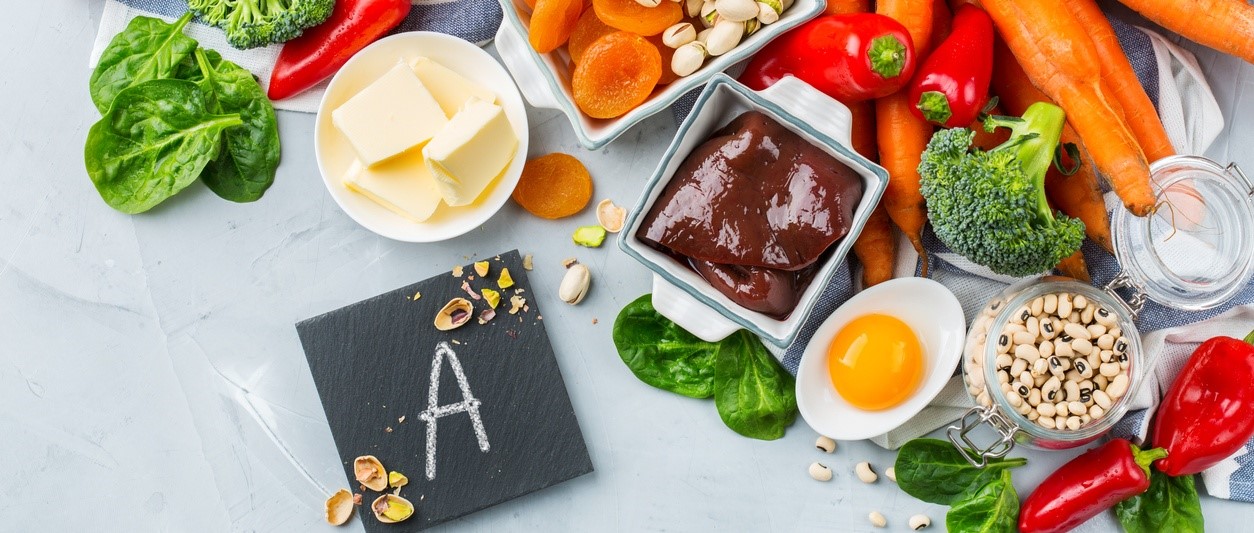
¿Cuáles son los beneficios de la vitamina A?
Nuestros cuerpos necesitan ciertos nutrientes para realizar funciones diarias y sin ellos puedes comenzar a ver algunos problemas de salud. Uno de esos nutrientes es la vitamina A. ¿Cuáles son los beneficios de la vitamina A, de dónde proviene y necesitas tomar suplementos para obtener la cantidad adecuada?
por Andrea Downey
Dieta y nutrición
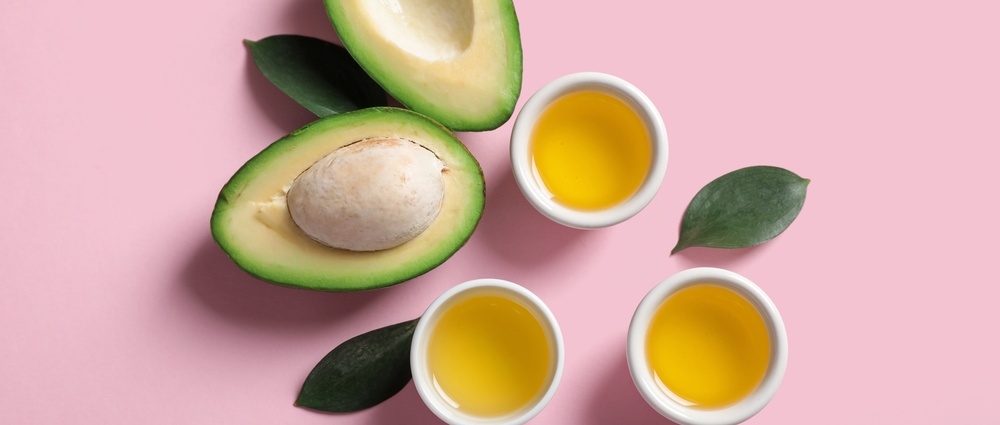
¿Cuáles son los beneficios de la vitamina E?
La vitamina E es un ingrediente muy apreciado en cualquier rutina de cuidado de la piel. Pero también es vital para tu salud y el funcionamiento de tu cuerpo. Descubre por qué y cómo obtener suficiente vitamina E aquí.
por Victoria Raw
Sobre el autorVer biografía completa
Actualizado por

Lynn Stephen
Desarrolladora de contenido
Maestría con Honores
Lynn se unió a Patient en 2023 y su función incluye revisar todos los folletos profesionales, folletos de información para pacientes y folletos de medicamentos, para asegurar la consistencia en la ortografía, gramática, material de referencia y estilo de la marca, trabajando con los autores médicos y el director clínico para coordinar la redacción y revisión por pares de los folletos.
Escrito por

Amberley Davis
Escritora senior
BA (Hons), CPD
Amberley es una escritora senior en Patient y ha escrito extensamente sobre una variedad de temas de salud y bienestar.
Acerca del revisorVer biografía completa

Dr Colin Tidy, MRCGP
Médico General, Autor Médico
MBBS, MRCGP, MRCP (Paediatrics), DCH
El Dr. Colin Tidy es un médico del NHS, con sede en Oxfordshire.
Historial del artículo
Artículo también disponible en Inglés, Alemán, Español, Francés, Italiano, Portugués, Hindi, Hebreo, Árabe, y Sueco.
Next review due: 3 Aug 2029
3 Aug 2026 | Última versión
17 Nov 2022 | Publicado originalmente
Escrito por:
Amberley Davis
Comparte tus pensamientos o experiencias con otros en nuestro comunidades de pacientes.
Acceso sencillo a tratamientos y servicios de salud confiables en línea.
Common conditions
Get help with common conditions through the NHS, without a GP appointment.
 Sinusitis aguda
 Amigdalitis bacteriana
 Impetigo
 Picaduras de insectos
 Herpes zósterInfección del tracto urinario (ITU)
Suscríbete al boletín de Patient
Tu dosis semanal de consejos de salud claros y confiables, escritos para ayudarte a sentirte informado, seguro y en control.
Al suscribirte aceptas nuestros Política de Privacidad. Puedes darte de baja en cualquier momento. Nunca vendemos tus datos.