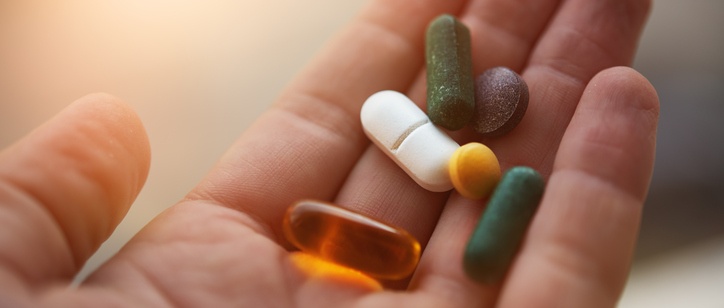
Does your body need vitamin supplements?
Peer reviewed by Dr Hayley Willacy, FRCGP Last updated by Dr Sarah JarvisLast updated 8 Sept 2017
Meets Patient’s editorial guidelines
- DownloadDownload
- Share
- Language
- Discussion
- Audio Version
- Add to preferred sources on Google
We all need vitamins and minerals for a healthy body. Some of them we can store, but some of them need to be eaten daily. So can you get all the vitamins and minerals you need from a balanced diet, or should you be topping up?
The array of vitamins our bodies need to function at top capacity is dizzying - and that's before we get started on minerals like iron. Broadly speaking, they're divided into fat-soluble and water-soluble vitamins.
Your bodies can store supplies of fat-soluble vitamins in your fatty tissues and liver, calling them up and using them when it needs. That means you don't need a daily supply in your diet. Fat-soluble vitamins - A, D, E and K - are largely found in liver and fatty foods such as oily fish, egg yolks, fortified spreads and dairy products.
Vitamin A
Your body can also make vitamin A from beta carotene, found in vegetables such as carrots, peppers, spinach and yellow fruits. Getting enough vitamin A is important for a strong immune system, as well as good eyesight (especially in dim light).
However, if you have too much, your bones may become more brittle and prone to breaking if you fall. Too much vitamin A when you're pregnant can result in birth defects. You don't need supplements if you have a reasonable diet, and you should avoid eating any fish liver oil, liver or liver pate if you're pregnant, or too much if you have osteoporosis.
Vitamin K
Vitamin K is needed for blood clotting, helping you to stop bleeding when you cut yourself. Along with vegetable oils, a huge array of foods including broccoli, spinach, Brussels sprouts and curly kale contain vitamin K. You shouldn't need to take a supplement.
In fact, if you take the blood-thinning medicine warfarin (commonly prescribed if you have an abnormal heart rhythm called atrial fibrillation) you should be careful about eating and of these foods. That's because they can interfere with the effect of warfarin.
Vitamin D
Vitamin D is the exception where supplements are concerned - and that's largely because it's almost impossible to get enough from your diet. It helps keep muscles and bones strong, and may protect against heart disease and even cancer. About 90% of the vitamin D in our bodies is made in our skins when we're exposed to sunlight. So in the UK, you should take a 10 microgram supplement from October to April. If you're over 65, pregnant, breastfeeding, one- to five-years-old, housebound or don't get out much, you should take the same supplement all year round. Your pharmacist can advise you.
Vitamins B and C
All the B vitamins and vitamin C are water-soluble. On the plus side, if you have too much of them, your body just passes them out of your system in your urine, so it's very difficult to get too much of them. On the down side, you need to include them in your diet every day, as your body can't store them. Lots of vegetables are high in vitamin C, but prolonged cooking (especially boiling) means you lose some of the vitamin content of foods.
There are several different B vitamins with a range of functions, mostly related to keeping your blood cells, skin and nervous system in good shape and releasing energy from the food we eat. Most people should be able to get enough from a balanced diet. But if you drink a lot of alcohol, your doctor may prescribe regular supplements of vitamin B and Thiamine. That's because when your body processes alcohol, it uses up a lot of vitamin B.
Fizzy vitamin tablets contain a lot of salt. If you do take supplements, consider changing to a non-effervescent version. All pregnant women should take a folic acid supplement until 3 months into pregnancy - ideally starting before you get pregnant.
If you have osteoporosis, your doctor may recommend calcium and vitamin D supplements - particularly if you don't eat a lot of dairy foods. If you have heavy periods, you may need regular iron supplements. Otherwise, rather than making for the supplements aisle, stock up on fruit, veg and wholegrains instead to get a healthy dose of vitamins!
With thanks to 'My Weekly' magazine where this article was originally published.
Patient picks for Vitamins and supplements

Diet and nutrition
Can probiotics treat obesity and diabetes?
It can take some big lifestyle changes to look after your health when you have obesity or diabetes. But what if probiotics can support your journey to healthy weight loss, lower cholesterol levels, and improve insulin sensitivity and blood sugar management?
by Victoria Raw
Diet and nutrition
What vitamins do I need?
We hear so much about the importance of a healthy balanced diet. Eating a good amount of fruit and veg goes without saying. They're packed full of vitamins and minerals, and because they all have different nutrients, a wide variety gives the best benefits. Almost half of us take at least one vitamin or mineral supplement, but do we really need them?
by Victoria Raw
About the authorView full bio

Dr Sarah Jarvis
Clinical Consultant
MA (Cantab), BM, BCh (Oxon), DRCOG, FRCGP, MBE
After training in medicine at Cambridge and Oxford, Dr Sarah Jarvis MBE became a GP.
About the reviewerView full bio

Dr Hayley Willacy, FRCGP
General Practitioner, Medical Author
MBChB (1992), DRCOG, DFFP, MRCOG (Part 1) MRCGP (2007), DFSRH (2013), MSc - medical education (2020)
Dr Hayley Willacy was an NHS GP working in northwest England, who retired from clinical practice in 2022 after 30 years.
Article history
The information on this page is peer reviewed by qualified clinicians.
Article also available in English, German, Spanish, French, Italian, Portuguese, Hindi, Hebrew, Arabic, and Swedish.
8 Sept 2017 | Latest version
Join the conversation
Share your thoughts or experiences with others in our patient communities.

Ask, share, connect.
Browse discussions, ask questions, and share experiences across hundreds of health topics.

Feeling unwell?
Assess your symptoms online for free
Sign up to the Patient newsletter
Your weekly dose of clear, trustworthy health advice - written to help you feel informed, confident and in control.
By subscribing you accept our Privacy Policy. You can unsubscribe at any time. We never sell your data.
More in diet and nutrition
- 5 quick and healthy meals for students
- Dietitians, nutritionists and nutritional therapists: what is the difference?
- Health benefits of garlic
- Health-boosting ginger shots: fad or fact?
- How does diet affect dementia?
- How much water should you drink a day?
- How to choose healthy snacks for you and your kids
- How to make healthy roast potatoes
- How to make healthy stuffing
- How to shop for a low cholesterol diet
- How to stop binge eating
- Our favourite summer recipes
- Should you take probiotics for pregnancy?
- Signs you’re not drinking enough water
- The truth about the fat in your diet
- What are the pros and cons of taking supplements?
- What not to say to someone who is vegan
- What's the healthiest high street Christmas sandwich?
- Which pregnancy vitamins do I really need?
- Your diet and the menopause