Cómo ventilar de manera segura para protegerse contra el COVID-19 este invierno
Revisado por Dra. Sarah JarvisEscrito por Emily Jane BashforthPublicado originalmente 22 Oct 2021
Cumple con las directrices editoriales
- DescargarDescargar
- Compartir
- Language
- Discusión
- Ask Patient
- Versión en audio
- Agregar a fuentes preferidas en Google
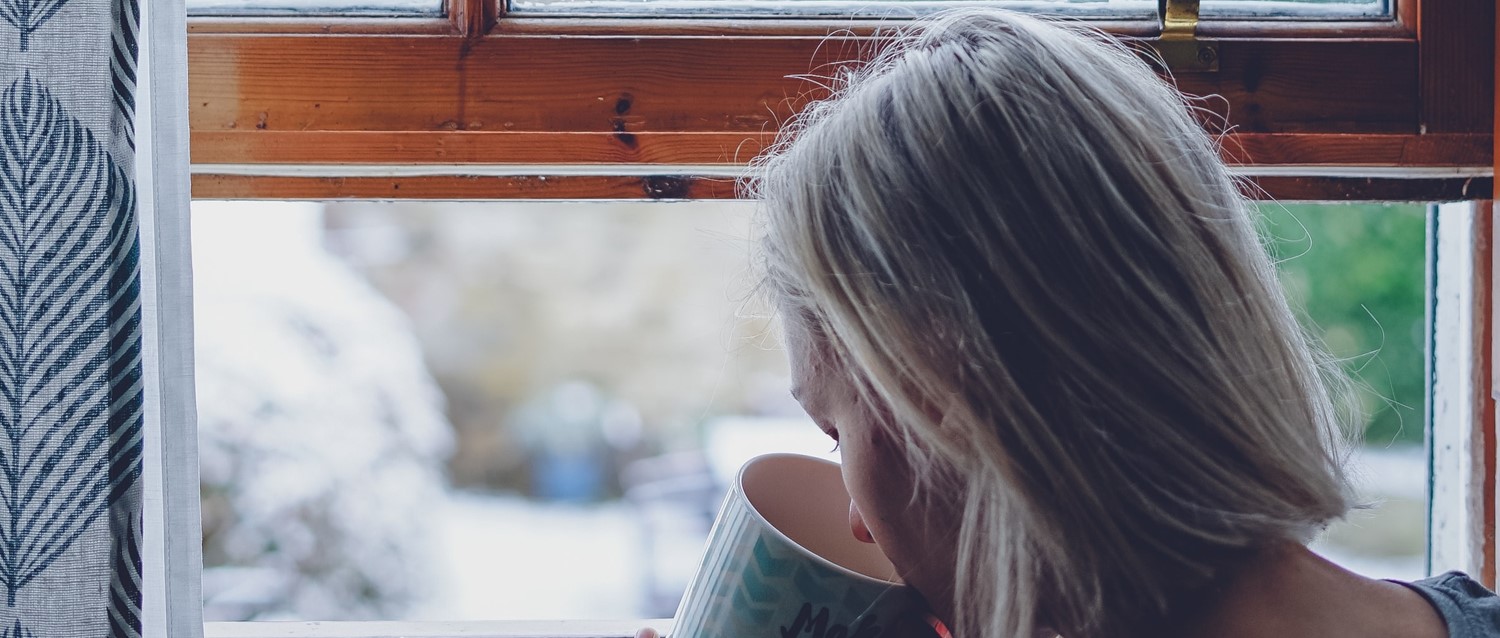
Las temperaturas están comenzando a bajar y la temporada de chocolate caliente y calcetines acogedores está sobre nosotros. Sin embargo, con la COVID-19 aún muy presente, es importante seguir ventilando durante el invierno para minimizar el riesgo de infección. Ventilar durante todo el año también puede tener beneficios más amplios para tu salud. Entonces, ¿cómo puedes hacerlo de manera segura?
Selecciones de videos para Información generalBiblioteca de videos
Why is it important to ventilate during winter?
Dr Benjamin Jones stresses the importance of ventilating all year round. Yes, even when it's cold outside.
Ventilating is the process of introducing fresh air into an indoor space and removing stale air. It helps keep us at a comfortable temperature during summer. It also ensures there is enough oxygen when we are burning things, such as open fires, wood burning stoves and central heating boilers. But ventilating also removes indoor contaminants such as odours and gases.
Dr Jones says if a room smells of body odours, that is a sign that it is under-ventilated.
"In winter the outdoor air is cold, so we have to pay extra attention to ventilation because people tend to close windows, doors and vents to keep themselves at a comfortable temperature. There is a financial cost though, because in the winter, a heating system is needed to warm up this outdoor air. This may also stop people from opening a window or a vent."
How does ventilation reduce the risk of COVID?
"An infected person exhales particles that contain the virus. In the same way that you are more likely to smell what one might call 'coffee breath' at close quarters, you are more likely to catch COVID-19 by coming into direct contact with an infected person's exhaled air," says Dr Jones.
This is because the virus is more concentrated in exhaled air than when breathing it in once it has been diluted by the air within a room.
Ventilation is not the only way of removing COVID-19 particles. Dr Jones says they will denature (which is like dying, although viruses aren't alive) as they deposit on surfaces and can be filtered.
But he highlights that ventilation is generally the primary removal mechanism for COVID-19 particles, particularly in spaces where you're in close contact with others. In poorly ventilated areas, the amount of the virus can build up, especially if multiple infected people are all in the same room.
The virus can also remain in the air even after an infected person has left that room. This means it's important to understand how ventilating can keep you and your loved ones safe as the winter approaches. Dr Jones notes that improving the ventilation in poorly ventilated spaces has a greater effect on a your risk of catching COVID-19 than increasing ventilation in adequately ventilated spaces.
What are the simplest ways to ventilate?
Dr Jones says building ventilation - the process of bringing outdoor air inside - is the simplest way to ventilate against COVID-19. This can be done by opening a window or door, a trickle vent (a slot located in the window frame) or a vent.
"Interestingly, you can still get a lot of ventilation when the window is cracked open - it doesn't have to be wide open. Other ventilation systems in the home are the bathroom extractor fan, the kitchen extractor fan and a cooker hood, but you should check that this is actually connected to the outside and doesn't just recirculate air."
How can those more susceptible to the cold continue to ventilate safely?
It's understandable that those more susceptible to the resfriado and those at risk of hipotermia, particularly elderly people, may be reluctant to open a window. However, Dr Jones says ventilation is still necessary.
"Understandably, you may only want to open them a crack, but this is better than nothing. You should move away from the draught, put on extra layers of clothing and turn up the central heating. Top-opening windows are best in winter. Then, any incoming air warms up before it reaches occupants."
What is the recommended room temperature?
Although it is important to ventilate, you should also keep your rooms at a safe temperature, particularly if you are elderly and therefore more prone to hypothermia. The cold can increase blood pressure which increases the risk of a stroke or heart attack. Breathing in cold air can also put you more at risk of chest infections.
Edad UK suggests 18°C (64°F) is the ideal temperature for your bedroom and 21°C (70°F) is the ideal living room temperature. These temperatures can be checked using your thermostat or a room thermometer.
To economise and prevent wastage, you might want to only heat rooms you are in, to avoid paying to heat rooms that are empty. However, if you are going to be in a room for a lengthy period of time, it is a good idea to heat it before going in, so you don't have to wait for it to warm up.
Do bear in mind, though, that leaving one room heated and other rooms cold can result in condensation, damp and sometimes a build-up of mould in unheated rooms. Low level heating in unused room, as well as improving your ventilation, can reduce this risk.
What other health problems can poor ventilation cause?
Poor ventilation of polluted air can also lead to:
A dry throat.
Concentration disorders.
Somnolencia.
Crónico resfriados.
Respiratorio infections.
Developments of asma u otro lung diseases.
Dr Jones explains how spending 90% of our time in buildings, exposed to airborne contaminants, can further harm our health.
"Some contaminants, such as carbon monoxide and mould, are harmful in the short term. Others are harmful in the long term and can lead to long-term respiratory diseases, such as fine particulates, formaldehyde, radon, and tobacco smoke. Removing the source of the contaminant, such as tobacco smoke, is the best method of reducing your exposure.
When this is impossible, then ventilation such as a cooker hood can be used to remove contaminants at their source, or to dilute them once they are mixed in the air. Poor ventilation leads to the build-up of contaminants, which can cause damage to multiple aspects of your health."
Selecciones del paciente para Información general
COVID-19
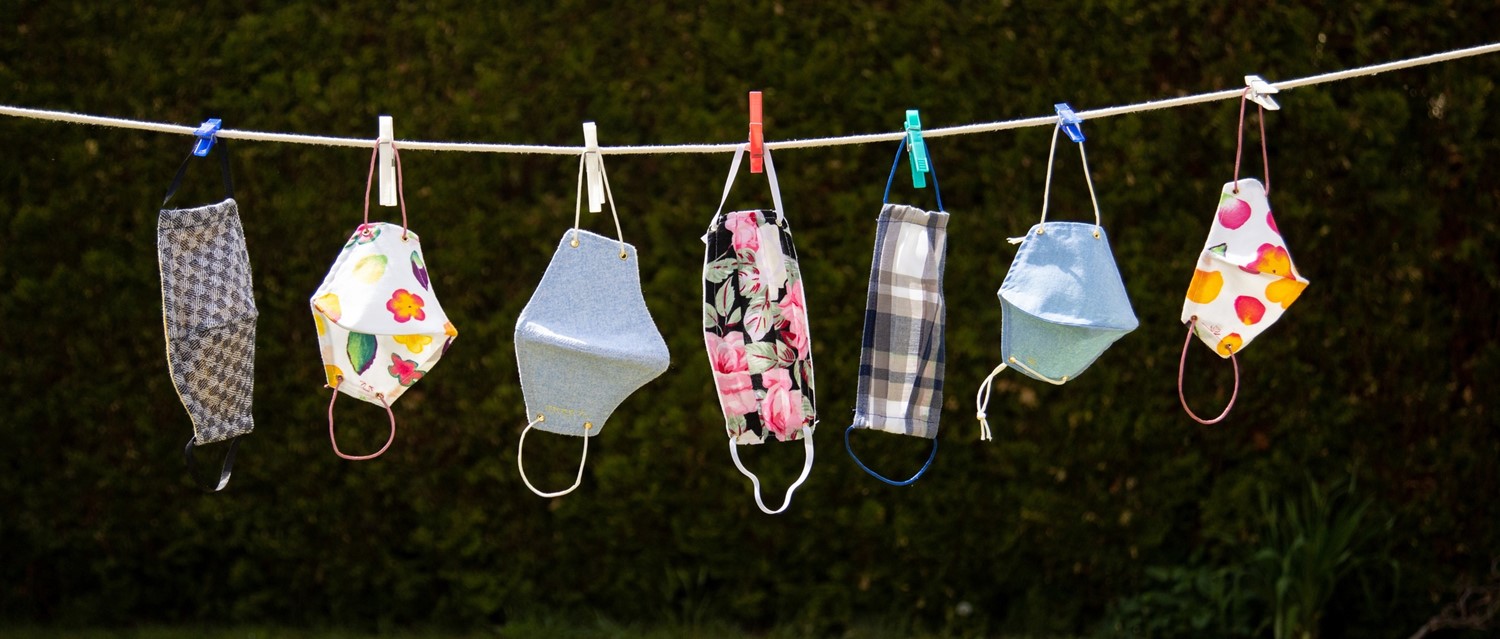
Cómo elegir la mascarilla facial adecuada para ti
Las mascarillas y cobertores faciales se han convertido en una vista familiar en el último año mientras todos trabajamos juntos para controlar la pandemia de coronavirus. Pero con tantos en el mercado, ¿algunas mascarillas son mejores que otras y qué deberías buscar en una mascarilla?
por Milly Evans
COVID-19
Cómo mantener un estilo de vida de confinamiento
A pesar de las crisis en casa, en el trabajo y en nuestra salud, el confinamiento nos obligó a encontrar nuevos pasatiempos y hábitos, y a renunciar a compromisos o muletas de las que estábamos aburridos. A medida que se levantan las restricciones en torno a la variante Delta, los expertos explican formas de aferrarse a lo mejor de un mal año.
por Ellie Broughton
Sobre el autorVer biografía completa
Escrito por

Emily Jane Bashforth
Redactora de artículos
NCTJ
Emily es una redactora de artículos destacados en Patient, escribiendo sobre una variedad de temas relacionados con la salud y el bienestar.
Acerca del revisorVer biografía completa

Dra. Sarah Jarvis
Consultora Clínica
MA (Cantab), BM, BCh (Oxon), DRCOG, FRCGP, MBE
Después de formarse en medicina en Cambridge y Oxford, la Dra. Sarah Jarvis MBE se convirtió en médica general.
Historial del artículo
Artículo también disponible en Inglés, Alemán, Español, Francés, Italiano, Portugués, Hindi, Hebreo, Árabe, y Sueco.
22 Oct 2021 | Publicado originalmente
Escrito por:
Emily Jane BashforthRevisado por
Dra. Sarah Jarvis
Comparte tus pensamientos o experiencias con otros en nuestro comunidades de pacientes.
Suscríbete al boletín de Patient
Tu dosis semanal de consejos de salud claros y confiables, escritos para ayudarte a sentirte informado, seguro y en control.
Al suscribirte aceptas nuestros Política de Privacidad. Puedes darte de baja en cualquier momento. Nunca vendemos tus datos.