
¿Dependes demasiado de los analgésicos?
Revisado por pares por Dr Krishna Vakharia, MRCGPEscrito por Dra. Sarah JarvisPublicado originalmente 30 Ene 2023
Cumple con las directrices editoriales
- DescargarDescargar
- Compartir
- Language
- Discusión
- Versión en audio
- Agregar a fuentes preferidas en Google
Casi todos nosotros hemos tomado analgésicos en algún momento de nuestras vidas, y ciertamente pueden ofrecer alivio a corto plazo del dolor. Pero la guía nacional de NICE (el Instituto Nacional para la Excelencia en Salud y Atención) anima a los médicos a evitarlos para muchas personas con dolor. No es porque quieran que alguien sufra, ni mucho menos. Es por el riesgo de volverse adicto a los analgésicos recetados, lo que puede causar incluso más problemas que el dolor original.
There's no question that use of illegal drugs is widespread: in England and Wales, around 1 in 11 16-59 year-olds (around 3 million people) and 1 in 5 16-24 year-olds - around 1.1 million people - reported using drugs in the year ending June 2022. 862,000 of these are frequent drug users who take illicit drugs at least once a month. Although more than 4 in 10 16-24 year-olds y 16-59 year-olds who take these drugs do so only once or twice a year.
Is there a problem with prescription painkillers?
In addition to illicit drug use and use of legal recreational drugs, millions of people in the UK take painkillers regularly. A 2021 survey found that 1 in 10 UK residents have overused prescription pain medication. The government was so concerned about painkiller addiction that in 2015 it set up an All-Party Parliamentary Group on prescribed drug dependence. The government believes that if the issues continue, we could be heading for a public health disaster along the lines of that seen in the USA.
What are strong painkillers?
There are many different types of painkiller. 'Non-opioid' painkillers such as paracetamol are not addictive. Neither are non-steroidal anti-inflammatory medicines (NSAIDs) such as ibuprofen. However, for severe pain, stronger painkillers called opioides are often prescribed. These medicines are related to morphine and include codeína, dihidrocodeína, tramadol, morfina, fentanyl, oxicodona, buprenorfina y diamorfina.
What are the risks of opioid painkillers?
Prescriptions for opioid painkillers aumento from three to 23 million between 1991 and 2014. Even though by 2018 they were slowly starting to fall, levels are still much higher than they were 25 years ago. Sometimes these are prescribed for a fairly short period - say, to cope with pain while recovering from surgery. Sometimes the risk of addiction is much less than the need to control pain completely - for instance, in people with cancer needing end-of-life care.
But chronic pain affects between 1 in 2 and 1 in 3 adults in the UK - just under 28 million people. The most common reason for chronic pain is muscle and joint problems - musculoskeletal conditions. Symptoms of artrosis, espalda y neck pain can last for years and paracetamol makes little difference. In fact, national guidance recommends that paracetamol shouldn't be prescribed for back pain or osteoarthritis because it doesn't work.
As a consequence, many patients turn to stronger, opioid painkillers.
Unfortunately, all of these carry a risk of painkiller addiction - and the stronger they are the greater the risk. Most people never imagine they can become addicted to medicines prescribed by a doctor, but that's not true.
What are addictive drugs?
Addictive drugs share certain properties. As time goes on, you become tolerant of the drug - in other words, you need higher and higher doses to have the same effect. If you don't get the drug, you start to crave it - you can't think about anything other than your next dose. And if you stop it suddenly, it leads to withdrawal symptoms.
Because strong painkillers are so addictive, they have less and less effect as time goes on. That means the dose you were prescribed may not control your pain. The longer you've been taking a painkiller, and the higher the dose, the more likely it is that you will find yourself relying on them.
What are the signs of painkiller addiction?
Signs of painkiller addiction may come on gradually, but over time they start to have more and more impact on your ability to function. They can be broadly divided into behavioural, psychological, physical and cognitive.
Behavioural symptoms include:
Taking a higher dose of medication than you've been prescribed.
Running out of medicine early.
Exaggerating your pain to get more medicine.
Borrowing painkillers from friends.
Going to multiple pharmacists to get supplies of non-prescription opioid painkillers.
Hiding medicine or medication packaging.
Thinking about your medication, and when you can get your next dose, all the time.
Spending less time with family and friends.
Psychological symptoms include:
Cognitive symptoms include:
Feeling confused or disorientated.
Te cuesta concentrarte.
Making poor decisions.
Having hallucinations or delusions.
Physical symptoms include:
Problems sleeping or sleeping too much.
Feeling itchy.
Excess sweating.
Being off your food.
Pinpoint pupils.
What should I do if I'm worried about painkiller addiction?
If you're concerned about your painkiller intake, do speak to your doctor. They are very used to helping people with this sort of problem, and they won't judge you. Instead, they can help work with you to develop a plan to reduce or even stop your tablets.
The process isn't quick and you'll need to tail off slowly. Your doctor can also help with other non-drug treatments that can help your pain. For instance, fisioterapia, ejercicio regular and sometimes counselling have been found to be very effective for helping many people manage pain.
Con agradecimientos a la revista 'My Weekly' donde este artículo fue publicado originalmente.
Selecciones del paciente para Información sobre medicamentos

Tratamiento y medicación
¿Deberías preocuparte por la adicción a los analgésicos?
Gracias a los analgésicos, podemos aliviar muchos tipos de dolor que aquejaron a nuestros antepasados. Pero la adicción a los analgésicos es un riesgo serio si los tomas durante demasiado tiempo. ¿Cómo saber si eres adicto y qué puedes hacer?
por Amberley Davis
Tratamiento y medicación
¿Realmente funciona la medicina herbal?
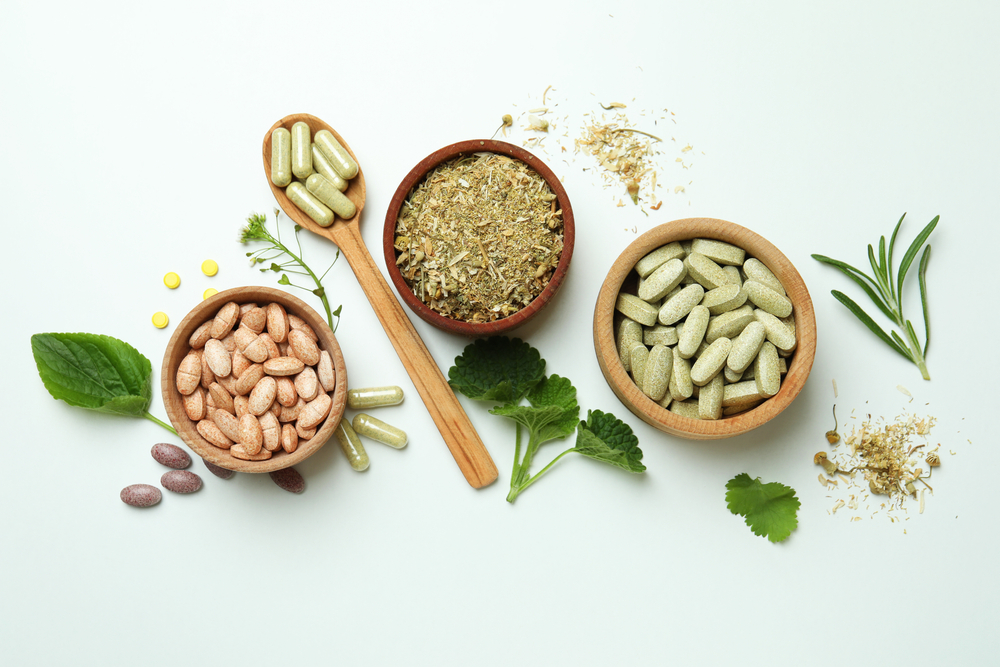
Herbal medicines have been used for centuries to treat a wide range of health conditions. Many people choose them because they're seen as a natural alternative to conventional medicine. But do herbal medicines actually work - and are they safe to take?
por Heather Ainsworth
Sobre el autorVer biografía completa

Dra. Sarah Jarvis
Consultora Clínica
MA (Cantab), BM, BCh (Oxon), DRCOG, FRCGP, MBE
Después de formarse en medicina en Cambridge y Oxford, la Dra. Sarah Jarvis MBE se convirtió en médica general.
Acerca del revisorVer biografía completa

Dr Krishna Vakharia, MRCGP
Director Médico de Salud, Optum UK
MBChB, MRCGP(2013), BMedSci (hons), DFSRH, DRCOG, PGDipDerm (Distn)
La Dra. Krishna Vakharia es una médica general del NHS. También es examinadora habitual del Diploma de Posgrado en Dermatología Práctica en la Universidad de Cardiff, además de ser la Directora Médica de salud en Optum UK.
Historial del artículo
La información en esta página es revisada por pares por clínicos calificados.
Artículo también disponible en Inglés, Alemán, Español, Francés, Italiano, Portugués, Hindi, Hebreo, Árabe, y Sueco.
30 Ene 2023 | Publicado originalmente
Escrito por:
Dra. Sarah JarvisRevisado por pares por
Dr Krishna Vakharia, MRCGP

Pregunta, comparte, conecta.
Navega por discusiones, haz preguntas y comparte experiencias en cientos de temas de salud.

¿Te sientes mal?
Evalúa tus síntomas en línea de forma gratuita
Suscríbete al boletín de Patient
Tu dosis semanal de consejos de salud claros y confiables, escritos para ayudarte a sentirte informado, seguro y en control.
Al suscribirte aceptas nuestros Política de Privacidad. Puedes darte de baja en cualquier momento. Nunca vendemos tus datos.
Más sobre tratamiento y medicación
- 4 consejos de primeros auxilios para una Navidad segura y alegre
- ¿Son buenos los batidos de proteínas para perder peso?
- Terapia de arte: formas creativas de mejorar tu salud mental
- ¿Puede la hipnoterapia ayudar con el insomnio?
- Un químico encontrado en el cannabis podría ser más efectivo que los analgésicos
- Actualizado¿Realmente funciona la medicina herbal?
- Tener relaciones sexuales después de una vasectomía
- Fiebre del heno: cómo puede ayudar tu farmacéutico
- ¿Cómo funciona Mounjaro para la pérdida de peso?
- ¿Cómo funciona Wegovy para la pérdida de peso?
- Cómo dejar de tomar Mounjaro o cambiar a una alternativa
- Cómo la cirugía para perder peso cambió mi vida: la historia de Gemma
- ¿Es el ASMR el secreto de la felicidad sensorial?
- Uno de cada cuatro adultos recibe medicamentos adictivos recetados
- Recetas: tus preguntas respondidas
- ¿Debería prohibirse la cirugía de malla vaginal?
- Entendiendo el EMDR: ¿cómo pueden los movimientos oculares ayudar a procesar el trauma?
- ¿Qué sucede cuando dejas de tomar inyecciones para perder peso?
- ¿Qué es la fisioterapia por video y a quién puede ayudar?
- ¿Quién es elegible para las inyecciones para perder peso?