Skin ulcers
Peer reviewed by Dr Surangi Mendis, MRCGPLast updated by Dr Doug McKechnie, MRCGPLast updated 26 Sept 2023
Meets Patient’s editorial guidelines
- DownloadDownload
- Share
- Language
- Discussion
- Audio Version
- Add to preferred sources on Google
An ulcer is a break in the skin, through which the underlying tissues can be seen. There is usually a problem affecting the normal healing of the skin. There are a number of different types of skin ulcers. Treatment may vary depending on the type of ulcer.
At a glance
A skin ulcer is an open sore on the skin that does not heal on its own.
Symptoms can include pain, bleeding, discharge, smell, and itch.
Ulcers can be caused by poor blood circulation, injury, cancer, infection, or inflammation.
Different types include venous, arterial, neuropathic, pressure, malignant, and inflammatory ulcers.
Treatment involves dressing the ulcer, pain relief, and addressing the underlying cause.
Complications can include infection, pain, and psychological problems.
Some skin ulcers can be prevented by managing underlying conditions or protecting the skin.
Skin ulcer symptoms
A skin ulcer is an open sore of the skin. Skin ulcers can cause:
Pain.
Bleeding.
Discharge.
Smell.
Itch.
Causes of skin ulcers
When we get an injury or cut to the skin, it usually heals on its own. When this doesn't happen, an ulcer can form. Usually, there is an underlying problem which causes the skin to be slow to heal. Causes include:
Blood circulation
The blood supply coming to the skin is needed for the skin to heal after it has become broken or split for any reason. If there is poor blood circulation, the break in the skin cannot heal, and may persist, leaving an ulcer. This may be a problem with the veins, the arteries, or the smaller blood vessels.
Injury or pressure
Most ulcers start off with an injury to the skin. Some are minor; a little scratch or bite for example, which doesn't properly heal for some reason, such as a circulation problem as above. Others may be larger skin injuries, or injuries which extend more deeply to tissue under the skin.
Cancer
These types of skin ulcers are called malignant skin ulcers. They may be caused by skin cancers, or by spread of cancer from elsewhere. Cancers which can spread to the skin include breast cancer, and cancers of the head and neck or genital areas.
Infections
Sometimes, a skin infection can cause an ulcer to form, and ongoing infection can prevent it from healing. Other times, an existing ulcer, caused by something else, can become infected, making it worse - see "What are the complications of ulcers?" below.
Inflammation and immune problems
Rarely, inflammation, such as from autoimmune conditions, can cause skin ulcers. One such condition is called pyoderma gangrenosum.
Types of skin ulcers
Venous ulcers
These ulcers and their treatment are described in the separate leaflet called Venous Leg Ulcers. They occur when the circulation in the legs is not working very well. Fluid tends to pool in the legs because the veins don't work well enough to pump the blood efficiently back to the heart (venous insufficiency). This type of ulcer is more common in people with varicose veins that have led to associated skin problems such as varicose eczema. They are also more common in people who are overweight or obese, or not very mobile for any reason. They can also occur when the circulation is damaged by a deep vein thrombosis (DVT).
Arterial ulcers
These are caused by conditions affecting arteries - see the separate leaflet called Peripheral Arterial disease. Narrowing or blockages in the arteries prevents enough oxygen from getting to the skin (usually of the feet), causing the skin and underlying tissues to die and form an ulcer.
Neuropathic ulcers
Some injuries to the skin occur because there is a problem with the feeling (sensation) in the skin. People who can't feel their feet, for example, may not be able to tell that a shoe is too tight, or the bath is too hot. So, they end up with a blister or a burn, which can go on to become a skin ulcer, particularly if the circulation is not very good. Ulcers caused in this way are called neuropathic ulcers. Diabetes is the most common cause. See the separate leaflet called Diabetes, Foot Care and Foot Ulcers.
Pressure sores (pressure ulcers/decubitus ulcers)
These are a common type of skin ulcer. Areas of skin become damaged due to a continuous pressure on them, usually due to a person not being able to move well. See the separate leaflet called Pressure Sores.
Malignant ulcers
This is a rarer type of skin ulcer. This is caused by cancer. They can be due to skin cancer (that started in the skin), or due to a cancer that has spread to the skin from elsewhere.
Inflammatory ulcers
Rarely, ulcers can be caused by excess inflammation in the skin. This can happen for lots of reasons, including autoimmune conditions. Examples include:
Vasculitis - inflammation of blood vessels. This can cause vasculitic ulcers.
Rheumatoid ulcers, due to rheumatoid arthritis.
Pyoderma gangrenosum - a condition where the body produces too much inflammation in response to a minor injury. It's not fully understood why this happens, but it happens more commonly in people with rheumatoid arthritis, inflammatory bowel disease, and other inflammatory and autoimmune conditions.
Necrobiosis lipoidica, a rare inflammatory condition that occurs mostly in people with diabetes.
Infectious ulcers
Some ulcers are caused by an infection. This is rare in the UK. Examples include:
Tuberculosis affecting the skin.
Tropical ulcers, caused by infection with several different organisms, and found only in tropical climates (although they might, rarely, occur in someone who has returned from a trip to a tropical country).
Are skin ulcers contagious?
Skin ulcers caused by an infection are contagious, but these are very rare, especially in the UK. So, most skin ulcers in the UK are not contagious.
Skin ulcer treatment
Treatment involves:
Dressing the ulcer in a way that encourages wound healing.
Painkillers if needed.
Treating the underlying condition.
Treatment will be different depending on the underlying cause. For example, in venous ulcers, compression bandages may be helpful as they help circulation, whereas this treatment is not used for malignant skin ulcers.
Dressing the ulcer
In most persisting ulcers, a nurse will do the dressing or advise which dressings are best used. Certain dressings promote healing in certain situations.
Some types of ulcer are cleansed (washed) at every dressing. In others, cleansing the ulcer is not always needed but may be required to remove any debris or dead tissue or dirt within it. In most cases warm water is the best cleaning fluid but sometimes a specially formulated salt (saline) solution is used. After cleansing, a dressing is usually placed over the ulcer.
The type of dressing will then depend on where the ulcer is and what type of ulcer it is, whether there are any complications (such as bleeding or infection) and the condition of the surrounding skin.
If the ulcer is painful or bleeding, a dressing which will not stick to it too much is used.
If the ulcer becomes infected or at risk of infection, certain dressings with antiseptic properties may be used - for example, dressings containing silver, iodine or honey.
If the ulcer is producing a lot of gunk or discharge, a specially absorbent dressing may be used.
Some dressings help to absorb any dead tissue (slough) produced so that this does not need to be removed manually.
If the ulcer is bleeding, there are certain dressings which can help stop this - for example, those containing a substance called alginate.
Special charcoal dressings may be used to absorb unpleasant smells. The charcoal fibres trap the gas molecules which cause the smell. However, frequent dressing changes may be needed, as charcoal dressings do not work so well if they become wet with discharge.
For venous leg ulcers compression bandages are used to help the circulation.
Dressings are changed only as often as necessary to help manage pain, smell, infection and any discharge coming from the ulcer. If they are very gunky then frequent dressing changes may be needed.
Medicines
In some circumstances, medication may be helpful.
If there is infection in or around the ulcer, an antibiotic may be used.
Painkillers may be needed if the ulcer is causing pain or if dressing changes are painful. The painkiller needs to be given at least half an hour before the dressing change so it is effective when needed.
Very occasionally a medicine called pentoxifylline is prescribed for venous leg ulcers, along with compression bandages.
Moisturising creams help to prevent dry skin cracking, which can lead to further ulceration.
Steroid creams are sometimes used to help with itch or with varicose eczema. They can only be used for short periods of time and where the skin is not infected. Steroid creams can lead to thinning of skin if used in excess, and can make infections worse.
Other treatments
For cancerous ulcers, sometimes other treatments are used to target the cancer directly, such as radiotherapy, chemotherapy, hormone therapy or removal by operation.
For ulcers caused by an inflammatory disease, like pyoderma gangrenosum, immune-suppressing medicines such as steroids, cyclosporin, and biologic medicines are sometimes used.
What are the complications of skin ulcers?
Complications include:
Infection. This may further slow the healing of the ulcer and make it more painful and smelly. It may affect the skin around it, making it red, and there may be a discharge of a gunky smelly material from the ulcer. If an infection is suspected, a swab is usually taken on a stick rather like a cotton bud and sent to the laboratory for analysis. The swab result can confirm the presence of germs and recommend the right antibiotic treatment.
Infection can spread to the skin. This is called cellulitis.
Infection can spread to the bone. This is called osteomyelitis.
Occasionally infection can spread and become widespread, causing sepsis.
Pain. This can usually be managed with suitable painkillers.
Psychological problems. Depending on the severity and cause, ulcers can cause low mood, depression, anxiety, low self-esteem, being unable to work and loss of mobility.
What is the outlook (prognosis)?
This will very much depend on the cause of the ulcer and how severe the underlying problem is. Some ulcers heal completely with the right treatment. Some may persist for many years. Cancerous ones may spread.
Can skin ulcers be prevented?
There are different strategies for preventing the different types of skin ulcers. Many can be prevented. For example:
Avoiding excessive exposure to sun helps in avoiding cancerous skin ulcers - for example, protecting skin with sunscreen and/or clothing, and wearing hats where appropriate. See the separate leaflet called Sun and Sunburn.
Ulcers related to diabetes can be prevented by good control of the diabetes through lifestyle and medication where required. If there are problems with feeling the feet (sensation changes) then strategies to avoid injuring the feet without realising it help to prevent ulcers. For example, wearing well-fitting shoes and slippers, and inspecting the feet and legs regularly. Regular foot checks are recommended for people with diabetes to pick up problems early.
Circulation in the legs is improved by regular exercise and keeping weight within a healthy range. Not smoking is also very important in maintaining a healthy circulation, as smoking is the main cause of peripheral arterial disease.
Protecting skin from being dry and scaly - for example, with moisturising creams (emollients) - helps to prevent the breaks in the skin which can lead to an ulcer. This is helpful particularly in people with varicose eczema or poor circulation.
Avoiding the same position for long periods of time helps to prevent pressure ulcers. For those who are not very mobile, a health professional can advise on strategies to avoid pressure ulcers.
Patient picks for Other skin conditions

Skin, nail and hair health
Corns and calluses
Corns and calluses on the feet are thickened areas of skin that can become painful. They are caused by excessive pressure or rubbing (friction) on the skin and can lead to foot problems, especially on walking. The common cause is wearing ill-fitting shoes. A person who is qualified to diagnose and treat foot disorders (a podiatrist) can cut away (pare) corns and calluses and can advise on footwear, shoe inserts and padding to prevent recurrences.
by Dr Colin Tidy, MRCGP
Skin, nail and hair health
Acne
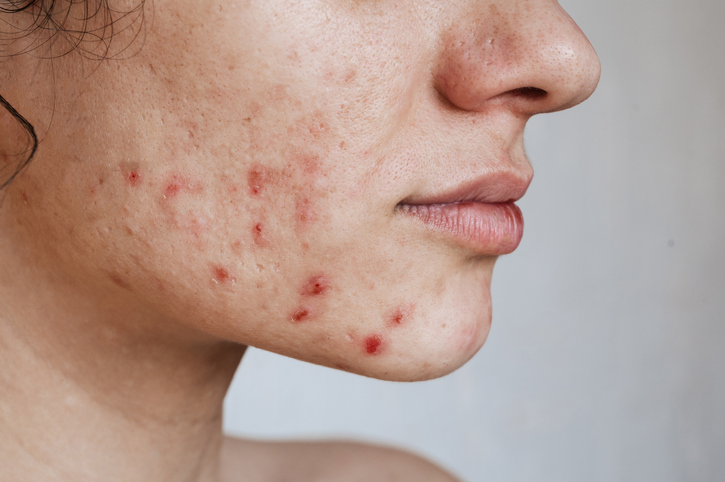
Acne (also called 'zits', spots or pimples) is a common condition, particularly in teenagers. It can also occasionally affect middle-aged people and babies. It often causes a lot of worry and distress but can usually be cleared up, or at least improved a lot, with the right treatment. The treatment can take about a month to work and may need to continue for a while, even after the spots have cleared.
by Dr Colin Tidy, MRCGP
Frequently asked questions
How do skin ulcers typically begin?
Most skin ulcers start from a minor injury or cut that doesn't heal properly. This can be due to an underlying issue, such as poor blood circulation, which prevents the skin from repairing itself effectively.
Can excessive inflammation in the skin cause ulcers?
Yes, rarely, an excess of inflammation in the skin can lead to ulcers. This can happen for a number of reasons, including certain autoimmune conditions like pyoderma gangrenosum, rheumatoid arthritis (causing rheumatoid ulcers), or vasculitis, which is inflammation of blood vessels.
How do healthcare professionals manage the smell from an ulcer?
If an ulcer produces an unpleasant smell, special charcoal dressings may be used. These dressings contain charcoal fibres that trap the gas molecules responsible for the odour. However, frequent dressing changes may be necessary as their effectiveness can decrease if they become wet with discharge.
What is the purpose of cleansing an ulcer?
Cleansing involves washing the ulcer to remove any debris, dead tissue, or dirt. This is not always required at every dressing change but is done when necessary. Warm water is typically used for cleaning, though a specially formulated salt (saline) solution may also be used.
Can certain creams help prevent skin ulcers or manage symptoms around them?
Yes, moisturising creams (emollients) can help prevent the skin from becoming dry and cracked, which can otherwise lead to ulcers. Steroid creams are sometimes used for itchiness or varicose eczema around an ulcer, but their use is short-term and avoided if the skin is infected, as they can thin the skin or worsen infections.
What happens if an ulcer becomes infected?
If an ulcer becomes infected, it can slow healing, increase pain, and cause an unpleasant smell. The skin around it might become red, and there might be a gunky discharge. A swab is usually taken to identify the germs and guide antibiotic treatment. Infection can also spread to surrounding skin (cellulitis), bone (osteomyelitis), or in rare cases, become widespread sepsis.
Further reading and references
- Pressure ulcers: prevention and management of pressure ulcers; NICE Clinical Guideline (April 2014 - last verified by NICE 2018)
- Palliative care - malignant skin ulcer; NICE CKS, October 2018 (UK access only)
- Papi M, Papi C; Vasculitic Ulcers. Int J Low Extrem Wounds. 2016 Mar;15(1):6-16. doi: 10.1177/1534734615621220. Epub 2015 Dec 11.
- Leg ulcers (and disorders of venous insufficiency); Primary Care Dermatology Society (PCDS), October 2016
- Leg ulcer infection: antimicrobial prescribing; NICE Guidance (February 2020)
- Leg ulcer - venous; NICE CKS, July 2023 (UK access only)
About the authorView full bio

Dr Doug McKechnie, MRCGP
Medical Writer
MA, MBBS, MSc, DRCOG, MRCP(UK), MRCGP(2021), FHEA
Dr Doug McKechnie is an NHS GP working in London. He works full-time clinically and is also the Deputy Lead for the Clinical and Professional Practice module at University College London Medical School.
About the reviewerView full bio

Dr Surangi Mendis, MRCGP
Consultant and Medical Author
MBBS, BSc (1st), MRCGP (2014), DFSRH, PGcert otology and audiology
Surangi Mendis is a consultant in Audiovestibular Medicine and Neuro-otology at The Royal National ENT and Eastman Dental Hospitals, UCLH.
Article history
The information on this page is written and peer reviewed by qualified clinicians.
Article also available in English, German, Spanish, French, Italian, Portuguese, Hindi, Hebrew, Arabic, and Swedish.
Next review due: 24 Sept 2028
26 Sept 2023 | Latest version
Join the conversation
Share your thoughts or experiences with others in our patient communities.

Ask, share, connect.
Browse discussions, ask questions, and share experiences across hundreds of health topics.

Feeling unwell?
Assess your symptoms online for free
Sign up to the Patient newsletter
Your weekly dose of clear, trustworthy health advice - written to help you feel informed, confident and in control.
By subscribing you accept our Privacy Policy. You can unsubscribe at any time. We never sell your data.