Cómo evitar los alimentos ultraprocesados cuando eres vegano
Revisado por Dr Krishna Vakharia, MRCGPÚltima actualización por Victoria RawÚltima actualización 27 Ene 2025
Cumple con las directrices editoriales
- DescargarDescargar
- Compartir
- Language
- Discusión
- Ask Patient
- Versión en audio
- Agregar a fuentes preferidas en Google
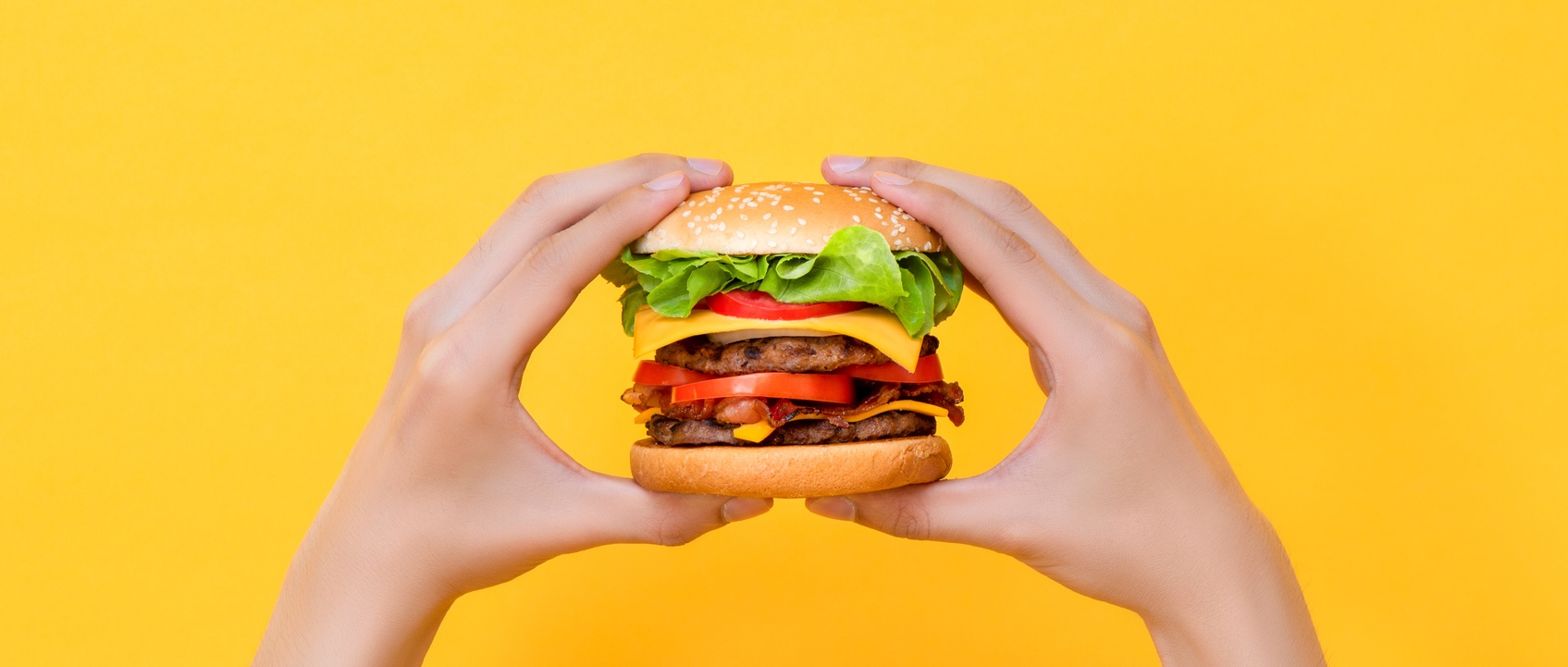
Más personas están eliminando la carne a favor de dietas basadas en plantas por razones éticas, ambientales y de salud. Pero no todos los alimentos de origen vegetal, ya sean vegetarianos o veganos, son tan saludables como pensamos. De hecho, algunos se clasifican como alimentos ultraprocesados, los cuales han sido vinculados con enfermedades cardíacas y cáncer.
Selecciones de videos para Vegano y vegetarianoBiblioteca de videos
Following a plant-based diet is a great way to eat more fruits, verduras and pulses. These foods contain lots of nutrients that are good for us - as well as plenty of fibre to keep our digestive systems healthy.
Vegetarians, vegans, and pescatarians - those that only eat fish - also avoid eating carne roja o processed meat like sausages and bacon, which contain more nitrates, salt, and fat and have been linked to cancer. And of course, there are environmental benefits to eating less meat, including lowering carbon emissions.
Eating more plants and less meat also reduces your chance of developing health problems like enfermedades del corazón. Studies show that people on plant-based diets have a lower likelihood of heart attack and stroke compared to those on omnivorous diets - eating meat and vegetables.
However, research also shows a plant-based diet isn’t always healthy. Imitation meats or meat substitutes - such as vegan nuggets, sausages, and burgers or fake chicken pieces and ready meals - are sometimes classified as ultra-processed foods.
These are convenience foods that contain additives like sweeteners, salt, and artificial flavours but contain few nutrients.
Why are some plant-based foods ultra-processed?
Reema Pillai, a registered dietitian at Dietitian Fit, says that the rise in vegetarianism and veganism has led to a demand for meat alternatives in recent years.
She says that while these may seem like a great way to help reduce meat consumption - if that is your aim - it is also important to keep in mind that many of these alternatives would be classed as ultra-processed foods.
"Often, these foods contain additives such as emulsifiers, texturisers and colours," she explains. "They may also be classed as high added sal, fat or sugar foods.
It’s important to look at the overall processing of a plant-based product to understand its nutritional profile and to ensure it is actually a more nutritious option."
There’s no denying that eating less carne - and particularly carne roja - can come with health benefits. But ultimately, meat and fish in their purest form are unlikely to be heavily processed because they are a single ingredient food.
When we try to recreate them using ingredients like soya, bean or pea protein, we have to process them to make them look and taste palatable. This means adding salt, sugar, fat and other additives to increase taste and prolong their shelf-life. However, we assume they’re healthy because of the 'plant-based' label.
Should we be eating plant-based alternatives?
Often, vegano o vegetarian meat alternatives or ready meals contain less saturated fat than animal-based products. So ultra-processed or not, you’ll be eating less saturated fat and that’s a good thing. However, any ultra-processed foods still contain more sugar, salt and other additives to provide flavour or texture.
Eating ultra-processed plant-based foods every so often is unlikely to cause any health problems. But overall - as is the case with any ultra-processed foods - it is probably better to eat them in moderation.
How to eat less vegan or vegetarian ultra-processed foods
Pillai advises you pay attention to the nutrient content of convenience foods when at the supermarket. Look at the ingredients list - if it’s very long and contains things you’ve not heard of, it’s probably very processed.
It’s not easy to eat healthily all the time when you’re busy. But cooking meals or sauces in batches and freezing them can make things easier when you’re tired or don’t have much time.
Lentils, beans or other pulses like chickpeas can bulk up a meal easily without the need for fake meats. Garlic, herbs and spices can make a dish tasty without additives like sweeteners or artificial flavours.
Pillai says: "Overall, whole foods that are plant based, are considered the most beneficial to our health, such as fruits, verduras, grains, pulses, unprocessed soy, nuts and seeds, rather than vegan products which have undergone a high level of processing."
Selecciones del paciente para Vegano y vegetariano
Dieta y nutrición
¿Cuáles son los beneficios de una dieta basada en plantas?
It could be time to shift the focus on our plates and make room for plants. Research suggests if more people could favour flora over fauna, healthcare costs would be significantly reduced. That's because such eating habits would lower the risks of diseases like type 2 diabetes, heart disease, stroke and certain cancers.
por Natalie Healey

Dieta y nutrición
Cómo desarrollar músculo con una dieta vegana
With 3.1% of adults now following plant-based diets, veganism in Great Britain is on the rise. There are growing numbers of people interested in making 'vegan gains' - building muscle on a vegan diet. With careful planning, it is possible to maximise muscle growth on a plant-based diet.
por Lynn Stephen
Sobre el autorVer biografía completa
Actualizado por

Victoria Raw
Redactora de artículos
Licenciatura en Artes (Hons), Literatura Inglesa
Victoria es redactora de contenido en Patient, con intereses especiales que abarcan el bienestar mental, las tendencias sociales y el impacto de la tecnología en nuestra salud.
Escrito por

Lydia Smith
Escritora de artículos
BA, MA, MSc
Lydia Smith es una periodista galardonada y escritora de reportajes que ha escrito extensamente sobre la salud de las mujeres y la salud mental. Actualmente está estudiando una maestría en psicología.
Acerca del revisorVer biografía completa

Dr Krishna Vakharia, MRCGP
Director Médico de Salud, Optum UK
MBChB, MRCGP(2013), BMedSci (hons), DFSRH, DRCOG, PGDipDerm (Distn)
La Dra. Krishna Vakharia es una médica general del NHS. También es examinadora habitual del Diploma de Posgrado en Dermatología Práctica en la Universidad de Cardiff, además de ser la Directora Médica de salud en Optum UK.
Historial del artículo
Artículo también disponible en Inglés, Alemán, Español, Francés, Italiano, Portugués, Hindi, Hebreo, Árabe, y Sueco.
Próxima revisión: 27 Ene 2028
27 Ene 2025 | Última versión
27 Sept 2023 | Publicado originalmente
Escrito por:
Lydia Smith
Comparte tus pensamientos o experiencias con otros en nuestro comunidades de pacientes.
Suscríbete al boletín de Patient
Tu dosis semanal de consejos de salud claros y confiables, escritos para ayudarte a sentirte informado, seguro y en control.
Al suscribirte aceptas nuestros Política de Privacidad. Puedes darte de baja en cualquier momento. Nunca vendemos tus datos.