How to snack healthily when you are vegan
Peer reviewed by Dr Sarah JarvisAuthored by Lydia SmithOriginally published 10 Dec 2021
Meets Patient’s editorial guidelines
- DownloadDownload
- Share
- Language
- Discussion
- Audio Version
- Add to preferred sources on Google
An increasing number of people are turning away from meat and dairy to follow a plant-based diet. Supermarkets offer a wide range of vegan substitutes, such as oat and almond milks, soya-based meat substitutes and more. However, navigating a vegan diet can be tricky - particularly if you're new to an entirely plant-based lifestyle.
How to stay healthy as a vegan
Veganism is becoming increasingly popular. In 2019, The Vegan Society registered more than 14,000 products with the Vegan trademark, double the number of products registered the previous year.
A vegan diet contains only plants, such as vegetables, grains, nuts and fruits and foods made from plants. From healthy gut function to reducing the risks posed by consuming too much red or processed meat, there are many health benefits associated with a vegan diet.
However, staying healthy while on a vegan diet requires planning and an understanding of the vitamins and nutrients your body needs. If you do not plan your diet properly, you could miss out on essential nutrients. This is particularly important for people who are pregnant or breastfeeding.
"The most common nutritional deficiencies for vegans are B vitamins, iron, calcium and zinc," says dietitian Sophie Medlin, founder of City Dietitians. "We don't have reliable data on how common these deficiencies are at present but we see more and more of them in clinical practice."
Vegan sources of calcium, vitamin D and zinc
Calcium is needed to maintain healthy bones and teeth. Although non-vegans get most of their calcium from dairy products, it's possible to get it from other sources. This includes green, leafy vegetables such as broccoli and cabbage, fortified unsweetened soya (including calcium-set tofu), rice and oat drinks, pulses and dried fruit. Calcium is also added to brown and white bread in the UK.
Good sources of vitamin D for vegans include sunlight exposure, fortified cereals, spreads and soya drinks. Vitamin D supplements are also recommended for everyone in the winter months, when sunlight is scarce. Sources of zinc include beans, chickpeas, lentils, tofu, walnuts, cashew nuts, pumpkin seeds, wholemeal bread and quinoa.
Vegan sources of iron, vitamin B12 and omega-3 fatty acids
Iron helps the body create red blood cells, which carry oxygen around the body. A lack of iron can lead to iron-deficiency anaemia. Pulses, wholemeal bread, breakfast cereals fortified with iron, dark green, leafy vegetables and nuts are all vegan-friendly sources of iron.
The body needs vitamin B12 for a healthy nervous system. Meat, fish and dairy are sources of vitamin B12, but vegans can get some from fortified breakfast cereals and soya drinks. A vitamin B12 supplement may be needed.
Omega-3 fatty acids can reduce the risk of heart disease and can be found in flaxseed (linseed) oil, rapeseed oil, soya oil and soya-based foods, such as tofu. Walnuts are also a good source too.
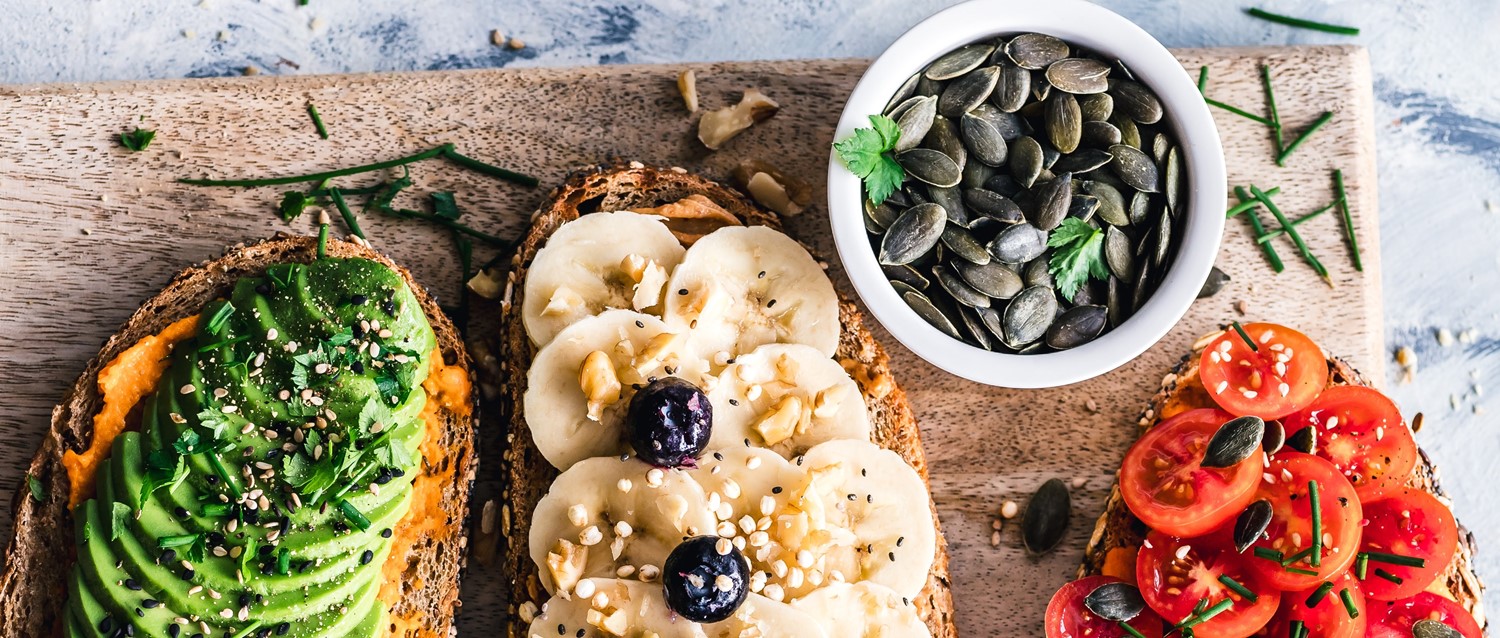
How to snack healthily as a vegan
"Great snacks contain a portion of fruit or vegetable and a protein source. This helps to balance your blood sugars while providing helpful nutrients," says Medlin.
"Healthy vegan snacks include carrot sticks and hummus, apple and peanut butter or nut protein bars with a high nut content. Other good snacks include a piece of fruit, a handful of almonds and two clementines or a vegan protein yoghurt and berries."
Savoury vegan snacks
Vegan dips with raw vegetables, crackers or rice cakes are also a good, filling snack. Dips include guacamole, made with avocado, and hummus, which is made by blending chickpeas.
Stuffed pitta breads also make a good snack or lunch. Fill with hummus or another vegan dip, and salad; drizzle with olive oil and enjoy.
Nut mixes
For an easy, on-the-go snack, try creating a trail mix by mixing together popcorn, raisins and almonds - or any other preferred nuts - and store in an airtight container.
Roasting chickpeas in olive oil with spices and herbs, such as curry powder or paprika, also creates a delicious savory snack and an alternative to crisps.
Sweet vegan snacks
If you fancy something sweeter, dates are naturally sweet. You could also try making vegan banana bread by mixing four ripe mashed bananas, 200 g self-raising flour, 25 g ground almonds, 75 g light brown sugar, four chopped dates, three tablespoons of soya milk, one teaspoon of baking powder and 75 g of toasted walnut pieces to form a batter. Bake in the oven using coconut oil in the tin to stop the cake sticking.
Dark chocolate peanut butter cups are surprisingly easy to make. You'll need 100 g of walnuts, 100 g dairy-free dark chocolate(at least 70% cocoa solids) and one chopped medjool date. Roast the walnuts in the oven and blend into a paste using a food processor. Melt the chocolate and pour into small, paper cases and allow to cool in the fridge. Fill with the nut paste and add some pieces of the chopped dates.
Patient picks for Vegan and vegetarian
Diet and nutrition
Plant-based proteins could help prevent high blood pressure
Eating a greater amount of minimally processed plant-based proteins - such as beans, nuts and lentils - may lower your chance of developing high blood pressure, according to new research.
by Laura Williamson
Diet and nutrition
What not to say to someone who is vegan
Veganism is on the rise, which means more conversations around what veganism actually is and what the lifestyle looks like. While many statements you want to make to a vegan might come from the best place, some of them can be offensive. This can become incredibly frustrating for those who are vegan. So, let's break down some of the things not to say to a vegan, and why they're problematic.
by Emily Jane Bashforth
About the authorView full bio
Authored by

Lydia Smith
Feature writer
BA, MA, MSc
Lydia Smith is an award-winning journalist and feature writer who has written extensively on women's health and mental health. She is currently studying for an MSc in psychology.
About the reviewerView full bio

Dr Sarah Jarvis
Clinical Consultant
MA (Cantab), BM, BCh (Oxon), DRCOG, FRCGP, MBE
After training in medicine at Cambridge and Oxford, Dr Sarah Jarvis MBE became a GP.
Article history
Article also available in English, German, Spanish, French, Italian, Portuguese, Hindi, Hebrew, Arabic, and Swedish.
10 Dec 2021 | Originally published
Authored by:
Lydia SmithPeer reviewed by
Dr Sarah Jarvis
Join the conversation
Share your thoughts or experiences with others in our patient communities.

Ask, share, connect.
Browse discussions, ask questions, and share experiences across hundreds of health topics.

Feeling unwell?
Assess your symptoms online for free
Sign up to the Patient newsletter
Your weekly dose of clear, trustworthy health advice - written to help you feel informed, confident and in control.
By subscribing you accept our Privacy Policy. You can unsubscribe at any time. We never sell your data.