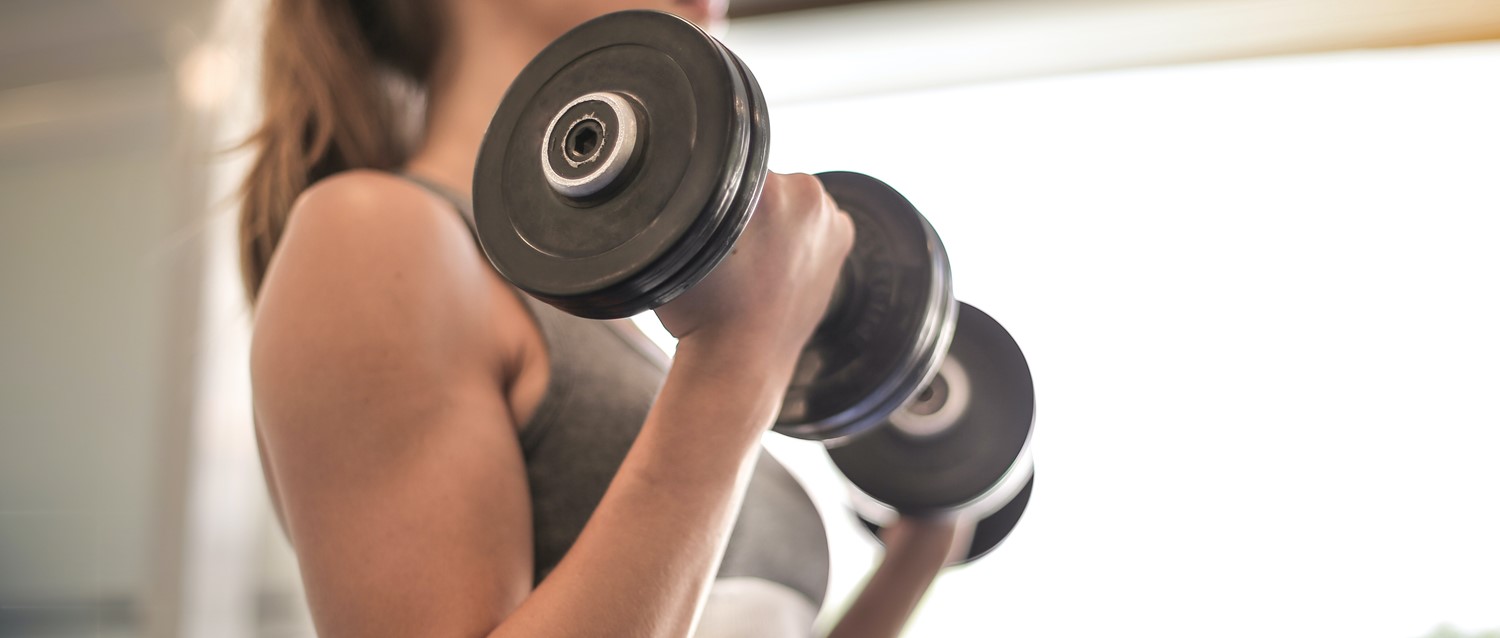
How much protein do you need to build muscle?
Peer reviewed by Dr Sarah JarvisLast updated by Amberley DavisLast updated 9 Nov 2021
Meets Patient’s editorial guidelines
- DownloadDownload
- Share
- Language
- Discussion
- Audio Version
- Add to preferred sources on Google
If you wish to build muscle, there is no escaping the importance of protein. Why do we need protein to build muscle, and how much protein intake do we need to maximise muscle gain?
Protein for muscle gain
Many studies have made clear the potential muscle-building benefits achieved by consuming more protein. For example, one 2018 study found that an increased intake of protein leads to greater muscle mass gains when coupled with resistance training exercises. Other studies have also linked higher protein consumption with an improvement in muscle mass preservation.
Increasing your protein intake can be an effective way to help you gain more muscle mass - but only if you also have a muscle-building fitness routine and eat a balanced diet.
Why do we need protein for muscle growth?
Protein is a macronutrient - a nutrient we need in larger quantities - that is made up of essential amino acids. These amino acids are important building blocks for our bodies' cells and tissues, including muscle mass.
Our bodies are constantly building, maintaining, and repairing tissue. If we don't consume enough protein then amino acids that are stored in our muscle tissue will be 'stolen' in order to meet these needs elsewhere, which over time causes muscle loss.
Amino acids are also used for muscle protein synthesis (MPS), repairing and maintaining muscles after strenuous activity that causes micro-tears in our muscles. This is a natural process that happens when we exercise our muscles, and in turn it can lead to stronger muscles that are better adapted to the type of training that caused the tears.
MPS is the reason why both strength training and protein are crucial for building muscle mass. If your goal is to gain muscle, you need to be consuming more protein than your body is breaking down.
How much protein do you need to gain muscle?
The recommended daily intake of protein is 45-55 g, or around 0.8 g per kilogram (kg) of body weight. However, it is important to remember that this is defined as the minimum amount of protein you should consume in order to prevent muscle loss, rather than the recommended maximum intake.
As such, if you are an adult whose goal is to build up muscle mass through exercise, then this intake is unlikely to be enough (although it should also be noted that the estimated 45-55 g doesn't take age, height, or weight into account). Reema Patel, registered dietitian at Dietitian Fit says:
"It is highly dependent on the individual, but if you are regularly doing resistance/weight-based training, between 1.2-2 g of protein per kg of body weight per day is a good guideline to work towards."
Many recent studies support this recommendation, with the optimum amount of protein for muscle-building appearing be around 1.8 g and 2 g per kg of body weight, which is the amount that most professional athletes aim to consume.
If you are following an intense exercise regime, you may want to consider consuming around 2 g per kg on a daily basis for the first 12 weeks of training. During this time, your body is most hard at work, breaking down muscle fibres, repairing micro-tears, and creating new structures in order to adapt to your exercise routine.
After this period, you might want to reduce your protein intake slightly to between 1.2 g and 1.6 g per kg. This is because your body is unlikely to need quite as much after it becomes more used to the muscle damage that your exercise routine is regularly inflicting.
Calculating your protein intake
As every individual is built differently, you can tailor your daily protein intake based on your weight. Better yet, knowing your body-fat percentage will allow you to calculate the protein needed per kg of lean body mass, which is a more accurate measurement.
There are many body-fat percentage calculators to help you do this. After calculating your body-fat percentage, you will need to subtract this number from your overall weight to work out your lean body mass percentage. If your aim is to build lean muscle, then it is recommended that you aim to consume around 2 g of protein per kg of lean body mass. Using a body mass index (BMI) calculator is also a useful tool for checking that you are at a healthy weight in relation to your height.
This said, for the most personalised and expert advice, Patel recommends booking a consultation with a registered dietitian who specialises in sports nutrition.
Sources of high-protein foods
It is possible to get enough protein for muscle gain by eating a balanced, healthy diet with plenty of protein-rich foods. You should aim to have a source of protein in most of your meals in order to optimise muscle gain. Healthy sources of protein include:
Poultry such as chicken.
Legumes such as beans, lentils and peas.
Oily fish such as mackerel and salmon.
Dairy products such as cheese, yoghurt and milk.
Lean meat.
Eggs.
Plant-based meat alternatives such as tofu and tempeh.
Protein supplements have also been proven to support muscle-building. However, they should be taken in addition to - and not as a substitute for - a protein-rich diet. While some studies have found that whey protein is absorbed faster than food protein, muscles can only handle around 25-35 g of protein at a time. In reality, any excess protein from an overload in protein shakes will be used by the body, but not for muscle tissue.
Other factors integral to muscle gain
It's worth reiterating that consuming the optimum amount of protein per day will only help you to build muscle when integrated with a regular strength/resistance exercise routine. It is also important to factor in adequate rest time, as this is when the maintainance, repairing and strengthening of muscles occurs through the process of MPS.
Likewise, you can follow the strictest exercise routine, but if you're not getting at least seven hours of sleep every night, all that hard work may be going to waste. Not giving your body enough time to recover can have a big impact on muscle growth.
The time that you choose to consume protein can also positively influence muscle gain. Taking protein both before and after exercise may improve and support the MPS process.
Patient picks for Nutrition
Diet and nutrition
What are the health benefits of spicy food?
Eating spicy food might have benefits beyond its taste - it could also be good for your health. Let's dig in and find out whether adding a kick to your meals can boost your wellbeing.
by Victoria Raw
Diet and nutrition
Flax seeds: a secret weapon for women's health?
Flax seeds are praised for their diverse health advantages - from supporting heart health to regulating blood sugar. Packed with nutrients, they’re easy to add to meals, baked goods, and drinks. They're also gaining popularity in the world of women's health. But what exactly are these health benefits, and what do the experts say?
by Victoria Raw
About the authorView full bio

Amberley Davis
Senior writer
BA (Hons), CPD
Amberley is a senior writer with Patient and has written extensively on a range of health and wellbeing topics.
About the reviewerView full bio

Dr Sarah Jarvis
Clinical Consultant
MA (Cantab), BM, BCh (Oxon), DRCOG, FRCGP, MBE
After training in medicine at Cambridge and Oxford, Dr Sarah Jarvis MBE became a GP.
Article history
The information on this page is peer reviewed by qualified clinicians.
Article also available in English, German, Spanish, French, Italian, Portuguese, Hindi, Hebrew, Arabic, and Swedish.
9 Nov 2021 | Latest version
9 Nov 2021 | Originally published
Join the conversation
Share your thoughts or experiences with others in our patient communities.

Ask, share, connect.
Browse discussions, ask questions, and share experiences across hundreds of health topics.

Feeling unwell?
Assess your symptoms online for free
Sign up to the Patient newsletter
Your weekly dose of clear, trustworthy health advice - written to help you feel informed, confident and in control.
By subscribing you accept our Privacy Policy. You can unsubscribe at any time. We never sell your data.
More in diet and nutrition
- 5 healthy Halloween treats
- 5 quick and healthy meals for students
- Are artificial sweeteners really that bad for us?
- Are joint pain supplements worth your money?
- Dietitians, nutritionists and nutritional therapists: what is the difference?
- UpdatedGallstones diet: foods to eat and avoid
- How to avoid ultra processed foods when you're vegan
- How to comfort eat healthily in winter
- How to keep your child eating healthily at secondary school
- How to live longer: good habits for a healthy life
- Is it safe for everyone to take probiotics?
- Is turmeric good for you?
- Vitamin B12 deficiency signs you need to know
- What are the health benefits of a vegan diet?
- What is 'Skinnymaxxing' - and why are health experts concerned about it?
- What is a low-carb diet and is it healthy?
- What is the best diet for Crohn's disease?
- What is the Volumetrics diet, and should you try it?
- UpdatedWhich ultra-processed foods are safe - and which should we avoid?
- Why grow your own food for your health?