How to be vegan when you are pregnant or breastfeeding
Peer reviewed by Dr Sarah JarvisAuthored by Lydia SmithOriginally published 18 Dec 2021
Meets Patient’s editorial guidelines
- DownloadDownload
- Share
- Language
- Discussion
- Audio Version
- Add to preferred sources on Google
An increasing number of people are adopting a vegan diet, swapping meat, dairy and animal products in favour of plant-based alternatives. Although being vegan is safe and healthy, pregnant people and those who are breastfeeding may find themselves missing out on key nutrients without careful planning. So what should you bear in mind if you are vegan and expecting?
Sign up for our free 8-week Healthy Pregnancy course!
Each week we’ll share useful information and essential tips on topics such as nutrition, exercise, mental health, symptoms to look out for, and preparing for childbirth, to help you navigate your pregnancy journey whatever stage you are at.
By subscribing you accept our Privacy Policy. You can unsubscribe at any time. We never sell your data.
Can you be on a vegan diet while pregnant or breastfeeding?
Eating healthily during pregnancy is important for your own health and the health of your developing and growing baby. Following a plant-based diet is safe but may involve careful planning so you get the nutrients and vitamins you need.
"If you are vegan and become pregnant, it's important to note that there are some nutrients that can be more difficult to obtain whilst following a vegan diet," says Reema Patel, a registered dietitian at Dietitian Fit.
"Vegan diets may lack vitamin B12, omega 3, calcium, iodine and iron. There are risks associated to having low levels of these nutrients, such as pregnancy complications and poor infant health."
Research suggests a deficiency in vitamin B12 may increase the risk of low birth weight and preterm birth. Studies also show people lacking in vitamin D during pregnancy may find themselves at increased risk of pre-eclampsia and low birth weight. Regardless of pregnancy, lots of people fail to get enough vitamin D, particularly in winter. This is because it is mostly made in the skin by exposure to sunlight.
With the right diet plan and supplements, however, it is possible to be vegan when pregnant.
"Planning is key to ensure you are getting in a range of nutrients in a diverse diet to meet your requirements during pregnancy. This is to optimise the growth and development of the infant and keep yourself in good health," says Patel.
"Requirement of nutrients whilst breastfeeding is similar to that for pregnant women," she adds. "In addition, including a good source of zinc regularly in the diet is important during breastfeeding. Sources include beans, lentils, chickpeas, tofu, nuts and seeds. And as with all mothers, taking folic acid supplements is important."
Folic acid in pregnancy
People who are pregnant should take 400 micrograms of folic acid every day until they are 12 weeks pregnant and ideally before conceiving. If you did not take folic acid before you conceived, you should start as soon as you find out you're pregnant.
Folic acid can help prevent birth defects in the neural tube, the structure that eventually develops into the baby's brain and spinal cord. Spina bifida, when a baby's spine and spinal cord does not develop properly in the womb, is a type of neural tube defect.
What to eat when you are vegan and pregnant or breastfeeding
To ensure you are having a regular intake of the above nutrients, eating a varied and balanced diet containing fruits and vegetables, whole grains, lean sources of vegan protein and healthy fats will help.
"Including a source of vegan protein at each meal and snack is ideal. This includes legumes, beans, tofu, seitan, tempeh, quinoa, buckwheat, nuts and seeds," Patel adds. Some easy snack ideas include hummus on wholemeal bread or pitta or with vegetable sticks, or a small handful of nuts or dried fruit.
"Other ideas include fresh or frozen fruit with a vegan yoghurt, baked beans on a slice of wholemeal bread, or sliced banana and peanut butter on wholemeal bread," she says. "A few meal ideas include stir-fried tofu with dark leafy greens and brown rice, chickpea falafel with sweet potato chips and a tahini dressing, a lentil and bean curry, or wholemeal pasta with soya beans, kale and pesto."
Foods high in iron
Pregnant and breastfeeding people should include foods high in iron, such as lentils, beans, chickpeas, quinoa, tofu, nuts, seeds, dried apricots and fortified cereals. "You can enhance the absorption of iron by combining it with a food containing vitamin C, such as orange juice or a squeeze of lemon or lime juice over foods," says Patel.
Foods high in calcium
Soya products such as edamame (soya) beans, wholemeal bread, calcium-set tofu, tempeh and natto are great sources of calcium. "Lentils, beans and peas are also good vegan sources of calcium, along with dark leafy green vegetables such as pak choi, kale and Swiss chard," says Patel.
Sources of zinc and omega 3
Some vegan sources of zinc include tofu and tempeh, whole grains, nuts and seeds, tahini, as well as fortified cereals. "There is also a nutrient called phytic acid, which can reduce absorption of zinc - but soaking lentils or beans before cooking can reduce this influence," says Patel.
"Regularly include plant sources of omega 3 such as walnuts and flaxseeds. Omega-3 supplementation in the form of micro-algae, specifically a DHA (docosahexaenoic acid) source, is also an option to consider." DHA is an omega-3 fatty acid that is found in cold-water fish, including tuna and salmon.
What supplements should vegans take during pregnancy?
"For the following nutrients, a supplement is recommended: vitamin B12, iodine and vitamin D," says Patel. "This is because there are very few sources of these foods on a vegan diet. Speak to your GP before starting any supplement, to ensure you are taking the correct dose."
Eating a healthy, varied diet in pregnancy will help you get most of the vitamins and minerals you need. When you're pregnant or are trying to get pregnant, it's important to take a folic acid supplement as well. It is also recommended that you take a daily vitamin D supplement.
If you are low on iron, your midwife or doctor may recommend taking iron tablets too. However, don't take cod liver oil or any supplements containing vitamin A (retinol) when you're pregnant, as too much could harm your baby.
Patient picks for Diet and lifestyle
Pregnancy
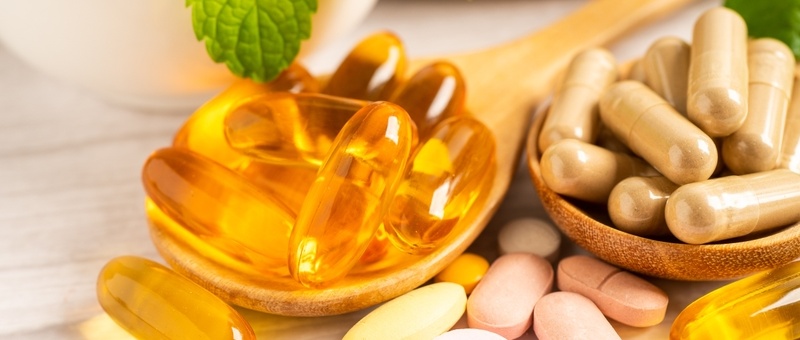
Which pregnancy vitamins do I really need?
With so many pregnancy vitamins on the market, it can be hard to know where to begin. So which vitamins do you actually need during pregnancy and which are less essential?
by Abi Millar
Pregnancy
How to stay healthy and safe when pregnant at Christmas
Being pregnant at Christmas can be a bit different to your usual festive affair. Instead of enjoying prosecco and parties, it can be draining to navigate festive fun when you're feeling exhausted and achy. However, there are lots of ways to make the most of the holidays while staying healthy and safe.
by Lydia Smith
About the authorView full bio
Authored by

Lydia Smith
Feature writer
BA, MA, MSc
Lydia Smith is an award-winning journalist and feature writer who has written extensively on women's health and mental health. She is currently studying for an MSc in psychology.
About the reviewerView full bio

Dr Sarah Jarvis
Clinical Consultant
MA (Cantab), BM, BCh (Oxon), DRCOG, FRCGP, MBE
After training in medicine at Cambridge and Oxford, Dr Sarah Jarvis MBE became a GP.
Article history
Article also available in English, German, Spanish, French, Italian, Portuguese, Hindi, Hebrew, Arabic, and Swedish.
18 Dec 2021 | Originally published
Authored by:
Lydia SmithPeer reviewed by
Dr Sarah Jarvis
Join the conversation
Share your thoughts or experiences with others in our patient communities.

Ask, share, connect.
Browse discussions, ask questions, and share experiences across hundreds of health topics.

Feeling unwell?
Assess your symptoms online for free
Sign up to the Patient newsletter
Your weekly dose of clear, trustworthy health advice - written to help you feel informed, confident and in control.
By subscribing you accept our Privacy Policy. You can unsubscribe at any time. We never sell your data.