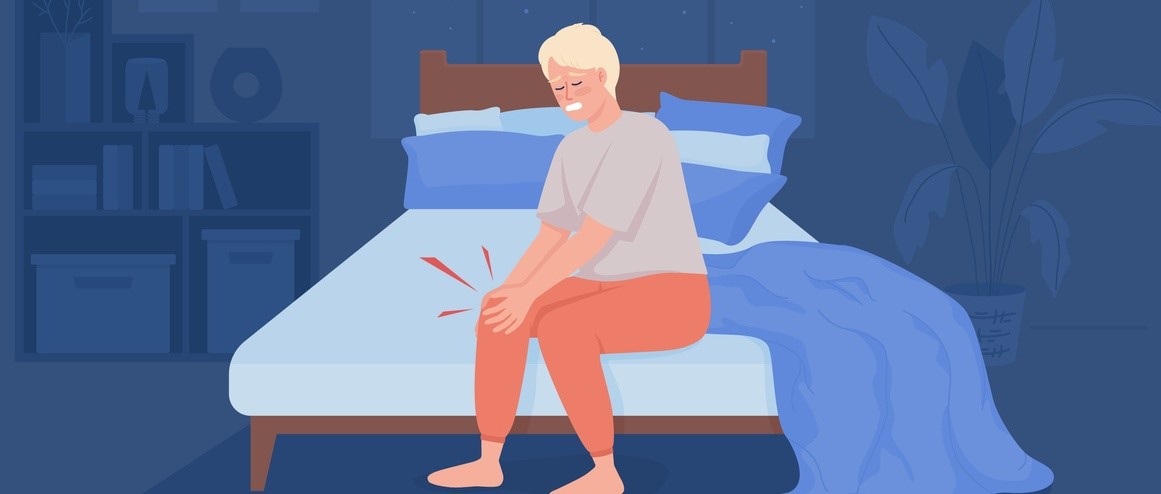
¿Cuál es la diferencia entre la osteoartritis y la artritis reumatoide?
Revisado por Dr Krishna Vakharia, MRCGPEscrito por Amberley DavisPublicado originalmente 6 Apr 2023
Cumple con las directrices editoriales
- DescargarDescargar
- Compartir
- Language
- Discusión
- Versión en audio
- Agregar a fuentes preferidas en Google
Los tipos más comunes de artritis son la osteoartritis y la artritis reumatoide. La primera es causada por el desgaste de las articulaciones, mientras que la segunda es una enfermedad autoinmune que afecta a las articulaciones que de otro modo estarían sanas. ¿Cómo puedes diferenciarlas?
Forms of arthritis
Around 10 million UK adults are limited by the effects of artritis in their day-to-day lives1. Arthritis means inflammation of a joint. Your joints allow movement where two bones meet - including your fingers, elbows, knees, and hips - and so arthritis affects how you move, alongside other symptoms.
With more than 100 types of arthritis in existence, knowing how to spot the difference can help get you the right diagnosis and treatment.
The most common types of arthritis are:
Rheumatoid arthritis (RA) and Osteoarthritis (OA) are the two most common forms of arthritis2. However, osteoarthritis is the most common by a long way, affecting around ten times as many people as rheumatoid arthritis.
The difference between osteoarthritis and rheumatoid arthritis
OA and RA may both cause joint pain, but they have many different characteristics. Here's how to tell them apart.
What's the cause?
OA: caused by wear and tear of joints.
The joining bones in your joints are coated in protective cartilage and a fluid called synovium which allows these bones to move together. In osteoarthritis, the movement between your bones wears these substances down over time. This gradually makes joints more painful and difficult to move.
RA: when your immune system attacks healthy tissue in your joints.
Your immune system mistakenly attacks the healthy synovium fluid that coats your joints. This causes inflammation in your joints, which can eventually lead to permanent damage, pain, and difficulty with movement.
¿Dónde en el cuerpo?
OA: usually affects one set of joints. It often begins on one side of your body but can spread to the other side. Osteoarthritis can affect any of your joints, but is most common in the ones that get used the most, such as your:
Knees.
Hips.
Manos.
Fingers and thumbs.
Lower spine.
RA: usually affects joints that are parallel on both sides of your body and the smaller joints, such as those in your hands or your feet. Like osteoarthritis, any joint can be affected, but rheumatoid arthritis is most common in your:
Fingers and thumbs.
Muñecas.
Ankles.
Feet.
RA may also affect your internal organs, including your:
Heart.
Hígado.
Eyes.
¿Cuáles son los síntomas?
Symptoms in your joints:
OA | RA |
Develop gradually, usually over years. | Develop quite quickly, usually over weeks or months. |
Tend to begin on one side of your body in just one set of joints - but they may also spread to the other side. | Tend to be evenly matched on both sides of your body - for example, in both hands or both feet. |
Articulaciones dolorosas. | Articulaciones dolorosas. |
Tenderness in the joints. | Tenderness in the joints. |
Stiffness in the joints - usually lasts less than one hour in the morning and returns at the end of the day or after activity. | Stiffness in the joints - usually lasts more than one hour in the morning and returns at the end of the day or after a long period of rest. |
Little to no swelling. | Swollen and red joints. |
In osteoarthritis, there are no other symptoms outside of the joints. However, with rheumatoid arthritis, you may also experience other symptoms, including:
Small painless lumps - usually over your forearms and elbows.
Feeling tired all the time.
A general feeling of being ill.
A high temperature (fiebre).
Pérdida de peso inexplicada.
Muscle aches and pains.
What genetic and environmental factors?
OA is linked to:
Joint injury or overuse.
Age - most often develops in people over 50 years old, although secondary osteoarthritis, which is brought on by injury or damage, can occur in younger people.
Sex - women are more likely to develop OA than men.
Body weight - excess weight puts more stress on your joints, especially weight-bearing joints like your knees and hips.
Genetics - having a family history of OA may make it more likely to develop it, although the risk is low.
RA is linked to:
Never giving birth or never breastfeeding - puts women at greater risk than women who have.
Fumar.
Age - most often develops in people between 30 and 50 years old, but can affect people at any age.
Sex - women are more likely to develop RA than men.
Body weight - being obese increases your risk of RA.
Genetics - there's evidence that RA can run in families.
How is it managed?
There is no cure for osteoarthritis or rheumatoid arthritis, so treatment for both aims to ease symptoms, make daily life more manageable, and prevent further joint damage where possible.
OA: Several lifestyle changes and therapies can help to improve symptoms. These include: regular physical activity that's gentle on joints, muscle-strengthening exercises to support joints, una pérdida de peso saludable, fisioterapia, prescription medications, over-the-counter pain relief drugs, and supportive equipment such as canes or crutches. If these treatments don’t make enough of a difference, your doctor may recommend surgery to replace your joints with artificial ones.
RA: special medications - called disease-modifying antirheumatic drugs (DMARDs) and biological response modifiers - may help slow the disease and prevent further joint damage. In addition to these drugs, people with rheumatoid arthritis can also self-manage their symptoms using many of the same therapies for osteoarthritis. Of these, healthy weight loss and regular, joint-protecting exercise are the most important.
Lectura adicional
Selecciones del paciente para Artritis
Huesos, articulaciones y músculos
Cómo es realmente vivir con gota
Nobody knows what a condition really feels like unless they experience it themself. This applies to the medical profession as much as anyone else, with the added bonus that doctors who have 'got the T-shirt' are in a good position to empathise with other members of the Gout Club. Here is the story of my life with gout, some advice from experts, and a look towards the future.
por el Dr. Laurence Knott

Huesos, articulaciones y músculos
Cómo es ser una persona joven con artritis
Cuando piensas en la artritis, quizás imagines a una persona mayor, encorvada con un bastón, con los dedos retorcidos por la enfermedad de la vejez. Sin embargo, para muchas personas con artritis, esta imagen oculta la realidad de la condición.
por Allie Anderson
Sobre el autorVer biografía completa
Escrito por

Amberley Davis
Escritora senior
BA (Hons), CPD
Amberley es una escritora senior en Patient y ha escrito extensamente sobre una variedad de temas de salud y bienestar.
Acerca del revisorVer biografía completa

Dr Krishna Vakharia, MRCGP
Director Médico de Salud, Optum UK
MBChB, MRCGP(2013), BMedSci (hons), DFSRH, DRCOG, PGDipDerm (Distn)
La Dra. Krishna Vakharia es una médica general del NHS. También es examinadora habitual del Diploma de Posgrado en Dermatología Práctica en la Universidad de Cardiff, además de ser la Directora Médica de salud en Optum UK.
Historial del artículo
Artículo también disponible en Inglés, Alemán, Español, Francés, Italiano, Portugués, Hindi, Hebreo, Árabe, y Sueco.
6 Apr 2023 | Publicado originalmente
Escrito por:
Amberley DavisRevisado por
Dr Krishna Vakharia, MRCGP
Únete a la conversación
Comparte tus pensamientos o experiencias con otros en nuestro comunidades de pacientes.

Pregunta, comparte, conecta.
Navega por discusiones, haz preguntas y comparte experiencias en cientos de temas de salud.

¿Te sientes mal?
Evalúa tus síntomas en línea de forma gratuita
Suscríbete al boletín de Patient
Tu dosis semanal de consejos de salud claros y confiables, escritos para ayudarte a sentirte informado, seguro y en control.
Al suscribirte aceptas nuestros Política de Privacidad. Puedes darte de baja en cualquier momento. Nunca vendemos tus datos.