Septic arthritis
Peer reviewed by Dr Colin Tidy, MRCGPLast updated by Dr Hayley Willacy, FRCGP Last updated 14 Apr 2025
Meets Patient’s editorial guidelines
- DownloadDownload
- Share
- Language
- Discussion
- Audio Version
- Add to preferred sources on Google
In this series:ArthritisOsteoarthritisReactive arthritisKnee replacement
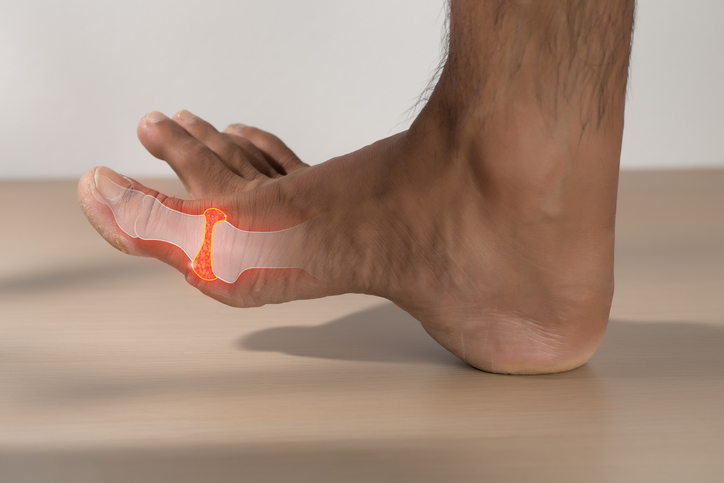
Septic arthritis is an infection in a joint. Symptoms include pain and tenderness over a joint, pain on moving the joint, and feeling unwell. It is an uncommon infection but serious. Urgent treatment is needed. This includes antibiotic medicines and drainage of infected fluid from the joint to prevent permanent joint damage.
At a glance
Septic arthritis is a serious joint infection caused by germs, most commonly bacteria.
Symptoms typically include severe and rapid-onset joint pain, swelling, redness, and fever.
The infection can enter a joint through the bloodstream, an injury, or during surgery.
Risk factors include existing arthritis, joint injury, artificial joints, and a weakened immune system.
Diagnosis involves blood tests and taking a sample of fluid directly from the affected joint.
Treatment requires antibiotics, draining the joint fluid, and often physiotherapy.
Prompt treatment is crucial to prevent permanent joint damage.
What is septic arthritis?
Many different types of germs (bacteria) can cause septic arthritis. Bacterial infection with Staphylococcus aureus is the most common cause. This bacterium is present on the skin normally and can cause skin infections such as boils and abscesses.
Septic arthritis symptoms
Pain from the affected joint. The pain tends to be severe and develops quite quickly. Any movement of the joint can be very painful.
Swelling usually develops over the affected joint which is usually very tender.
Redness of the overlying skin is typical if the joint is near to the skin surface.
Feeling generally unwell with a high temperature (fever) is common.
In most cases of septic arthritis the symptoms develop quickly, within a few days. However, with an infection in an artificial joint, the symptoms may not be so dramatic. Pain and fever may be mild at first before gradually becoming worse. Also, in cases caused by the tuberculosis (TB) germ (bacterium), the symptoms may develop more slowly.
Septic arthritis causes
If some germs (bacteria) settle on a small section of a joint, they can multiply and cause infection.
Bacteria can get to a joint:
Through the bloodstream. This is the most common cause, particularly in children. Bacteria may get into the blood from an infection in another part of the body and travel to a bone. Even if you are healthy, bacteria from the nose or gut sometimes get into the blood.
From an injury. Bacteria can get into a joint if you have a wound that cuts into a joint.
During surgery. Infection is an uncommon complication if you have joint surgery or joint investigations (such as arthroscopy).
Septic arthritis risk factors
Septic arthritis is more common in children than in adults, especially in children between ages 2 and 3 years. However, anyone can develop septic arthritis. You have an increased risk if you:
Arthritis: if you have certain types of arthritis such as rheumatoid arthritis. If the joints are already inflamed, they are at greater risk of becoming infected. It can be difficult to tell the difference between a flare-up of non-infective arthritis and infective (septic) arthritis. As a rule, if you already have arthritis and symptoms suddenly become worse and you feel unwell, septic arthritis is a possibility. Tests can confirm, or rule out, an infection.
Injury: if you have recently had an injury to a joint.
Joint prosthesis: if you have a replacement joint such as an artificial hip or knee.
Surgery; if you have recently had surgery to a joint.
Weakened immune system; if you have a poor immune system. For example, if you have AIDS, if you are taking chemotherapy, if you are seriously ill with another disease, etc.
Drugs; if you inject street drugs which can be contaminated with germs (bacteria).
Gonorrhoea; if you have gonorrhoea - a sexually transmitted infection. If untreated, the gonococcus bacteria can spread in the bloodstream and may cause a septic arthritis.
Infection of bone; if you have osteomyelitis near to a joint.
Which joints can be affected by septic arthritis?
The knee is the site of infection in more than half of cases.
The hip is affected in about 1 in 5 cases.
The rest are usually the shoulder, wrist, elbow and ankle.
Other joints are rarely affected.
In most cases, just one joint is affected. However, in about 1 in 5 cases the germs (bacteria) from one joint spread in the blood to another and two or more joints may be affected at the same time.
Are any tests needed?
Tests to confirm the diagnosis of septic arthritis
If you have typical symptoms coming from a joint near to the skin surface then the diagnosis may be fairly clear from the history and physical exam. However, pain coming from deeper joints such as the hip may be due to a number of causes.
Certain blood tests can help to confirm that you have severe inflammation 'somewhere' in the body, which may be septic arthritis.
A plain X-ray is not so useful to diagnose the early stages of septic arthritis. However, it may be a useful test to rule out other causes of joint pain.
An ultrasound scan, CT scan or MRI scan of the joint may help to confirm the diagnosis.
Tests to find which germ (bacterium) is causing the infection
The blood often contains some bacteria from the infected joint.
Samples of blood are sent to the laboratory to identify which type of bacterium is causing the infection. This is important, as it will help to decide which is the best treatment. (Some bacteria are resistant to some antibiotic medicines.)
Sample of fluid from the joint. If septic arthritis is suspected, a sample of fluid from the joint (the synovial fluid) is also taken by a fine needle. Tests on the fluid can usually confirm the diagnosis and identify the bacterium which is causing the infection.
Septic arthritis treatment
Antibiotic medicines
Antibiotics are started as soon as possible. At first, high doses are given straight into a vein. The antibiotics chosen are ones that are likely to kill the germs (bacteria) which commonly cause septic arthritis. However, the antibiotics are sometimes changed to different ones when the results of the tests confirm which bacterium is causing the infection. (Some bacteria are resistant to some antibiotics.) The symptoms often settle quite quickly after starting antibiotics. However, you need to continue taking the antibiotics for several weeks. This is to make sure all infection has gone from the joint.
Draining the joint fluid
Infected fluid is drained from the affected joint. This helps to stop damage to the joint while the antibiotics clear the infection. With an infection in a knee, elbow or shoulder joint the drainage may be relatively easy to do with a needle. However, deeper joints such as a hip joint are more difficult and may need a small operation to drain the infected fluid. The joint may need to be drained several times until infected fluid stops building up.
Splinting
The affected joint may need to be splinted, as movement can be very painful at first.
Physiotherapy
Once the infection has been treated and when symptoms begin to settle it is important to get the affected joint moving again. This may help to prevent long-term stiffness in the affected joint.
If the infection is in an artificial joint
The most common artificial joints to become infected are elbow, shoulder and ankle joints, followed by knee and hip joints. The joint often has to be removed to treat the infection properly. However, in many cases a new joint can be inserted with a good chance of success.
What is the outlook (prognosis)?
If the septic arthritis is treated promptly, there is a good chance of complete cure with no long-term problems.
If there is delay in treatment, the infection can quickly destroy parts of the joint causing permanent damage. This may lead to long-term pain, reduced movement of the joint and some disability. In some cases the infection becomes severe and leads to blood poisoning (septicaemia). This is a serious complication which can be fatal but is now rare in the UK since antibiotic medicines became available.
How do I prevent septic arthritis?
While some risk factors cannot be controlled, there are steps you can take to reduce the chances of developing septic arthritis:
Promptly treat infections
If you have an infection, particularly in the skin or bones, make sure to follow the treatment plan to prevent it spreading.
Good hygiene
Regularly wash your hands and clean any cuts, wounds, or surgical sites to reduce the risk of infection.
Manage chronic conditions
Conditions such as diabetes, rheumatoid arthritis, or immunosuppression require careful management to minimize the risk of infections.
Patient picks for Arthritis
Bones, joints and muscles
Gout
Gout causes attacks of pain and swelling in one or more joints. An anti-inflammatory painkiller usually eases an attack quickly. Lifestyle factors may reduce the risk of having gout attacks. These include losing weight (if overweight), eating a healthy diet and not drinking a lot of alcohol or sugar-sweetened soft drinks. If gout attacks are frequent then taking a medicine (such as allopurinol) each day can prevent them.
by Dr Hayley Willacy, FRCGP

Bones, joints and muscles
Osteoarthritis
Osteoarthritis is a degenerative joint disease that causes pain and stiffness in joints. Symptoms may be helped by exercises, some physical devices and treatments and by losing weight if you are overweight. Anti-inflammatory painkillers and other medicines are sometimes advised. Joint replacement surgery is an option for severe cases.
by Dr Doug McKechnie, MRCGP
Frequently asked questions
Can I get septic arthritis more than once?
The article does not explicitly state whether septic arthritis can reoccur. However, it mentions that if you have certain types of arthritis or a weakened immune system, you are at an increased risk. Promptly treating infections and managing chronic conditions are also highlighted as preventive measures, which might suggest a possibility of recurrence if risk factors persist or new infections occur.
What kind of permanent damage can septic arthritis cause if not treated quickly?
If there is a delay in treating septic arthritis, the infection can rapidly destroy parts of the affected joint. This destruction can lead to long-term pain, a reduction in the joint's movement, and potentially some level of permanent disability.
How soon do I need to start treatment for septic arthritis after symptoms appear?
The article states that antibiotics are started as soon as possible. It also warns that delay in treatment can quickly destroy parts of the joint, causing permanent damage. While it doesn't give a specific timeframe, it emphasizes the urgency of prompt treatment to achieve a good chance of complete cure and prevent long-term problems.
Is it common for people with artificial joints to get septic arthritis?
While septic arthritis can affect individuals with replacement joints like artificial hips or knees, the article describes infection during surgery or with a joint prosthesis as an 'uncommon complication'. However, having a joint prosthesis is listed as a risk factor, meaning it increases your susceptibility compared to someone without one.
How long will I need to take antibiotics for septic arthritis?
After initial high doses given intravenously, you will need to continue taking antibiotics for several weeks. This extended course is important to ensure that all infection has been cleared from the affected joint.
Further reading and references
- Momodu II, Savaliya V; Septic Arthritis. StatPearls, January 2025
- Wall C, Donnan L; Septic arthritis in children. Aust Fam Physician. 2015 Apr;44(4):213-5.
- Lamagni T; Epidemiology and burden of prosthetic joint infections. J Antimicrob Chemother. 2014 Sep;69 Suppl 1:i5-10. doi: 10.1093/jac/dku247.
- Gamalero L, Ferrara G, Giani T, et al; Acute Arthritis in Children: How to Discern between Septic and Non-Septic Arthritis? Children (Basel). 2021 Oct 13;8(10). pii: children8100912. doi: 10.3390/children8100912.
- Wang J, Wang L; Novel therapeutic interventions towards improved management of septic arthritis. BMC Musculoskelet Disord. 2021 Jun 9;22(1):530. doi: 10.1186/s12891-021-04383-6.
About the authorView full bio

Dr Hayley Willacy, FRCGP
General Practitioner, Medical Author
MBChB (1992), DRCOG, DFFP, MRCOG (Part 1) MRCGP (2007), DFSRH (2013), MSc - medical education (2020)
Dr Hayley Willacy was an NHS GP working in northwest England, who retired from clinical practice in 2022 after 30 years.
About the reviewerView full bio

Dr Colin Tidy, MRCGP
General Practitioner, Medical Author
MBBS, MRCGP, MRCP (Paediatrics), DCH
Dr Colin Tidy is an NHS Doctor, based in Oxfordshire.
Article history
The information on this page is written and peer reviewed by qualified clinicians.
Article also available in English, German, Spanish, French, Italian, Portuguese, Hindi, Hebrew, Arabic, and Swedish.
Next review due: 13 Apr 2028
14 Apr 2025 | Latest version
Join the conversation
Share your thoughts or experiences with others in our patient communities.

Ask, share, connect.
Browse discussions, ask questions, and share experiences across hundreds of health topics.

Feeling unwell?
Assess your symptoms online for free
Sign up to the Patient newsletter
Your weekly dose of clear, trustworthy health advice - written to help you feel informed, confident and in control.
By subscribing you accept our Privacy Policy. You can unsubscribe at any time. We never sell your data.