Presión arterial alta
Hipertensión
Revisado por pares por Dr Colin Tidy, MRCGPÚltima actualización por Dr Doug McKechnie, MRCGPÚltima actualización 20 Ene 2025
Cumple con las directrices editoriales
- DescargarDescargar
- Compartir
- Language
- Discusión
- Versión en audio
En esta serie:Vivir con presión arterial altaMedicina para la presión arterial altaDiuréticos tiazídicos
High blood pressure (hypertension) happens when the force on the walls of blood vessels (caused by the blood within them) is more than normal. This means the heart has to work harder and the blood vessels are under more strain, making it a major risk factor for enfermedades del corazón, stroke and other serious conditions.
Patrocinado
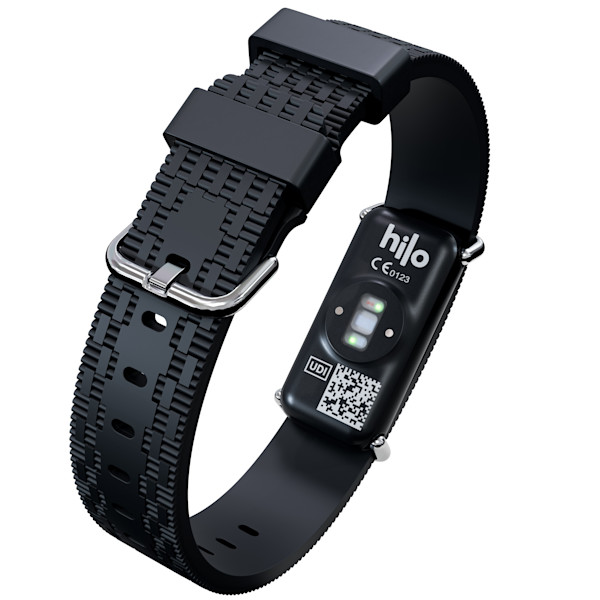
Patient recommends... Hilo
Track your blood pressure continuously, day and night - without an inflatable cuff. Traditional cuffs capture just one moment, if you remember to use them. Hilo takes about 25 readings a day, revealing how stress, meals, and activity affect your blood pressure so you can make informed choices for your wellbeing.
› Shop now
En este artículo:
Videos seleccionados para Presión arterial alta
Continúa leyendo abajo
What is high blood pressure?
High blood pressure is a blood pressure that is:
140/90 mm Hg or higher when taken at a GP surgery, pharmacy, or clinic, or;
135/85 mm Hg or higher when taken at home.
Blood pressure normally goes up and down throughout the day, depending on what someone is doing. It's also normal for blood pressure to go up for a short time if someone is feeling stressed, anxious, or in pain.
So, a single raised blood pressure reading is not enough to say that someone has high blood pressure. But if your blood pressure readings are checked again at different times, and are raised most, or all, of the time, it shows that you have high blood pressure.
As a rough guide, the ideal blood pressure for adults is between 90/60mmHg and 120/80mmHg.
What is high blood pressure?
Understanding a blood pressure reading
Blood pressure readings are given as two numbers, eg 130/80. The first number is the systolic blood pressure, and is the blood pressure when the heart is pushing blood out through the body.
The second number is the diastolic blood pressure, and is the blood pressure when the heart is filling with blood between heartbeats. Blood pressure is measured in millimetres of mercury (mm Hg).
A one-off blood pressure reading that is high does not mean high blood pressure. Blood pressure varies throughout the day. It may be high for a short time, such as when anxious, stressed, or after exercise. This is normal, and short-term rises in blood pressure don't cause problems. However, if blood pressure is raised for a long time (months or years), it can cause serious health problems.
High blood pressure symptoms
Volver al contenidoHigh blood pressure usually doesn't cause any symptoms at all, and so the only way to know if your blood pressure is high is to get it checked.
Usually high blood pressure is only picked up if blood pressure is checked routinely, or as part of checks for another medical problem.
Rarely, very high blood pressure can cause symptoms such as:
Dolores de cabeza.
Mareo.
Visión borrosa.
Dolor en el pecho.
Feeling short of breath.
Continúa leyendo abajo
Risks of having high blood pressure
Volver al contenidoHigh blood pressure over a long period of time (years) increases the risk of developing serious health problems.
High blood pressure causes damage to blood vessels, making them weaker or narrower, and increases strain on the heart. In general, the higher the blood pressure, the greater the risk of serious problems.
Untreated high blood pressure can lead to:
Visual loss and blindness.
What causes high blood pressure?
Volver al contenidoIt isn't always clear what might be causing high blood pressure. However, the risk of developing high blood pressure is increased if a person:
Has diabetes. This is the case for type 1 diabetes but it is even more common in those with diabetes tipo 2.
Is from a Black or South Asian ethnic background.
Has a family history of high blood pressure.
Has certain lifestyle factors. That is, those who:
Are overweight or obese.
Eat a lot of salt.
Aren't physically active.
Drink a lot of alcohol.
Have a lot of stress.
Continúa leyendo abajo
How is high blood pressure diagnosed?
Volver al contenidoUnless a single level is extremely high, high blood pressure shouldn't be diagnosed without an average of several readings, usually from measuring repeatedly at home, or 'ambulatory' measurements (using a monitor worn for 24 hours).
One reason for this is because some people become anxious in medical clinics. This can cause the blood pressure to rise. Home or ambulatory monitoring of blood pressure may show that the blood pressure is actually normal most of the time when a person is relaxed.
However, if a person has diabetes, or has recently had a heart attack or stroke, blood pressure checks may be advised more often over the following week or so. Treatment with medication is usually considered at an earlier stage if the high blood pressure readings remain high.
How is blood pressure measured?
Volver al contenidoThe first blood pressure reading will usually be in a clinic, pharmacy, or GP's surgery. If one reading is found to be high, it is usually best to wait a bit and recheck it. They might suggest rechecking it after a few minutes, or coming back on another day to recheck.
They might also recommend that you do home or ambulatory readings to see what your blood pressure levels are like over a longer period of time.
Blood pressure readings can be divided into:
Clinic/GP surgery blood pressure readings
These are readings taken by a doctor or nurse in a clinic or a GP surgery, using a standard blood pressure machine.
Home blood pressure readings
This involves a machine to take blood pressure readings at home. Blood pressure readings are taken by a person whilst seated and at rest at home, using a standard blood pressure machine.
The blood pressure readings are taken twice a day for a week. This can then provide an average reading. It's normal for blood pressure to fluctuate, so a single raised reading isn't a cause for concern unless it's extremely high.
Ambulatory blood pressure readings
These are readings taken at regular intervals during normal activities. A small machine that is attached to the arm takes and records the readings, usually over a 24-hour period.
As a rule, an average of the ambulatory blood pressure readings gives the truest account of blood pressure. Home blood pressure readings are a good substitute if an ambulatory machine is not available.
Ambulatory and home readings are often a bit lower than clinic or GP surgery readings. Sometimes they are a lot lower. This is because people are often much more relaxed and less stressed at home than in a formal clinic or surgery situation.
See the separate leaflet called Home and ambulatory blood pressure recording.
What other tests are done for high blood pressure?
Volver al contenidoPeople who are diagnosed with high blood pressure (hypertension) should have some routine tests which include:
Una análisis de orina to check for protein or blood in the urine.
A blood test to check that the kidneys are working normally and to check cholesterol level y sugar (glucose) level.
A heart tracing, called an electrocardiograma (ECG).
These tests are designed to:
Rule out (or diagnose) a secondary cause of high blood pressure, such as kidney disease.
Check to see if the high blood pressure has affected the heart or kidneys.
Check for other important risk factors for heart disease and stroke, such as a high cholesterol level or diabetes.
How to reduce high blood pressure
Volver al contenidoLifestyle changes can be very important to help reduce blood pressure and reduce the risk of enfermedad cardiovascular. In some people diagnosed with high blood pressure, this may help them to avoid medication. In particular, the following may help:
Reducing salt in the diet.
Dejar de fumar doesn't reduce blood pressure, but smoking and high blood pressure increase the risk of the same conditions. So quitting smoking will reduce the risk of conditions such as strokes, heart attacks, enfermedad arterial periférica y enfermedad renal crónica.
See the separate leaflet called Living with high blood pressure.
Treatments for high blood pressure
Volver al contenidoHigh blood pressure medication
The main treatment for high blood pressure is medication. There are many different medicines for high blood pressure. There are six main classes of medicines that are used to lower blood pressure:
Inhibidores de la enzima convertidora de angiotensina (ECA).
Bloqueadores de los receptores de angiotensina (ARBs).
They work in various different ways. A doctor will advise on the best one to use for any individual as the most effective medicine will depend on a few different factors. If the first medicine doesn't work well enough or causes side effects, there are plenty of other options. More than one medicine is often needed to control high blood pressure.
The idea is to find one or more pills which suit an individual, and which control blood pressure. Once blood pressure is controlled, medication needs to be continued long-term. Blood pressure will be checked regularly and medication adjusted if need be.
Selecciones del paciente para Presión arterial alta
Salud del corazón y vasos sanguíneos
Vivir con presión arterial alta
About 3 in 10 adults in the UK are living with high blood pressure. There are things that you can do to try and reduce your blood pressure. This will reduce the risks of complications from high blood pressure - which can include kidney damage, stroke, heart disease, dementia, and problems with the blood vessels.
por la Dra. Philippa Vincent, MRCGP
Salud del corazón y vasos sanguíneos
Home and ambulatory blood pressure recording
Blood pressure recording outside of the doctor's surgery is recommended in most people who are suspected of having high blood pressure. This is because readings taken while people are going about their daily lives are more accurate than those taken in a doctor's surgery. They may also be used to give the doctor information about how well a blood pressure medicine is working. The ideal method is ambulatory blood pressure monitoring, which uses a portable recorder. If this is inconvenient or uncomfortable, readings can be taken using a traditional blood pressure machine at home.
por el Dr. Colin Tidy, MRCGP
Lecturas adicionales y referencias
- Descripción del plan de alimentación DASH (Enfoques Dietéticos para Detener la Hipertensión); Institutos Nacionales de Salud
- Guidelines for the management of arterial hypertension; ESH/ESC Clinical Practice Guidelines, European Society of Cardiology (2013)
- He FJ, Li J, Macgregor GA; Effect of longer term modest salt reduction on blood pressure: Cochrane systematic review and meta-analysis of randomised trials. BMJ. 2013 Apr 3;346:f1325. doi: 10.1136/bmj.f1325.
- Ettehad D, Emdin CA, Kiran A, et al; Reducción de la presión arterial para la prevención de enfermedades cardiovasculares y muerte: una revisión sistemática y metaanálisis. Lancet. 5 de marzo de 2016;387(10022):957-67. doi: 10.1016/S0140-6736(15)01225-8. Publicado en línea el 24 de diciembre de 2015.
- Hipertensión en adultos: diagnóstico y manejo; NICE (agosto 2019 - última actualización noviembre 2023)
- 2021 European Guidelines on cardiovascular disease prevention in clinical practice; European Society of Cardiology (2021)
- CKS Hypertension; NICE CKS, diciembre 2023 (acceso solo en el Reino Unido)
- Enfermedad cardiovascular: evaluación y reducción del riesgo, incluyendo la modificación de lípidos; NICE guidance (December 2023)
Continúa leyendo abajo
Historial del artículo
La información en esta página está escrita y revisada por pares por clínicos calificados.
Próxima revisión: 19 Ene 2028
20 Ene 2025 | Última versión

Pregunta, comparte, conecta.
Navega por discusiones, haz preguntas y comparte experiencias en cientos de temas de salud.

¿Te sientes mal?
Evalúa tus síntomas en línea de forma gratuita
Suscríbete al boletín de Patient
Tu dosis semanal de consejos de salud claros y confiables, escritos para ayudarte a sentirte informado, seguro y en control.
Al suscribirte aceptas nuestros Política de Privacidad. Puedes darte de baja en cualquier momento. Nunca vendemos tus datos.