Living with high blood pressure
Peer reviewed by Dr Doug McKechnie, MRCGPLast updated by Dr Philippa Vincent, MRCGPLast updated 14 Nov 2024
Meets Patient’s editorial guidelines
- DownloadDownload
- Share
- Language
- Discussion
- Audio Version
- Add to preferred sources on Google
About 3 in 10 adults in the UK are living with high blood pressure. There are things that you can do to try and reduce your blood pressure. This will reduce the risks of complications from high blood pressure - which can include kidney damage, stroke, heart disease, dementia, and problems with the blood vessels.
At a glance
High blood pressure is when blood pushes too forcefully through your arteries.
Both the 'top' (systolic) and 'bottom' (diastolic) blood pressure numbers are important.
Regular physical activity, a healthy diet, and a low salt intake can help lower blood pressure.
Limiting alcohol to recommended amounts can also reduce high blood pressure.
Smoking does not directly affect blood pressure but greatly increases health risks if you have high blood pressure.
Sponsored
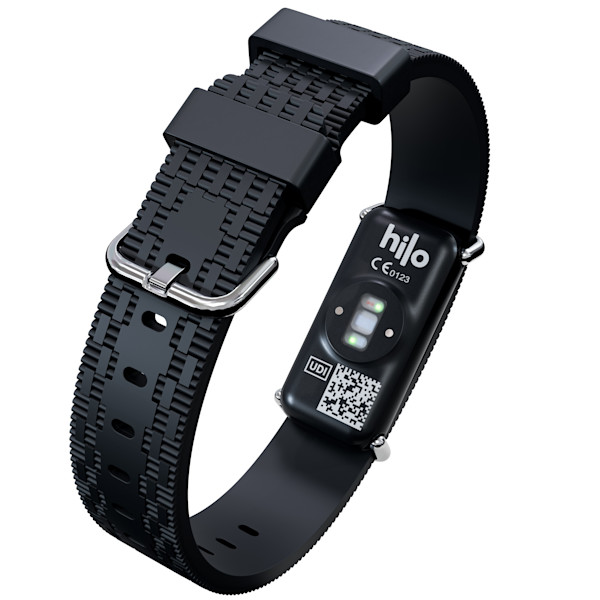
Patient recommends... Hilo
Track your blood pressure continuously, day and night - without an inflatable cuff. Traditional cuffs capture just one moment, if you remember to use them. Hilo takes about 25 readings a day, revealing how stress, meals, and activity affect your blood pressure so you can make informed choices for your wellbeing.
› Shop now
What is high blood pressure?
High blood pressure is when the blood pressure (a measure of how forcefully blood is pushed through your arteries) is higher than it should be. Blood pressure is measured as two numbers. The systolic blood pressure is the "top" number and is a measure of how forcefully the blood is pushing against the artery walls when the heart beats. The diastolic blood pressure is the "bottom" number and is a measure of the pressure in the arteries when the heart is pausing in between beats. Both numbers are important.
How can lifestyle changes help lower blood pressure?
Regular physical activity
If possible, aim to do some physical activity every day. Detailed advice on how much exercise to do is given in Government guidelines (see Further Reading, below).
If you previously did little physical activity and you change to doing regular physical activity, it can reduce your systolic blood pressure. Medical advice should be sought before undertaking strenuous exercise if you have very high blood pressure; medication may be suggested before starting exercising.
Eat a healthy diet
Briefly, this means:
At least five portions, or ideally 7-9 portions, of a variety of fruit and vegetables per day.
A third of most meals should be starch-based foods (such as cereals, wholegrain bread, potatoes, rice, pasta), plus fruit and vegetables.
Try using wholegrain versions of starchy foods (such as rice and pasta).
Reduce fatty foods such as fatty meats, cheeses, full-cream milk, fried food, butter, etc.
Include 2-3 portions of fish per week. At least one of these should be 'oily', such as herring, mackerel, sardines, kippers, pilchards, salmon, or fresh (not tinned) tuna.
If you eat meat it is best to eat lean meat, or eat poultry such as chicken (without the skin which is full of saturated fat).
Vegetable oils, such as rapeseed or olive, might be healthier than some other fats.
Limit salt in your diet (see below).
A healthy diet provides benefits in different ways. For example, it can lower cholesterol, help control your weight, and provide plenty of vitamins, fibre and other nutrients which help to prevent certain diseases.
Some aspects of a healthy diet also directly affect blood pressure. For example, if you change to a diet which is low-fat, low-salt and high in fruit and vegetables, it can significantly lower systolic blood pressure.
Have a low salt intake
The amount of salt that we eat can have a major effect on our blood pressure. Public Health England says excess salt is one of the most important risk factors for high blood pressure we can change.
Government guidelines recommend that we should have no more than 5-6 grams of salt per day. On average, we eat just over 8 grams a day. About 3/4 of the salt we eat comes from processed food, where it's often not obvious - for instance, packet soups and sauces and even breakfast cereals can be high in salt. Tips on how to reduce salt include:
Use herbs and spices rather than salt to flavour food.
Limit the amount of salt used in cooking. Do not add salt to food at the table.
Choose foods labelled 'no added salt'.
Avoid processed foods as much as possible.
Salt substitutes are available, containing a reduced amount of sodium, the chemical that puts your blood pressure up. However, these often contain large amounts of potassium, which may be unsuitable for older people, people with diabetes, pregnant women, people with kidney disease and people taking some antihypertensive drugs, such as ACE inhibitors and angiotensin-II receptor blockers. Medical advice may need to be sought before using these products.
Limit alcohol intake
Too much alcohol can be harmful and can lead to an increase in blood pressure. You should not drink more than the recommended amount. Currently the maximum recommended amount for men and women is no more than 14 units of alcohol per week.
Units should be spread out through the week and there should be at least two alcohol-free days a week. Pregnant women should not drink at all. One unit is in about half a pint of normal-strength beer, or two thirds of a small glass of wine, or one single pub measure of spirits.
Cutting back on heavy drinking improves health in various ways. It can also have a direct effect on blood pressure. For example, if you are drinking heavily, cutting back to the recommended limits can lower a high systolic blood pressure.
Smoking and high blood pressure
Smoking does not directly affect the level of your blood pressure. However, smoking greatly adds to your health risk if you already have high blood pressure (hypertension). You should make every effort to stop smoking. If you smoke and are having difficulty in stopping, see your practice nurse or local pharmacist for help and advice.
Patient picks for Blood pressure
Heart health and blood vessels
Home and ambulatory blood pressure recording
Blood pressure recording outside of the doctor's surgery is recommended in most people who are suspected of having high blood pressure. This is because readings taken while people are going about their daily lives are more accurate than those taken in a doctor's surgery. They may also be used to give the doctor information about how well a blood pressure medicine is working. The ideal method is ambulatory blood pressure monitoring, which uses a portable recorder. If this is inconvenient or uncomfortable, readings can be taken using a traditional blood pressure machine at home.
by Dr Colin Tidy, MRCGP
Heart health and blood vessels
Low blood pressure
Low blood pressure (also called hypotension) is quite common and isn't usually a problem. However, it can cause symptoms in some people or some situations. Postural or orthostatic hypotension is low blood pressure on standing up from lying or sitting and is more common in teenagers and older people. edit
by Dr Rachel Hudson, MRCGP
Frequently asked questions
Does salt affect blood pressure?
Yes, the amount of salt we consume has a significant impact on our blood pressure. Public Health England identifies excess salt intake as one of the most crucial risk factors for high blood pressure that we have the power to change.
How much salt is too much?
Government guidelines suggest we should not consume more than 5-6 grams of salt per day. However, on average, most people in the UK eat around 8 grams daily. A large portion of this comes from processed foods where it's not always obvious, such as packet soups, sauces, and even breakfast cereals.
Further reading and references
- Description of the DASH (Dietary Approaches to Stop Hypertension) Eating Plan; National Institutes of Health
- He FJ, Li J, Macgregor GA; Effect of longer term modest salt reduction on blood pressure: Cochrane systematic review and meta-analysis of randomised trials. BMJ. 2013 Apr 3;346:f1325. doi: 10.1136/bmj.f1325.
- Ettehad D, Emdin CA, Kiran A, et al; Blood pressure lowering for prevention of cardiovascular disease and death: a systematic review and meta-analysis. Lancet. 2016 Mar 5;387(10022):957-67. doi: 10.1016/S0140-6736(15)01225-8. Epub 2015 Dec 24.
- Alcohol and drug misuse - Prevention and treatment guidance; GOV.UK
- Hypertension in adults: diagnosis and management; NICE (August 2019 - last updated February 2026)
- UK Chief Medical Officers' Physical Activity Guidelines, 2026
About the authorView full bio
Updated by

Dr Philippa Vincent, MRCGP
General Practitioner, Medical Author
MB BS, Bsc, MRCGP (2000), DCH, DFSRH, DRCOG
Dr Philippa Vincent is an NHS GP working in North London.
About the reviewerView full bio

Dr Doug McKechnie, MRCGP
Medical Writer
MA, MBBS, MSc, DRCOG, MRCP(UK), MRCGP(2021), FHEA
Dr Doug McKechnie is an NHS GP working in London. He works full-time clinically and is also the Deputy Lead for the Clinical and Professional Practice module at University College London Medical School.
Join the conversation
Share your thoughts or experiences with others in our patient communities.

Ask, share, connect.
Browse discussions, ask questions, and share experiences across hundreds of health topics.

Feeling unwell?
Assess your symptoms online for free
Sign up to the Patient newsletter
Your weekly dose of clear, trustworthy health advice - written to help you feel informed, confident and in control.
By subscribing you accept our Privacy Policy. You can unsubscribe at any time. We never sell your data.