Can lifestyle changes reduce your COVID-19 risk?
Peer reviewed by Dr Sarah JarvisLast updated by Gillian HarveyLast updated 10 Mar 2021
Meets Patient’s editorial guidelines
- DownloadDownload
- Share
- Language
- Discussion
- Audio Version
- Add to preferred sources on Google
During the COVID-19 pandemic, we're all doing our bit to keep ourselves and others safe. Following guidelines, wearing masks when advised and practising social distancing can all help to reduce the spread of the virus. But is there anything we can do to reduce our personal risk of contracting the virus, or our risk of serious disease if we do get infected?
Healthy diet
We know that a balanced diet with plenty of fresh fruit and vegetables is an important part of staying healthy.
But would improving our diet help guard against COVID-19?
"There are no miracle foods or diets that can prevent or cure you of the virus. Still, eating a healthy, well-balanced diet full of several nutrients (copper, folate, iron, selenium, zinc, and vitamins A, B6, B12, C, and D), will ensure you get all the essentials to keep your immune system and energy levels up.
"You can get your vitamin C from fruits and vegetables, some vitamin D from low-fat milk, fortified milk alternatives, and seafood, and zinc from lean meat, seafood, legumes, nuts, and seeds," advises Qunomedical's Chief Medical Officer Prof Dr Rüdiger Heicappell, who has been working on the COVID-19 frontline in Germany.
Vitamins and supplements
It may be that, in the future, certain vitamins and supplements will be found to stave off or reduce the impact of COVID-19. However, in these relatively early days, evidence is limited. Some data have suggested that those with vitamin D deficiencies are more likely to be diagnosed with COVID-19 or suffer respiratory disease if infected, but more evidence is needed. NICE guidelines recommend that people in the UK should follow the government guidelines on vitamin D supplementation for their general health but advise that vitamin D should not be used by the public solely to prevent or treat COVID-19.
Even so, taking measures to ensure we are not vitamin deficient is certainly a good idea for our overall health.
"Simply, there are limited data of scientifically rigorous experiments that give confidence in recommending specific vitamins or supplements. Nonetheless, research is showing that those with vitamin D deficiencies are more likely to test positive for the virus. Thus, we can speculate that taking vitamin D supplements may be a good step to take," says Dr Heicappell.
Vitamin D and COVID-19 - the science
As with everything in life, any decision is about risks and benefits. It's important to remember that there's a difference between two things being 'associated' (eg the lower your vitamin D, the greater your risk of COVID-19 infection) and one actually leading to the other. There could be lots of 'confounding factors' which suggest a causal link where none exists.
For instance, people of BAME origin are more likely to have low levels of vitamin D and more likely to suffer serious complications of COVID-19. But people of BAME origin are also more likely to have public facing jobs, exposing them to a high viral load, and more likely to have conditions such as type 2 diabetes and heart disease, which significantly increase the risk of adverse outcomes in COVID-19. It might be these, rather than the low vitamin D levels, which increase their risk.
While several studies have suggested a possible connection between low vitamin D and more severe COVID-19, the studies done on supplements have not been of high quality. A recent study submitted to the Lancet, which suggested that vitamin D given to patients hospitalised with COVID-19 reduces mortality by 60%, was rejected by the Lancet because of concerns about the quality of the data.
However, the risks of vitamin D supplementation, at least up to 100 micrograms a day (ten times the guideline recommendations of 10 micrograms, or 400 IU, a day) are minimal. And that means that the benefit:risk profile is firmly weighed towards benefit.
Cutting down on alcohol
Many of us enjoy a glass of wine or two in the evening, but did you know that alcohol consumption can weaken the immune system? With this in mind, cutting down on booze could make us less susceptible to illnesses, including COVID-19. "In general, drinking alcohol has a deleterious effect on your immune system, making you more susceptible to infectious diseases. Heavy use of alcohol also increases the risk of acute respiratory distress syndrome (ARDS), which is one of the most severe complications of the virus," explains Dr Heicappell.
In addition, alcohol may increase our risk-taking behaviour or affect our adherence to social-distancing measures. "Thinking more broadly, alcohol alters your ability to make decisions and your behaviour, making you less likely to remember social-distancing guidelines and other precautions. With that said, it makes sense to give alcohol a break or to drink in moderation," agrees Dr Heicappell.
Healthy lifestyle
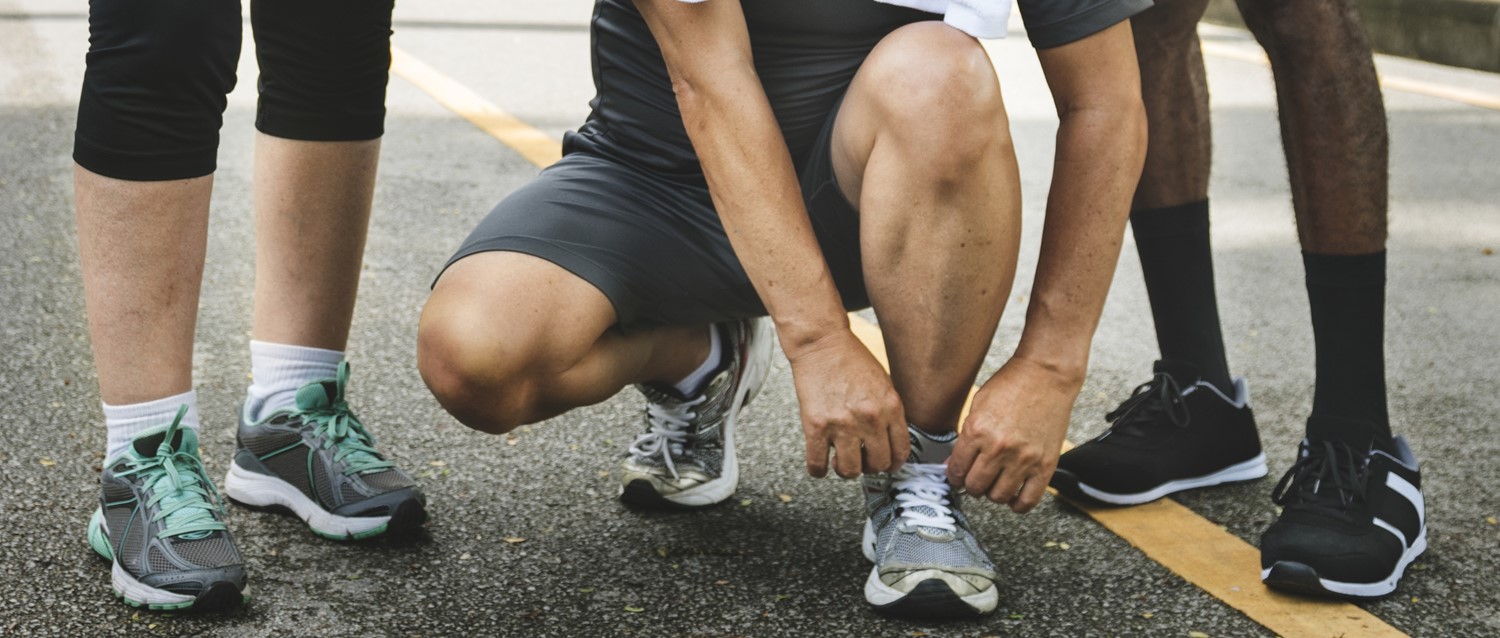
Many of us have become accustomed to taking a daily walk or jog during lockdown, and as well as improving our general fitness and ensuring we take time out in natural light - important for vitamin D production - exercise can help to keep our immune system in good shape.
"Doing regular exercise improves your ability to regulate your immune system - this helps you keep clear of more severe symptoms of the virus, such as acute respiratory distress syndrome (ARDS). Another bonus for staying active is that you are aiding your body's defence mechanisms by reducing inflammation, boosting innate immune cells, and improving your gut health," explains Dr Heicappell.
Healthy weight
We already know that people who are overweight or obese are at greater risk of certain conditions such as hypertension (high blood pressure) and type 2 diabetes. But several studiessuggest that those carrying excess weight are also at greater risk of serious illness or death from COVID-19.
The higher your body mass index (BMI - your weight in relation to your height), the greater the risk. For most adults, a BMI of 18.5-24.9 is 'ideal', 25-29.9 is overweight, 30-39.9. is obese and over 40 is severely obese. According to a review by Public Health England, a BMI of 35 to 40 could increase a person's chances of dying from COVID-19 by 40%. A BMI greater than 40 could almost double the chance of dying from COVID-19, increasing the risk by 90%.
To find out whether you are at a healthy weight for your height, use our BMI calculator to measure your BMI. If you discover that you're in an unhealthy range, you should aim to reduce excess weight through diet and exercise.
If you're not sure how to do this safely, you want to lose a lot of weight or you have other health conditions, it's worth getting advice from your GP or a pharmacist before you get started. Working your way to a healthier weight will help to reduce your risk of serious complications from COVID-19, as well as improving your overall health and well-being.
Healthy mind
As well as keeping our bodies as healthy as possible, it's important to be mindful of our mental health. Living during a pandemic can take its toll on the strongest of constitutions. Feeling low may not only have a negative effect on our overall health, it may also lower our motivation when it comes to making healthy choices.
Those worried about their mental health or that of a friend or family member, should speak with their GP or call 111 to get advice and access appropriate mental health support.
Even if we feel OK right now, in a time where the news can sometimes seem bleak, it's a good idea to be mindful of our mental health. "Your mental health is just as important as your physical health. As such, set yourself a good routine, take some time away from news channels and social media to prevent anxiety, and put time aside in your day for you and for loved ones," says Dr Heicappell.
Healthy attitude
When it comes to reducing your risk of contracting COVID-19, nothing beats social distancing, wearing a mask when appropriate and following guidelines carefully. Now that the vaccine rollout is in full swing, make sure to book if you're eligible and attend your appointment if you're called up for one.
Looking after ourselves plays a part too. "It sounds very basic but eating well, getting enough quality sleep, and exercising will keep you as healthy as possible and help your immune system to stay strong."
Patient picks for General information
COVID-19
Should we wear face masks after the pandemic?
Wearing face masks has been a crucial part of the strategy to contain COVID-19, alongside the vaccination programme and social distancing. However, fewer people have been wearing face coverings in public since restrictions were eased in the UK over the summer. But should we continue wearing them to prevent the spread of diseases in the future, even after the pandemic?
by Lydia Smith
COVID-19
Is it COVID-19 or flu this winter?
Cases of flu and COVID-19 are both on the rise this winter, so how can you tell the difference between these viruses? Knowing which illness you're dealing with can help you to protect others and may help you get better quicker.
by Lawrence Higgins
About the authorView full bio
Gillian Harvey
Freelance Writer
BA (Hons) English
Gillian is a freelance writer and columnist for a variety of national newspapers and magazines.
About the reviewerView full bio

Dr Sarah Jarvis
Clinical Consultant
MA (Cantab), BM, BCh (Oxon), DRCOG, FRCGP, MBE
After training in medicine at Cambridge and Oxford, Dr Sarah Jarvis MBE became a GP.
Article history
The information on this page is peer reviewed by qualified clinicians.
Article also available in English, German, Spanish, French, Italian, Portuguese, Hindi, Hebrew, Arabic, and Swedish.
10 Mar 2021 | Latest version
10 Mar 2021 | Originally published
Join the conversation
Share your thoughts or experiences with others in our patient communities.

Ask, share, connect.
Browse discussions, ask questions, and share experiences across hundreds of health topics.

Feeling unwell?
Assess your symptoms online for free
Sign up to the Patient newsletter
Your weekly dose of clear, trustworthy health advice - written to help you feel informed, confident and in control.
By subscribing you accept our Privacy Policy. You can unsubscribe at any time. We never sell your data.
More in cOVID-19
- Are we prepared for another pandemic?
- Are we prepared to fight flu and COVID-19 this winter?
- COVID-19 - coping with loneliness this Christmas
- How to maintain a healthy lifestyle during lockdown
- What to do if you have problems with your eyes during lockdown
- What you need to know about the COVID-19 vaccine
- When will I get my COVID-19 vaccine?
- Why are women so vulnerable to COVID-19 in pregnancy?