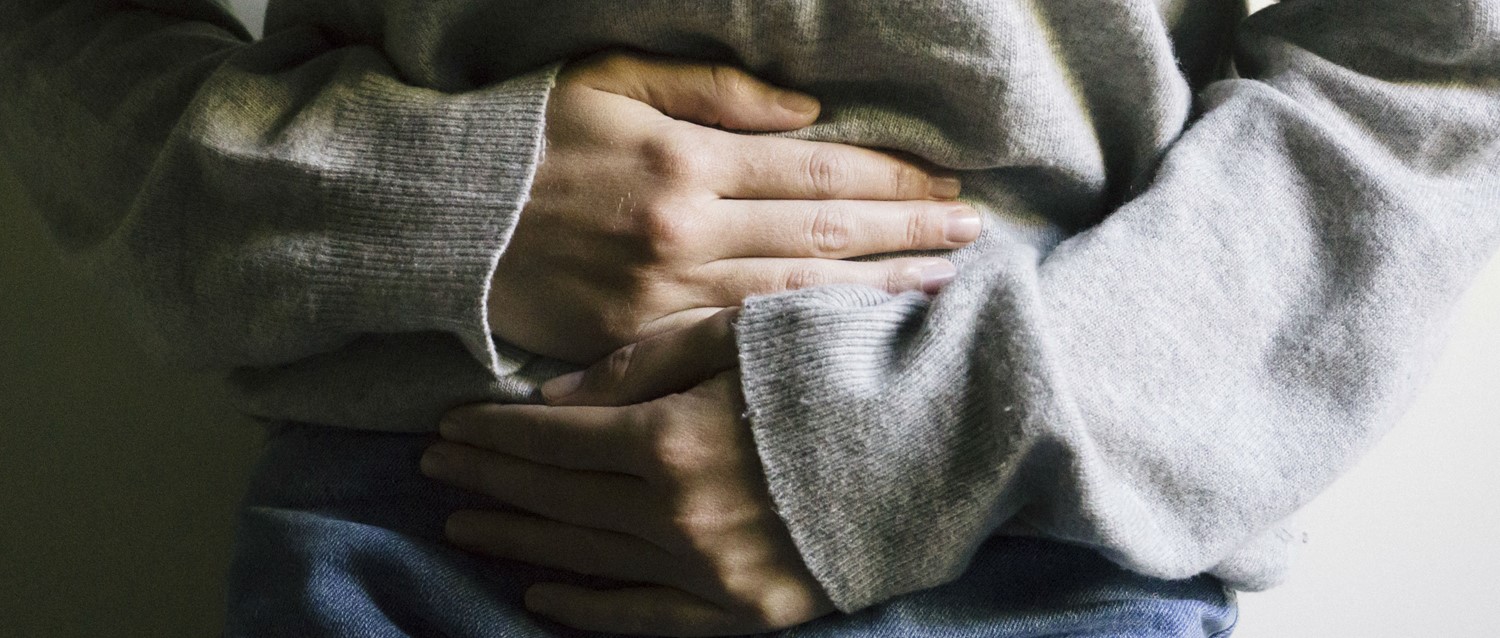
¿Qué está causando tu dolor abdominal bajo?
Revisado por pares por Dr Krishna Vakharia, MRCGPÚltima actualización por Lydia SmithÚltima actualización 12 Sept 2023
Cumple con las directrices editoriales
- DescargarDescargar
- Compartir
- Language
- Discusión
- Versión en audio
- Agregar a fuentes preferidas en Google
Pelvic (lower abdominal) pain is a dull, constant ache in bottom of your stomach. Lots of women get it and it can affect your quality of life.
Here are some of the most common causes of pelvic pain in women.
Common causes of lower abdominal pain
Periods are the main cause of pelvic pain, particularly during the first couple of days when you may have menstrual cramps or dolor menstrual. You might also get pelvic pain around the middle of your cycle when you ovulate.
These pains vary in how much they hurt, but you should speak to your doctor if they last more than a few days, start before or after your period, or impact your life.
Endometriosis
Severe pelvic pain which is related to your menstrual cycle may be a symptom of endometriosis.
Endometriosis, where cells similar to those found in the womb (uterus) lining are found outside the womb, affects around 1 in 10 women according to Endometriosis-UK. It can cause severe period pain which can effect your day to day life.
It can also cause pain between periods, painful sex, bleeding between periods and problems getting pregnant. Getting diagnosed may take some time, as symptoms can be similar to other common conditions.
Dr Pandelis Athanasias, consultant gynaecologist at the London Women's Centre, says: "On average, endometriosis takes seven and a half years, or 11 visits to the GP, to diagnose."
However, it's important not to just put up with it - speak to your doctor or a gynaecologist about your symptoms and the impact they are having on your life.
Adenomyosis
Athanasias also highlights another condition called adenomiosis - where the tissue that normally lines the womb (endometrial tissue) grows into the womb's muscular wall - which often goes undiagnosed.
This can also cause pelvic pain due to prolonged menstrual cramps, as well as heavy bleeding and pain during sex.
Enfermedad inflamatoria pélvica
If your pelvic pain isn't related to your cycle and if it's the first time you've had this type of pain, it could be an infection such as pelvic inflammatory disease (PID). PID is an infection of a woman's reproductive organs affecting the womb, Fallopian tubes and ovaries.
You may have long lasting (chronic) pelvic pain and a secreción y fever.
Embarazo
If you are - or could be - pregnant, you should be aware of the following causes of pelvic pain:
Embarazo ectópico - acute lower abdominal pain possibly accompanied by vaginal bleeding.
Rupture of the corpus luteum - a normal cyst that grows on the ovary every month in women of childbearing age.
Parto prematuro.
Ver Pelvic Pain in Women para más detalles.
Other causes of lower abdominal pain
One of the issues with lower abdominal pain is that it can be multifactorial - meaning the pain may be due to several factors, not just one.
"Usually pain can be coming from the urinary tract, the gynaecological tract, the gastrointestinal tract or it could also be a musculoskeletal cause - so you have to look at everything," says Athanasias.
Other causes of lower abdominal pain include quistes ováricos, los fibromas, síndrome del intestino irritable (IBS), pelvic congestion syndrome, infecciones del tracto urinario, apendicitis y inflammatory bowel diseases, como Crohn y colitis ulcerosa.
Can anxiety cause lower abdominal pain?
Lower abdominal pain can also be triggered by emotions such as stress, ansiedad y depresión. People who have suffered with trastorno de estrés postraumático are often at a higher risk of developing chronic pain.
To find the cause of the pain, Gynacologist, Dr Karen Morton, says that she often performs a laparoscopía, a procedure to look inside the abdomen with a camera. She warns people beforehand that they need to prepare themselves to the fact that nothing physical might be found.
"We probably find nothing more often than we find something," says Dr Morton. "There are a number of women who come to the hospital recurrently with pelvic pain.
"Indeed, there's quite a lot of research1 that shows issues such as sexual abuse can lead to women developing lower abdominal pain. And it isn't that it's not real for them, but that there's no identifiable underlying pathology. These women need a pain strategy, as well as psychological support," explains Dr Morton.
What should you do about lower abdominal pain?
Firstly, women should seek an appointment with their GP for an initial evaluation and assessment of their condition, especially if the pain is chronic, has been present for three to six months, or if it is affecting their ability to carry out normal daily activities, says Dr Hemlata.
Judy Birch, co-founder of the Pelvic Pain Support Network, says that it's difficult to cope with any recurring pain.
"Treatments vary and will be individual, based on the condition and severity. It may involve medication, surgery, physiotherapy, nerve blocks, psychology, self-management, coping strategies and combinations of any of these at various points in time."
Birch suggests keeping a simple visual diary of when the pain occurs, how long it occurs for and what relieves it, if anything.
"Take this with you when you see a doctor if you're having difficulty getting a diagnosis or managing and coping with the pain. And ask about investigations, such as an ultrasound, and even to be referred to a specialist," she explains.
Lectura adicional
Selecciones del paciente para Dolor abdominal

Salud digestiva
¿Qué sucede si tu apéndice estalla?
Tu apéndice es un pequeño órgano que se encuentra en la parte inferior derecha de tu abdomen. Puede infectarse, hincharse e incluso reventar. Esto es muy doloroso, pero es posible sobrevivir - conocer los signos y actuar rápidamente es importante.
por Amberley Davis

Salud digestiva
¿Qué causa los calambres estomacales nocturnos?
El dolor de estómago, a menudo descrito como una molestia sorda en el vientre, puede tener varias causas. Por lo general, no dura mucho y generalmente no es grave. Los calambres estomacales, por otro lado, pueden diferir de la naturaleza pasajera del dolor de estómago general.
por Victoria Raw
Sobre el autorVer biografía completa

Karen Gordon
Freelance Journalist
NCTJ
Karen es una periodista freelance calificada por NCTJ con un interés especial en la salud.
Acerca del revisorVer biografía completa

Dr Krishna Vakharia, MRCGP
Director Médico de Salud, Optum UK
MBChB, MRCGP(2013), BMedSci (hons), DFSRH, DRCOG, PGDipDerm (Distn)
La Dra. Krishna Vakharia es una médica general del NHS. También es examinadora habitual del Diploma de Posgrado en Dermatología Práctica en la Universidad de Cardiff, además de ser la Directora Médica de salud en Optum UK.
Historial del artículo
La información en esta página es revisada por pares por clínicos calificados.
Artículo también disponible en Inglés, Alemán, Español, Francés, Italiano, Portugués, Hindi, Hebreo, Árabe, y Sueco.
Next review due: 12 Sept 2026
12 Sept 2023 | Última versión
29 Ene 2018 | Publicado originalmente
Escrito por:
Karen Gordon

Pregunta, comparte, conecta.
Navega por discusiones, haz preguntas y comparte experiencias en cientos de temas de salud.

¿Te sientes mal?
Evalúa tus síntomas en línea de forma gratuita
Suscríbete al boletín de Patient
Tu dosis semanal de consejos de salud claros y confiables, escritos para ayudarte a sentirte informado, seguro y en control.
Al suscribirte aceptas nuestros Política de Privacidad. Puedes darte de baja en cualquier momento. Nunca vendemos tus datos.
Más sobre salud digestiva
- ¿Puede la gastroenteritis tener efectos a largo plazo?
- ¿Podrían ser cálculos biliares?
- ¿Realmente ayuda el jugo de aloe vera a la salud intestinal?
- Cómo las bacterias intestinales afectan el estado de ánimo, la concentración y la salud cerebral
- Cómo lidiar con la indigestión navideña
- Cómo tratar la gastroenteritis
- Cómo cuidar tu hígado
- Hipnoterapia para el SII: el eje intestino-cerebro
- ¿Es realmente reflujo? Por qué podrías estar mal prescrito con IBP
- Heces - ¿qué es normal?
- NuevoLeche cruda: ¿realmente es buena para ti o solo otra tendencia de bienestar?
- Los mejores alimentos para la salud intestinal - y por qué los necesitas
- ¿Qué causa los calambres estomacales nocturnos?
- ¿Qué sucede si tu apéndice estalla?
- ¿Qué es el sobrecrecimiento bacteriano del intestino delgado (SIBO)?
- ¿Cuál es la mejor dieta para la enfermedad de Crohn?
- ¿Cuál es la relación entre la recuperación de un derrame cerebral y la salud intestinal?
- Qué comer cuando tienes gastroenteritis
- Lo que necesitas saber sobre la hepatitis
- ¿Por qué te suena el estómago cuando no tienes hambre?