
¿Cuál es la diferencia entre un efecto secundario y una alergia a los medicamentos?
Revisado por pares por Dr Krishna Vakharia, MRCGPÚltima actualización por Victoria RawÚltima actualización 24 Oct 2024
Cumple con las directrices editoriales
- DescargarDescargar
- Compartir
- Language
- Discusión
- Versión en audio
- Agregar a fuentes preferidas en Google
Muchos de mis pacientes confunden los efectos secundarios o la intolerancia con una alergia. Los efectos secundarios pueden desaparecer con el tiempo y puede haber medidas que puedas tomar para reducir la probabilidad de experimentarlos. Pero si tienes una reacción alérgica, debes dejar de tomar el medicamento y no volver a tomarlo.
Last year in England, more than 1 billion prescriptions were issued. That's an awful lot of medicines, and an awful lot of potential for side effects as well as allergies.
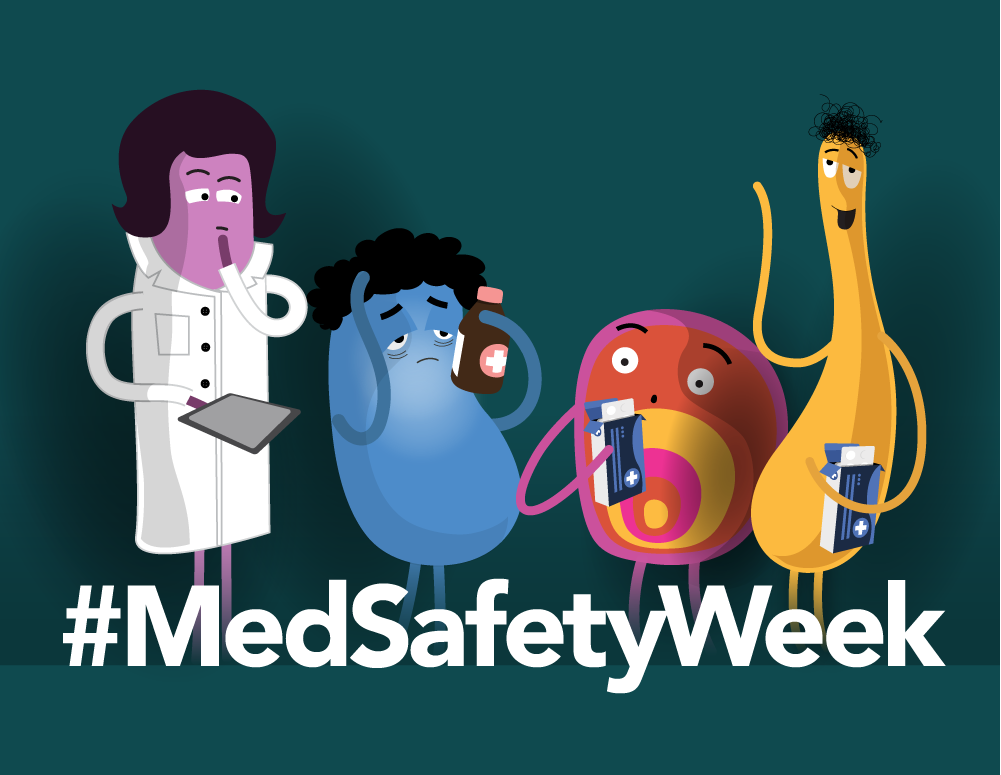
#MedSafetyWeek is an annual campaign organised by the Medicines and Healthcare products Agency (MHRA). This encourages you to report any suspected side effects from medicines, a medical device incident, or if you believe a product isn't working as intended. The MHRA Yellow Card Scheme helps to detect and resolve potential safety issues with medicines and healthcare products.
#MedSafetyWeek 2024 (4-10 November)
How to tell if you have a drug allergy
A drug allergy is your immune system's reaction to a medicine. It's important to be aware of alimentarias, because if you take the same medicine again, the reaction could be worse.
Antibióticos - particularly penicilina - are a good example. The first allergic reaction many people have is an itchy rash. But once your body is primed to recognise something as an enemy, your sistema inmunológico reacts more strongly.
In worst case scenarios, it could result in a potentially life-threatening reaction called anafilaxia. This is a sudden itchy rash - like nettle rash - that's accompanied by wheezing, palpitaciones, mareos, swelling around the mouth, the lips and the tongue, and more.
Erupciones are usually due to allergy, and if you develop a rash shortly after starting a medicine it should always be checked out.
If you've ever been told you're allergic to any medicine, tell your doctor or pharmacist before they issue a new medicine.
How to tell if it's a side effect?
Side effects, rather than allergies, are far more common. Among the most common examples are:
Sentimiento enfermedad y/o diarrea - with antibiotics like erythromycin, statins, some painkillers and antidepresivos medicines.
Needing to pee more often - with 'water' tablets for high blood pressure or heart failure, and some medicines for diabetes tipo 2.
Cansancio - with strong painkillers, some los antihistamínicos or depression tablets and beta-blockers for abnormal heart rhythms.
Muscle aches - with estatinas.
With most medicines, side effects tend to be worse just after you start the tablets, and often settle within days or weeks at most. There are exceptions. With the blood pressure-lowering inhibidores de la ECA, dry seca - or even swelling around the face and lips (angioedema) - can develop more than one year after starting.
Read the leaflet
It's worth talking with your pharmacist and reading the patient leaflet for a full list of recognised side effects. However, it's important to remember that many side effects are very rare - they all have to be listed for legal reasons, even if most people don't get them.
Check the label of your medicine - some tablets may cause side effects if taken on an empty stomach, but will be fine with food.
Never take someone else's prescription medicine, or share yours with anyone else. Keep all medicines out of sight and reach of children. Always read the patient information leaflet (PIL) or instructions that come with any medicine or medical device. This will provide important details about potential side effects, risks, and how to use the product correctly.
Ask the pharmacist
I'm a huge fan of community pharmacists. This is yet another time they can be invaluable. Your community pharmacist really is the expert where medication is concerned.
They can tell you if a symptom is likely due to your medicine, whether it's likely to settle and what you should do. They can also advise on possible interactions between drugs you're taking. Do remember that herbal remedies and even food supplements can cause side effects or interact with prescribed medicines, so let your pharmacist know everything you're taking.
If you're having any symptoms you think might be related to your medicine, speak to your pharmacist first, unless it's a medical emergency. As with a GP appointment, it helps to be prepared. Make a list of any symptoms you have as well as any medicines you take - and that includes medicines bought over the counter. Even anti-inflammatory drugs like ibuprofeno, available without prescription, can cause tummy pain and bleeding.
Depending on what medicines you take, you may be able to book a review of your medicines with your pharmacist using Acceso del Paciente.
What about 'natural' remedies?
Many people assume that 'natural’ supplements or remedies are safe and don't have side effects. However, everything that has a positive effect can have a negative effect as well. The list is endless, but some examples include St John's wort, used for depresión, y aspirina - whether prescribed or taken for pain.
If you're taking the blood-thinner warfarina - commonly used if you have an abnormal heart rhythm called fibrilación auricular - you need to be particularly careful. It interacts with a host of prescribed medicines, supplements, and even food and drink - including alcohol, Brussels sprouts, and curly kale.
It's important to have regular blood tests when you're taking warfarin, but it's also a good idea to have a chat with your pharmacist about possible interactions, especially if your blood tests aren't stable.
How to report side effects
If you get any side effects, talk to your doctor, pharmacist, or nurse. This includes any possible side effects not listed on this page or the information that comes with the medicine. You can also report side effects yourself - or on behalf of someone you’re caring for - using the Medicines and Healthcare products Regulatory Agency (MHRA) Yellow Card scheme.
Every report counts, and helps the MHRA monitor the safety of medicines and prevent future harm to others. You can also download the MHRA Yellow Card aplicación in the Google Play or Apple App Store.
By reporting side effects you can help provide more information on the safety of this medicine.
With thanks to My Weekly magazine, where this article was originally published.
Selecciones del paciente para Alergias
Alergias, sangre y sistema inmunológico
¿Valen la pena las pruebas de alergia privadas?
Las alergias e intolerancias están en aumento, particularmente hacia los alimentos. Más de cuatro de cada diez adultos en el Reino Unido se ven afectados. Pero si sospechas que tienes una alergia o intolerancia, ¿cómo puedes averiguar cuál es el culpable? Desafortunadamente, el NHS ofrece un número limitado de pruebas de alergia. Las pruebas se pueden obtener de forma privada, pero una búsqueda en internet de 'prueba de alergia' arrojará más de un millón de resultados, muchos de los cuales conducen a opciones bastante costosas. Pero, ¿vale la pena seguir alguna de estas? Echamos un vistazo a la evidencia.
por el Dr. Gurvinder Rull, MBBS

Alergias, sangre y sistema inmunológico
Cuándo preocuparse por una reacción alérgica
Las alergias son complicadas. Ocurren cuando tu sistema inmunológico, que usualmente ayuda a tu cuerpo a combatir infecciones y otros intrusos, reacciona de manera exagerada. También son muy comunes, afectando a alrededor de una cuarta parte de las personas en el Reino Unido en algún momento. Aproximadamente la mitad de las personas con alergias son niños, pero puedes desarrollar una alergia a cualquier edad. Aunque muchas son leves, como una nariz que pica por una fiebre del heno leve, otras pueden ser potencialmente mortales. Entonces, ¿cómo sabes la diferencia?
por la Dra. Sarah Jarvis
Sobre el autorVer biografía completa

Dra. Sarah Jarvis
Consultora Clínica
MA (Cantab), BM, BCh (Oxon), DRCOG, FRCGP, MBE
Después de formarse en medicina en Cambridge y Oxford, la Dra. Sarah Jarvis MBE se convirtió en médica general.
Acerca del revisorVer biografía completa

Dr Krishna Vakharia, MRCGP
Director Médico de Salud, Optum UK
MBChB, MRCGP(2013), BMedSci (hons), DFSRH, DRCOG, PGDipDerm (Distn)
La Dra. Krishna Vakharia es una médica general del NHS. También es examinadora habitual del Diploma de Posgrado en Dermatología Práctica en la Universidad de Cardiff, además de ser la Directora Médica de salud en Optum UK.
Historial del artículo
La información en esta página es revisada por pares por clínicos calificados.
Artículo también disponible en Inglés, Alemán, Español, Francés, Italiano, Portugués, Hindi, Hebreo, Árabe, y Sueco.
Próxima revisión: 24 de octubre de 2027
24 Oct 2024 | Última versión
4 May 2020 | Publicado originalmente
Escrito por:
Dra. Sarah Jarvis

Pregunta, comparte, conecta.
Navega por discusiones, haz preguntas y comparte experiencias en cientos de temas de salud.

¿Te sientes mal?
Evalúa tus síntomas en línea de forma gratuita
Suscríbete al boletín de Patient
Tu dosis semanal de consejos de salud claros y confiables, escritos para ayudarte a sentirte informado, seguro y en control.
Al suscribirte aceptas nuestros Política de Privacidad. Puedes darte de baja en cualquier momento. Nunca vendemos tus datos.
Más sobre alergias, sangre y sistema inmunológico
- ¿Todos los tratamientos para la fiebre del heno son iguales?
- ¿Tus decoraciones navideñas están desencadenando tus alergias?
- Un análisis de sangre podría predecir el Alzheimer 20 años antes de los síntomas
- Prueba de sangre puede detectar cáncer de ovario dos años antes
- ¿Puede una nueva prueba de sangre detectar el cáncer de pulmón temprano?
- ¿Realmente mi dieta afecta mi sistema inmunológico?
- ¿La píldora anticonceptiva aumenta el riesgo de coágulos sanguíneos?
- Inyección para la fiebre del heno: ¿es seguro Kenalog?
- Fiebre del heno: Cómo lidiar con una 'bomba de polen'
- Cómo fortalecer tu sistema inmunológico de forma natural
- Una nueva prueba de sangre podría diagnosticar la insuficiencia cardíaca más temprano
- El NHS lanzará la primera prueba de sangre para el cáncer en el mundo
- Video: ¿Cómo saber si eres intolerante a los lácteos?
- ¿Cuáles son los signos de advertencia temprana del cáncer de sangre?
- ¿Qué significa el nuevo tratamiento para la enfermedad de células falciformes para los pacientes con esta enfermedad?
- ¿Qué es una prueba de sangre CA125?
- ¿Qué es la intolerancia al gluten?
- Cómo es tener lupus
- Lo que las mujeres deben saber sobre las enfermedades autoinmunes
- Lo que necesitas saber sobre las reacciones alérgicas