
What you need to know about allergic reactions
Peer reviewed by Dr Colin Tidy, MRCGPLast updated by Dr Sarah JarvisLast updated 17 Apr 2018
Meets Patient’s editorial guidelines
- DownloadDownload
- Share
- Language
- Discussion
- Audio Version
- Add to preferred sources on Google
When I was a medical student, we had a couple of hours' dedicated teaching on allergies in our whole six years of training. Consultants who specialised just in allergies didn't exist - there were a few doctors working in asthma or eczema who had a particular interest, but it wasn't big news. But in the last few years, big (and dangerous) news is precisely what it has become.
Are allergies on the rise?
Allergies happen because our immune system, whose job is to fight off our body's enemies, over-reacts to something it's exposed to.
Allergy is one of the most common chronic illnesses in Europe. Up to 20% of patients with allergies struggle daily with the fear of a possible asthma attack, anaphylactic shock, or even death from an allergic reaction.
The most dangerous kind of allergy - life-threatening anaphylaxis- is definitely on the rise. In the past couple of decades, the number of hospitalisations caused by anaphylaxis has increased six-fold. Fortunately it's still uncommon, but it is still responsible for about 20 deaths a year in the UK, mostly among children and young adults.
Holly Shaw, nurse advisor at Allergy UK, says:
"Allergic disease is increasing, with the UK having one of the highest rates of allergy in the western world. What is driving this rise cannot be attributed to one particular element but a combination of 'modern lifestyle' factors, including exposure or a lack of exposure to a diverse range of good and bad bugs."
She explains that no one's sure why allergies have risen so sharply, but it could be due to all sorts of things, from the way children are brought into the world (ie an increase in Caesarean section births), to our modern diets and even where we live.
"However, this remains a complicated jigsaw puzzle with pieces missing that can only be informed by emerging research," Shaw adds.
What causes anaphylaxis?
Some people get anaphylaxis with no obvious cause. However, the known culprits include nuts (especially peanuts), shellfish, eggs, kiwi fruit, bee or wasp stings and medicines like antibiotics or aspirin.
Symptoms come on rapidly and are very dramatic. They include tongue and lip swelling, wheezing, dizziness, itching, flushing, palpitations, tummy pain, breathing problems, 'nettle' rash, confusion and sometimes collapse.
If you've ever had an anaphylactic reaction, it's essential to get tested for possible causes, so you can avoid it completely. You'll also need to carry treatment with you everywhere. This includes an injection pen device which gives a rapid dose of adrenaline - friends and family should know how to use it too. Wearing a medical alert bracelet is a good idea; rapid treatment can save lives.
Do you grow out of allergies?
It is possible to grow out of some allergies, even if they're very serious - egg allergy in very young children is one example. And 80-90% of babies with non IgE-mediated cow's milk protein allergy will grow out of it by the time they're 3 years old.
Until recently, we've also assumed the same could not be said for nut allergies - a nut allergy, I was always taught, was for life. But there have now been some promising studies looking at whether very carefully monitored treatment can stop young people with peanut allergy from reacting or even prevent high-risk children from developing peanut allergy in the first place.
Definitely don't try this at home though. The future for allergies may be different. But until then, once you've had an anaphylactic reaction to something, you'll need to avoid even the tiniest exposure to it for life.
The less serious ones
Fortunately, most allergies are less severe than anaphylaxis.
Hay fever
Hay fever, caused by pollen allergy, is miserable but not life-threatening, although bad symptoms can bring on an asthma attack. Symptoms include itchy nose, eyes and throat, sneezing and runny or blocked nose.Treatments range from antihistamine tablets to eye drops and steroid nasal sprays.
Simple measures often help - staying inside when pollen counts are high; wearing wrap-around sunglasses; showering and washing your hair when you come inside; and using a natural pollen barrier such as Vaseline® or HayMax® under your nostrils, to reduce pollen getting up your nose. Antihistamine tablets can help for all sorts of allergies, including food allergies that cause itchy rashes.
Contact dermatitis
Contact dermatitis is a skin allergy to something you touch. Common culprits include cosmetics (including hair dyes), metal (especially nickel or cobalt in jewellery), latex, plants (like daffodils, chrysanthemums, tulips and sunflowers), and preservatives in creams or ointments. Skin gets red, sore and inflamed - sometimes days after you've touched what you're allergic to.
Your doctor can prescribe unscented moisturisers and steroid cream to settle the symptoms. If it's not clear what the cause is, he or she may refer you for 'patch testing', where tiny amounts of different products are put on your skin for two days. If a cause is found, you'll need to avoid the tiniest trace of it to avoid the same problem in future. Beware private 'specialists' who offer hair analysis, kinesiology or 'Vega testing' for allergies - they don't work!
Food allergies
Food allergies (especially to nuts, cow's milk and eggs) are more common in children. Lots of adults believe they have food allergies - but actually, only one in five people who are tested turn out to have an allergy.
Most of the rest have food intolerance rather than allergy. This is important, because food intolerances are never life-threatening. Food intolerance usually causes symptoms in your gut - tummy pain, bloating, wind, feeling sick or diarrhoea. You may be fine if you have a small amount (unlike with some food allergies, where the tiniest trace can bring on a reaction).
Should you change your diet?
I have quite a lot of patients who make drastic changes to their diet because they believe they have food allergies. But this can be bad for your health - an unbalanced diet can leave you short of vital vitamins and other nutrients. Before making major changes, see your GP, who may be able to refer you to a dietician.
Patient picks for Allergies

Allergies, blood and immune system
When to worry about an allergic reaction
Allergies are complicated. They happen when your immune system, which usually helps your body fight off infection and other intruders, over-reacts. They're also very common - affecting around one quarter of people in the UK at some point. About half of people with allergies are children but you can develop an allergy at any age. While many are mild - an itchy nose from mild hay fever is one of the commonest - others can be life-threatening. So how do you know the difference?
by Dr Sarah Jarvis
Allergies, blood and immune system
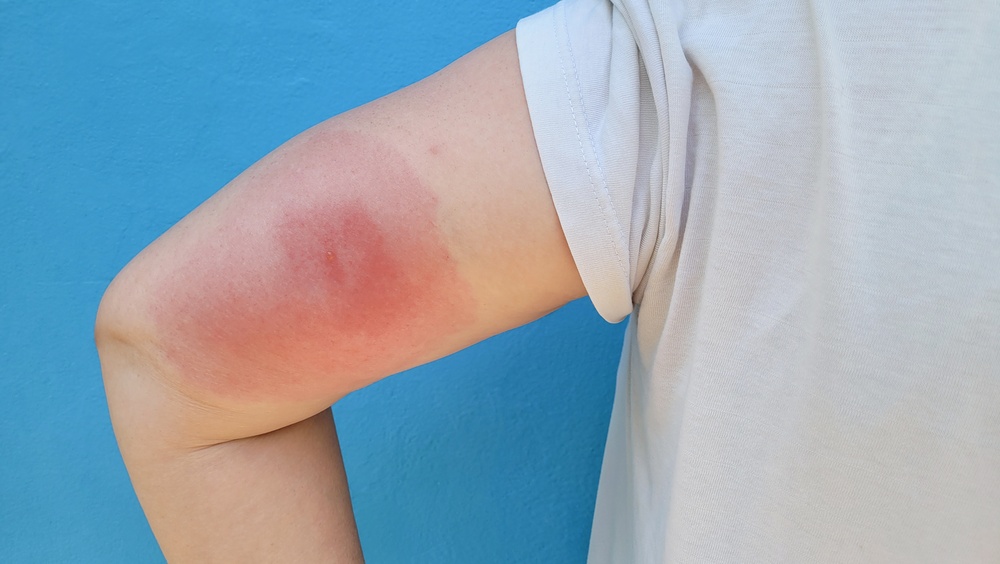
What is Skeeter syndrome? When a mosquito bite is more than just an itch
For most people, a mosquito bite is no more than an itchy nuisance. But for some people, a bite can trigger a much more dramatic reaction, with extensive swelling, redness, warmth, and itching that can last for several days. This reaction is known as Skeeter syndrome.
by Heather Ainsworth
About the authorView full bio

Dr Sarah Jarvis
Clinical Consultant
MA (Cantab), BM, BCh (Oxon), DRCOG, FRCGP, MBE
After training in medicine at Cambridge and Oxford, Dr Sarah Jarvis MBE became a GP.
About the reviewerView full bio

Dr Colin Tidy, MRCGP
General Practitioner, Medical Author
MBBS, MRCGP, MRCP (Paediatrics), DCH
Dr Colin Tidy is an NHS Doctor, based in Oxfordshire.
Article history
Article also available in English, German, Spanish, French, Italian, Portuguese, Hindi, Hebrew, Arabic, and Swedish.
17 Apr 2018 | Latest version
Join the conversation
Share your thoughts or experiences with others in our patient communities.

Ask, share, connect.
Browse discussions, ask questions, and share experiences across hundreds of health topics.

Feeling unwell?
Assess your symptoms online for free
Sign up to the Patient newsletter
Your weekly dose of clear, trustworthy health advice - written to help you feel informed, confident and in control.
By subscribing you accept our Privacy Policy. You can unsubscribe at any time. We never sell your data.
More in allergies, blood and immune system
- Anaphylactic shock: symptoms, triggers, and what to do
- Are all hay fever treatments the same?
- Check pollen levels in your area
- Cow's milk allergy in babies: What is the milk ladder?
- Does the contraceptive pill increase your risk of blood clots?
- Hay fever injection: is Kenalog safe?
- Hay fever: How to cope with a 'pollen bomb'
- How to find the right treatment for your hay fever
- How to get over a fear of blood tests
- How to get rid of your cat allergy symptoms
- How to naturally boost your immune system
- How to prepare for a blood test
- How to protect your baby against allergies
- How to travel safely if you have allergies
- Is hay fever linked to depression?
- NHS to roll out world-first blood test for cancer
- What are the signs of a cow's milk allergy in babies?
- What works best for treating hay fever in children?
- When is hay fever season in the UK - and how can you avoid the symptoms?
- Why do some people suddenly develop hay fever?