
How to prevent genital irritation from affecting your sex life
Peer reviewed by Dr Krishna Vakharia, MRCGPAuthored by Sally TurnerOriginally published 18 Aug 2022
Meets Patient’s editorial guidelines
- DownloadDownload
- Share
- Language
- Discussion
- Audio Version
- Add to preferred sources on Google
We look at the lifestyle factors that may be a trigger for skin allergies and genital irritation and hear from the experts about how to address them.
Allergies, irritants, injuries, and infections can all cause inflammation in the genital region, resulting in rashes, blisters, bumps, and other skin problems. And while there are certainly common culprits when it comes to allergies and irritants, there are some more unusual causal factors too. Research suggests that in general, women are more prone than men are to allergies, as a result of female sex hormones elevating both risk of allergy and symptom levels.
"There's not always an immediate hypersensitivity in the genital skin," says Dr Victoria Swale, a consultant dermatologist and council member of the British Society for the Study of Vulval Diseases.
"A more common problem is a delayed hypersensitivity reaction to latex condoms for example, or more commonly to things like preservatives or fragrances in soaps and intimate wipes. Sometimes a patient will say 'I've been using it for years - it can't be that'. But actually it is; the immune system has been trained over time to become reactive to the irritant and will eventually react."
What can cause genital irritation?
Paulina Wawrzynczyk is an Education and Wellbeing Specialist at Brook, the national sexual health charity. She explains that it's possible to experience genital irritation from a broad range of products and activities, and multiple factors can be involved in provoking a reaction.
Changes in habits
"Some women find that their own vaginal discharge or menstrual blood can be a source of irritation," she says. "It may be that generally you're not irritated by these things but under certain conditions symptoms can flare up.
"For example, if you're on holiday and do things you don't normally do - spending more time in the heat in nylon swimwear; swimming frequently in a chlorinated pool, and having more sex. These factors may aggravate the sensitive genital skin, making an inflammatory response more likely."
Hair removal products
Hair removal techniques can cause irritation in the genital area which can be exacerbated by wearing tight-fitting underwear or swimwear. Shaving can result in folliculitis - an inflammation of the hair follicles - to help reduce this you should shave in the direction of hair growth. Avoid using depilatory creams on the genitals as they contain chemicals that can irritate the sensitive skin.
Unnecessary washing
As for frequent washing, it can do more harm than good says Dr Anna Pallecaros, a specialist consultant in genitourinary medicine.
"I've seen many patients with sore genital skin improve simply by reducing unnecessary washing," she explains. "Rates of atopic dermatitis are rising as fast as 10% a year because our skin microbiomes are being disrupted by over-washing, and by washing with products that irritate and dry out the genital skin. Steer clear of moist toilet paper and intimate wipes as they often contain preservatives, particularly methylisothiazolinone (MI) which is now the most common cause of allergic contact dermatitis."
Preservatives such as MI are used to prevent bacterial contamination in numerous water-based products and a 2015 study demonstrated that MI could cause acute inflammation.
Intimate wash products
"Be really careful about what you put in your vagina," adds Wawrzynczyk. "No douching! The vagina is a self-cleaning organ and has a delicate pH level which can be easily disrupted. I hear of younger women inserting herbal 'cleaning pearls' into the vagina and using 'masks' to 'brighten and hydrate' the vulva; or bleaching creams in the vulval and anal area. This can be problematic and may lead to allergic reactions or irritation."
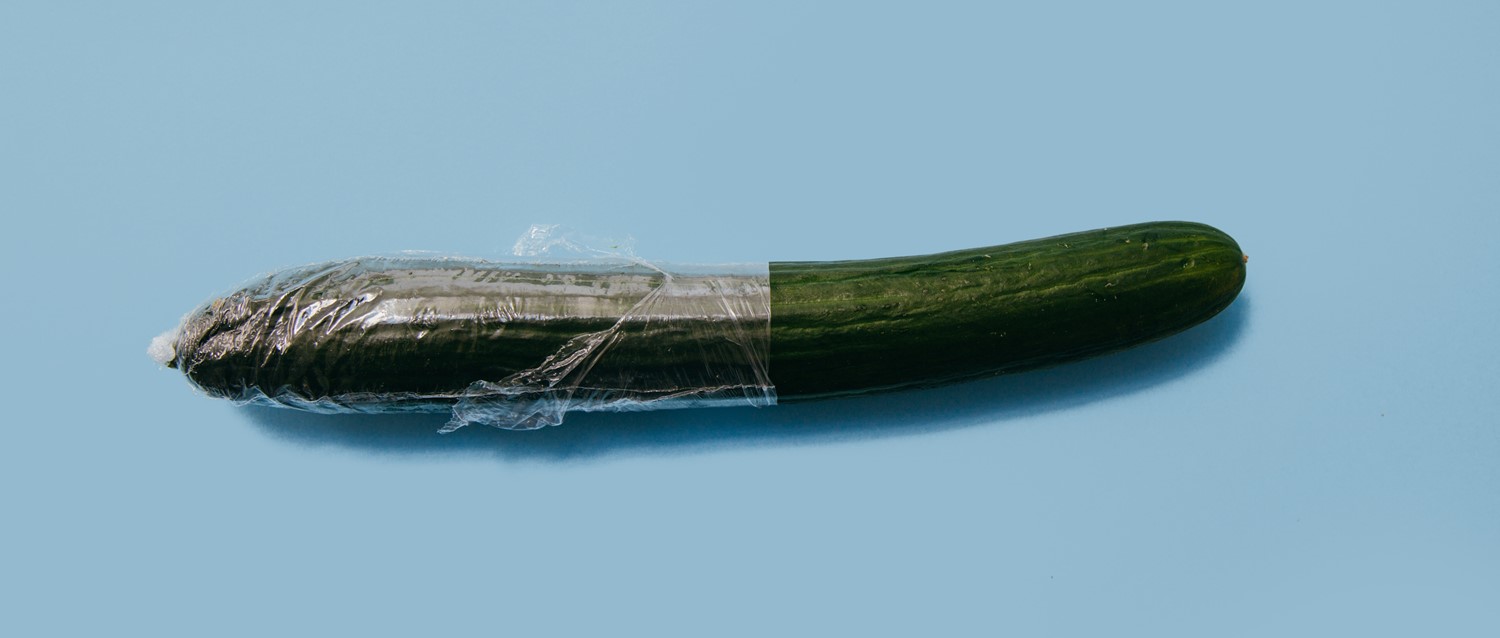
Condoms, lubes, and sex toys
Former nurse Samantha Evans is co-founder and managing director of sex toy company Jo Divine. She explains that some sexual lubricants can be a trigger for skin allergies and vaginal thrush:
"Some women experience vulval irritation or get recurrent thrush, not realising their lube is causing the problem. Some lubes contain problematic ingredients including glycerine/glycerol which research shows is a food source for Candida albicans and can be an irritant for the sensitive vulval skin. Glycerine exacerbates vaginal dryness and increases susceptibility to vaginal infections, particularly after sex. Sorbitol and agave are also now being promoted as 'natural' ingredients, but they are both irritants and can cause thrush too.
She advises using a pH-balanced lubricant free from glycerine, glycols, petroleum, and parabens, and to choose condoms that are not lubricated with products containing these additives. Non-latex condoms are also available for people allergic to latex.
"Many men have noted some irritation when using condoms but had no idea the irritation could be caused by the ingredients of the lube. Many switch to silicone-lubricated condoms or use non-lubricated condoms with water-based or silicone-based lubes."
Swimwear and underwear
"On holiday people are often going in and out of the sea and swimming pools frequently," notes Swale. "The chlorine in swimming pools can be an irritant, so always rinse with water afterwards. And for anybody who has a pre-existing vulval skin condition, smear on a bland emollient barrier such as Epaderm or Diprobase before swimming. Rinse it off afterwards and re-moisturise with a little more."
Make sure you change out of sweaty gym clothes or wet swimming garments as soon as possible and opt for breathable cotton underwear. Using unperfumed, non-biological washing detergents to wash underwear may reduce the risk of allergy, and ditch the fabric conditioner.
Antihistamines and other medications
Hay fever is often an issue during the summer months and many of us will reach for antihistamines to control troublesome symptoms. Antihistamines work by drying out mucous membranes, which are present in the vagina as well as in the nose and sinuses. So, using extra lube may be beneficial.
Inhaled irritants including ragweed, mould, dust mites and grass pollen have also been shown to exacerbate vaginitis (soreness and swelling of the vagina) in some women according to a research study published in 2016.
Another study has demonstrated that genital allergy can often be a missed diagnosis and can be categorised into different types of reaction.
"Whenever I see a genital rash, I'm always thinking of the many possible common and uncommon causes," says Pallecaros. "I once had a patient who had a rash on his genitals and nowhere else on the body. It turned out to be a sudden, unexpected drug allergy to paracetamol, which he had taken many times before without issue."
What to do if you have genital irritation symptoms
You can visit your GP or the sexual health clinic at your local hospital if you have ongoing or unusual genital irritation symptoms. If you think you may have vaginal thrush, try an over-the-counter anti-thrush treatment. If it doesn't resolve your symptoms, don't continue with over-the-counter treatments. In these cases, it is important to see a doctor who may want to do some vaginal swabs. If you suspect allergy as a possible cause, or you are not sure what is triggering your symptoms, it is always best to seek medical advice. Sexually transmitted infections, hormonal imbalances (as a result of using the contraceptive pill or going through menopause), or genital conditions such as vulvodynia or lichen sclerosus may be the source.
"Women can mistake vulval symptoms for thrush and continue to self-treat with over-the-counter anti-thrush medications," warns Swale. "That can actually worsen the situation because they can irritate sensitive vulval skin if used too frequently. I see this several times a week in my clinic."
If you have any concerns about your sexual health, it's worth getting a check-up at your local sexual health clinic as soon as you can to ensure any symptoms can be treated. If in doubt, talk to your doctor.
Patient picks for General sexual health

Sexual health
What you need to know about sexual consent
The #MeToo movement sparked an unprecedented conversation around sexual harassment and assault and saw many people come forward with allegations against powerful men in Hollywood. It started a discussion not only about the assault, but about sexual consent too. Here is everything you need to know about consent - and why it is so much more than just saying no.
by Lydia Smith
Sexual health
What young people really want from sex education
Relationships and sex education in England is about to change. And the Department for Education has been consulting the public, experts and schools about what it should look like. We explore the topics young people, and the charities and health experts supporting them, hope will be included in the new guidelines.
by Milly Evans
About the authorView full bio
Authored by

Sally Turner
Freelance Journalist
BA Media Production
Sally Turner is a writer and broadcaster specialising in sexual health and women’s issues.
About the reviewerView full bio

Dr Krishna Vakharia, MRCGP
Chief Medical Officer for Health, Optum UK
MBChB, MRCGP(2013), BMedSci (hons), DFSRH, DRCOG, PGDipDerm (Distn)
Dr Krishna Vakharia is an NHS GP. She is also a regular examiner for the postgraduate Diploma in Practical Dermatology at Cardiff University as well as being the Chief Medical Officer for health at Optum UK.
Article history
Article also available in English, German, Spanish, French, Italian, Portuguese, Hindi, Hebrew, Arabic, and Swedish.
18 Aug 2022 | Originally published
Authored by:
Sally TurnerPeer reviewed by
Dr Krishna Vakharia, MRCGP
Join the conversation
Share your thoughts or experiences with others in our patient communities.

Ask, share, connect.
Browse discussions, ask questions, and share experiences across hundreds of health topics.

Feeling unwell?
Assess your symptoms online for free
Sign up to the Patient newsletter
Your weekly dose of clear, trustworthy health advice - written to help you feel informed, confident and in control.
By subscribing you accept our Privacy Policy. You can unsubscribe at any time. We never sell your data.