
¿Cómo puedes saber si tienes alergia al látex?
Revisado por Dr Krishna Vakharia, MRCGPEscrito por Emily Jane BashforthPublicado originalmente 15 Jun 2022
Cumple con las directrices editoriales
- DescargarDescargar
- Compartir
- Language
- Discusión
- Versión en audio
- Agregar a fuentes preferidas en Google
While you've probably heard of people being allergic to latex, you might be unsure of how a latex allergy presents itself, or perhaps you suspect you have one yourself. How do you know if you have a latex allergy and whether it can be treated?
Explore allergy relief tablets
Reciba asesoramiento sanitario experto desde la comodidad de su hogar. Complete una consulta rápida en línea, disponible las 24 horas del día, los 7 días de la semana, y un profesional sanitario colegiado en el Reino Unido revisará su solicitud. Hay entrega al día siguiente disponible para los tratamientos que cumplan los requisitos.

What is latex allergy?
Latex allergy was first recognised 50 years ago. It occurs when a person develops allergic symptoms due to coming into contact with natural rubber latex (NRL). This is found in the sap of the rubber tree (Hevea brasiliensis) and is used to make a range of rubber products.
Hundreds of different allergens have been documented in natural rubber latex. Many other chemicals, added in the rubber manufacturing process, are also common allergens such as antioxidants, and various substances.
Natural rubber latex is found in many medical products in common use, such as:
Medical gloves.
Rubber tubes.
Tourniquets (used when taking blood).
Catheters.
It is also found in:
Drinking straws.
Balloons.
Elastic.
Aerosoles.
Condones.
Many other everyday household items.
La Dra. Deborah Lee de Farmacia en Línea Dr Fox explains that when an allergic person comes into contact with any of these allergens, an immune reaction occurs. This leads to symptoms (see below) that can range from mild to severe depending on the person.
"Latex allergens can also be inhaled. For example, latex particles can be absorbed by corn starch, which is often added to rubber gloves, so when the pack is opened, the latex aerosol is released into the air" says Dr Fox.
What are the symptoms of latex allergy?
Latex allergies can present themselves in different ways. In very mild cases of latex allergy, a little skin irritation may occur.
This irritation is caused by histamine, which stimulates inflammation by causing blood vessels to dilate and increase the blood flow to the area. The tissue swells, and becomes red and hot, leading to an itchy rash (dermatitis de contacto).
However, in more aggressive latex allergies, a person can experience life-threatening anaphylaxis. Anafilaxia occurs when your body goes into shock as your blood pressure drops suddenly, your airwaves narrow, and your pulse weakens.
Mild symptoms of latex allergy
Itchy eyes.
Goteo nasal.
Itchy back of the throat.
Irritated skin.
Severe latex allergy symptoms
If these occur, you must seek medical advice immediately:
Erupciones cutáneas.
Ampollas.
Anafilaxia
This happens with severe latex allergy, which can mean:
Swelling of the mouth, tongue, and throat.
Dificultad para respirar.
Sibilancias.
Tos.
Dr Fox highlights that acute anaphylaxis can be fatal in just 15 minutes, so immediate medical intervention is required. Here in the UK, you would call 999 for an emergency ambulance.
How long do latex allergy symptoms last?
"Mild allergic contact dermatitis is likely to cause symptoms within 12-24 hours of exposure to latex. Allergy symptoms will persist for as long as the exposure to latex continues. After the allergen is removed, recovery is usually within a matter of hours, or after a few days," says Dr Fox.
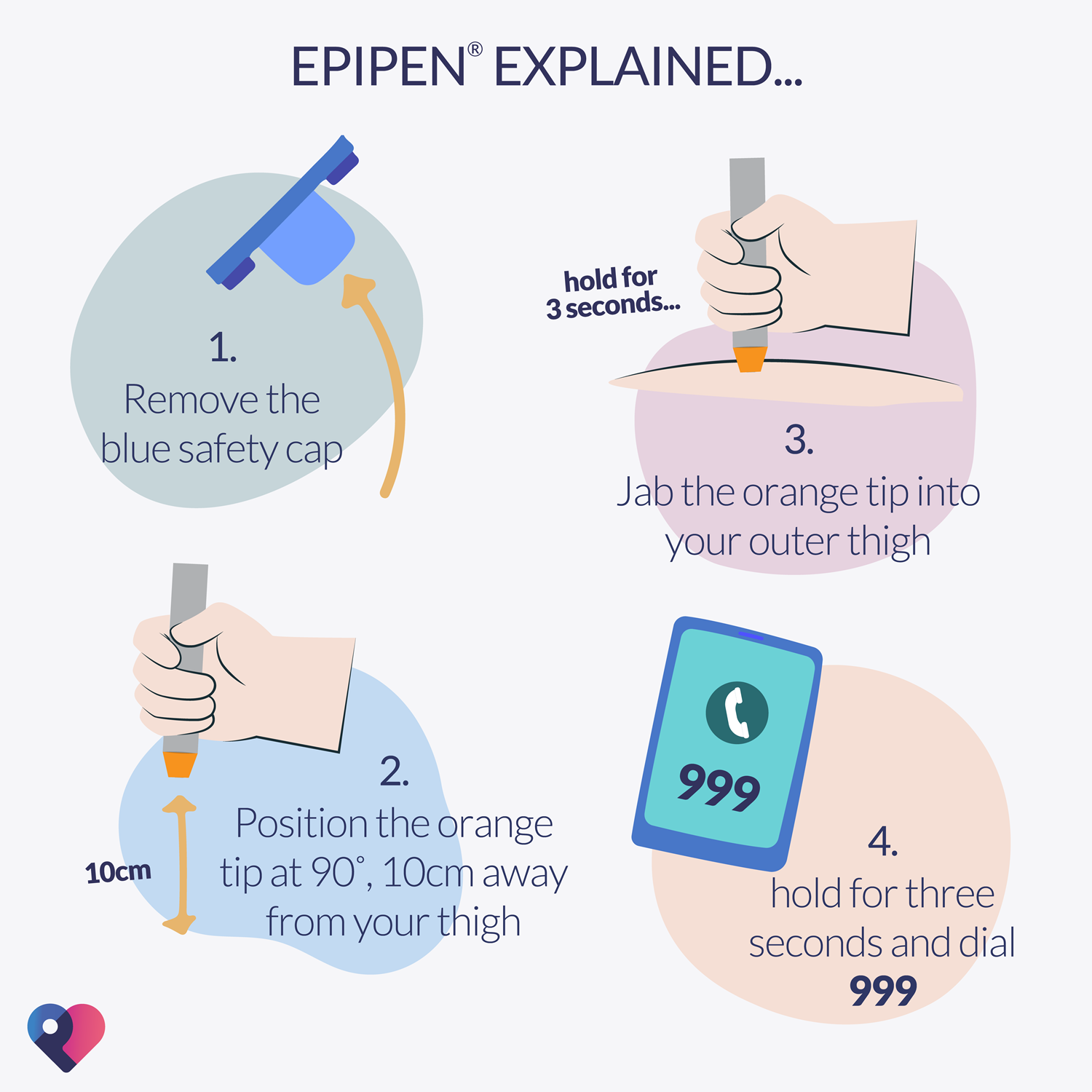
"An allergic reaction to latex can start within a few minutes to a few hours after exposure. It can come on very quickly, which is why sufferers need to know how to manage an attack if they feel it coming on and carry an EpiPen."
Figure 1
Is latex allergy common?
Research suggests that 4.3% of the world's population may have a latex allergy.
Although anyone can develop a latex allergy, it is more common in certain professions where workers are regularly exposed to latex. It is thought to be more common in those working in the health sector, given how frequently staff are exposed to NRL in medical items at work.
In fact, around 15% of healthcare workers suffer from a latex allergy, including 30% of dentists and 50% of surgeons.
Dr Fox further explains that there are other risk factors to having a latex allergy.
For example, latex allergy is said to be five times more common in children with espina bífida. It has also been found to be more common in those who have had five or more surgical procedures, who have neurological conditions (such as parálisis cerebral), or already have other allergies.
Other occupations can also put people at a higher risk of developing a latex allergy. These jobs include catering staff, food handlers, cleaners, and hairdressers. This is largely due to their regular use of rubber gloves.
How is latex allergy diagnosed?
If you think you might have a latex allergy, you should consult your GP.
Latex allergy can be diagnosed by an allergy specialist following tests and an examination of your medical history.
During this process, blood tests may be requested to help identify whether you are allergic.
Skin prick testing is often undertaken. This involves a small drop of liquid containing latex being injected under the skin surface, and the reaction being observed.
How to treat latex allergy
If you suspect a latex allergy, it's important to seek official confirmation of the diagnosis by visiting your doctor. In the interim, avoid latex. This may be difficult, especially if you work around latex products, so speaking with Occupational Health at your workplace could help ensure any products that you use daily are latex-free.
Dr Fox adds that you should try to limit or avoid contact with latex at home, whether that's in electronic devices, condoms, or other household objects.
"You should get to know and understand your symptoms and how to treat them. If you only have mild latex allergy symptoms, the use of oral antihistamines as soon as symptoms start may be all that is needed. However, you need to know and understand the signs of an acute anaphylactic reaction," she says.
"You may be given an adrenaline pen, called an EpiPen, and you need to know when and how to use it."
In social settings, wearing a medical alert bracelet or necklace can help to signal your allergy to others too.
Is silicone safe for latex allergy?
Silicone is often used instead of latex in medical products since it is generally deemed safer. However, there have been reports of reactions to silicone as well.
People with a latex allergy who wear silicone contact lenses are known to be particularly susceptible to an allergic reaction, as well as those with silicone breast implants.
If you are unsure whether silicone is safe for you to use, then you should consult your allergy specialist.
Explore allergy relief tablets
Reciba asesoramiento sanitario experto desde la comodidad de su hogar. Complete una consulta rápida en línea, disponible las 24 horas del día, los 7 días de la semana, y un profesional sanitario colegiado en el Reino Unido revisará su solicitud. Hay entrega al día siguiente disponible para los tratamientos que cumplan los requisitos.
Selecciones del paciente para Alergias

Alergias, sangre y sistema inmunológico
¿Cuál es la diferencia entre un efecto secundario y una alergia a los medicamentos?
Muchos de mis pacientes confunden los efectos secundarios o la intolerancia con una alergia. Los efectos secundarios pueden desaparecer con el tiempo y puede haber medidas que puedas tomar para reducir la probabilidad de experimentarlos. Pero si tienes una reacción alérgica, debes dejar de tomar el medicamento y no volver a tomarlo.
por Victoria Raw

Alergias, sangre y sistema inmunológico
Urticaria acuagénica: vivir con una alergia al agua
Imagina que quedar atrapado en una lluvia se siente como caer en un arbusto de ortigas, o no poder llorar sin quemarte las mejillas. Para las personas con alergia al agua, esta es la realidad. Entonces, ¿cómo es posible vivir con una condición tan inusual?
por Amberley Davis
Sobre el autorVer biografía completa
Escrito por

Emily Jane Bashforth
Redactora de artículos
NCTJ
Emily es una redactora de artículos destacados en Patient, escribiendo sobre una variedad de temas relacionados con la salud y el bienestar.
Acerca del revisorVer biografía completa

Dr Krishna Vakharia, MRCGP
Director Médico de Salud, Optum UK
MBChB, MRCGP(2013), BMedSci (hons), DFSRH, DRCOG, PGDipDerm (Distn)
La Dra. Krishna Vakharia es una médica general del NHS. También es examinadora habitual del Diploma de Posgrado en Dermatología Práctica en la Universidad de Cardiff, además de ser la Directora Médica de salud en Optum UK.
Historial del artículo
Artículo también disponible en Inglés, Alemán, Español, Francés, Italiano, Portugués, Hindi, Hebreo, Árabe, y Sueco.
15 Jun 2022 | Publicado originalmente
Escrito por:
Emily Jane BashforthRevisado por
Dr Krishna Vakharia, MRCGP
Únete a la conversación
Comparte tus pensamientos o experiencias con otros en nuestro comunidades de pacientes.

Pregunta, comparte, conecta.
Navega por discusiones, haz preguntas y comparte experiencias en cientos de temas de salud.

¿Te sientes mal?
Evalúa tus síntomas en línea de forma gratuita
Suscríbete al boletín de Patient
Tu dosis semanal de consejos de salud claros y confiables, escritos para ayudarte a sentirte informado, seguro y en control.
Al suscribirte aceptas nuestros Política de Privacidad. Puedes darte de baja en cualquier momento. Nunca vendemos tus datos.