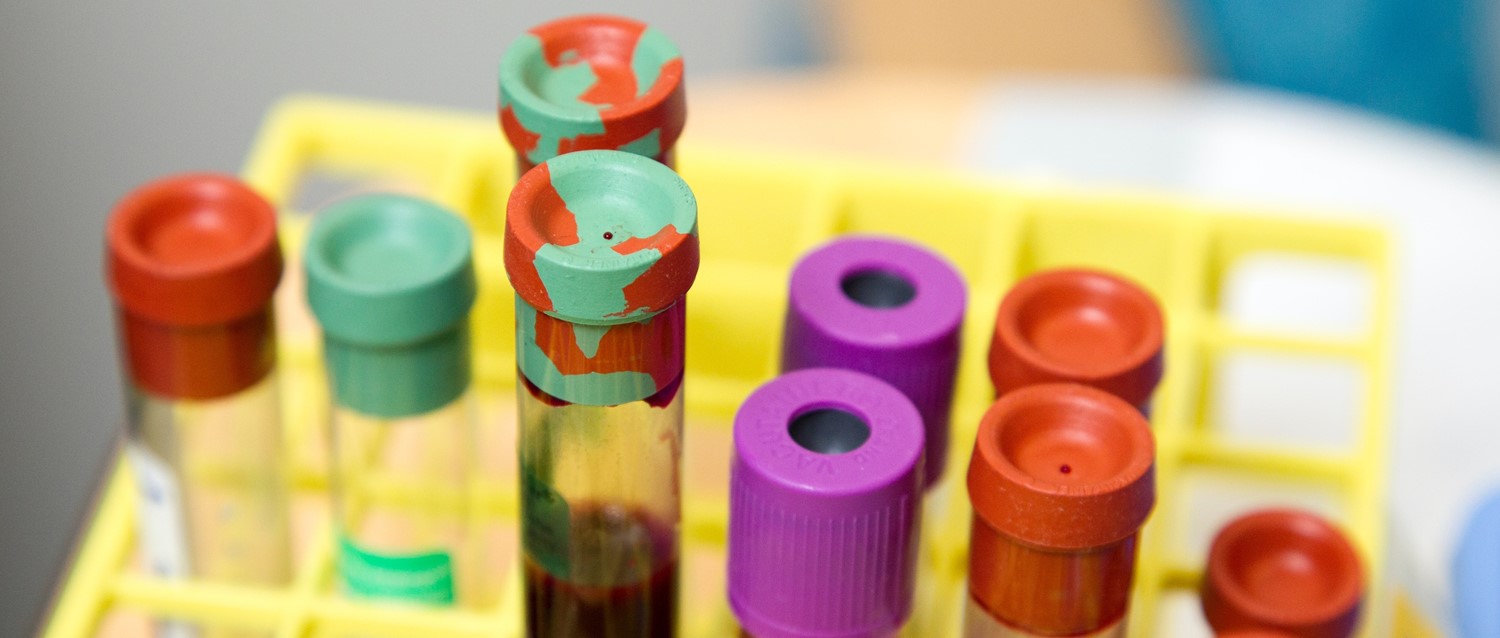
How to get over a fear of blood tests
Peer reviewed by Dr Sarah JarvisAuthored by Gillian HarveyOriginally published 24 Aug 2020
Meets Patient’s editorial guidelines
- DownloadDownload
- Share
- Language
- Discussion
- Audio Version
- Add to preferred sources on Google
Blood tests are a great diagnostic tool, giving vital information to doctors about the state of a patient's health. But for many of us, the idea of having blood drawn from our arm can put us into a panic. If you're feeling nervous about an impending test, try our tips for managing the procedure.
Mental health support for adults and children
Online CBT and psychological therapy for adults and children aged 8–17. Onebright’s accredited clinicians support people experiencing anxiety, depression and other emotional challenges.
Be open
If you're someone who generally takes life in your stride, you might feel a little embarrassed to admit that you're anxious about a blood test. But many people feel nervous when they have blood taken. "It's natural to feel a little anxious about a medical procedure of any kind," agrees Dr Kate Mason of Roots Psychology Group. "Being open and honest about that - with others and yourself - can help you to feel better."
Eat breakfast (if allowed)
If your blood test doesn't involve fasting (check with your healthcare professional) then it can be helpful to have a healthy breakfast/meal before your appointment (depending on the time of day). "When we’re anxious, it can affect our appetite," says Mason. "But having something to eat can stabilise blood sugar and help us to feel stronger."
Having something to eat immediately after the test (especially if you've been fasting) can also be helpful.
Locate your fear
Although many of us are worried about blood tests, we're not all anxious for the same reasons. For some, it's a worry about whether the procedure will hurt. For others, it might be a fear of fainting, or nerves that rise up during the wait beforehand. Other people might be nervous about the reason for the test and what their result may mean.
In order to manage your anxiety, it's important to identify where your fear stems from - once you've highlighted what's driving this, you can manage your reaction more effectively. For example, if you're concerned about pain, you may wish to ask for a product to numb the area beforehand.
Manage the wait
If you're feeling nervous about a procedure, managing the wait is very important. "You find with many people that their anxiety is worse before a test rather than when it's actually taking place," agrees Mason. "If you're likely to have to wait, think about how to manage that time. Take a book, or find an interesting article to read on your phone to take your mind off the test itself."
If you're particularly worried, it's also worth asking someone to come with you. They will be able to offer support and distraction as you wait for your name to be called. "Having someone at your side can really help you to feel supported," agrees Mason. "Explain to your friend beforehand how you are feeling and what support you might find helpful."
Manage your physical reaction
If you're concerned about fainting, you can take steps to minimise the risk of this. "Some people are worried that they'll panic so much that they’ll pass out," says Mason. "But panicking tends to raise our blood pressure, and it's low blood pressure that would cause us to faint. Understanding this physiology can be helpful."
It's also helpful to mention at your appointment if you're worried about or prone to fainting or feeling wobbly. "The nurse or phlebotomist will be able to take blood with you lying in a more reclined position if you're worried about dizziness or passing out," Mason advises. "It's worth raising the issue with them - they will be used to patients feeling this way."
Speak to the clinician
Phlebotomists and nurses will have seen it all - and witnessed many different reactions to blood tests. Don't be afraid to mention your misgivings - they will be able to put your mind at rest. "If you let the nurse or phlebotomist know how you're feeling, they'll be able to take that into account and offer reassurance or support," says Mason.
It's also worth thinking how you're going to manage the moment when blood is taken. "Some people find counting is helpful - after all, a blood test doesn't tend to take very long," says Mason. "Or you may wish to look in the other direction and scroll on your phone. Distraction can be a useful way of coping with anxiety and nervousness."
Tips from a nurse
Nurse and Midwife Laura Mudie has her own advice for those nervous about an impending blood test.
"Being nervous about a blood test is very common - both in children and adults. In some people this can become a real phobia," she says. "If you feel this way, it's important to speak to the practitioner taking your blood as they will be able to help."
"Tell the nurse or phlebotomist how you're feeling - they will be able to take a little more time to make sure you're OK. They may be able to use a smaller needle, and make an effort to distract you during the test."
If you have a severe phobia, or the blood test is for a younger person, there are also products available that can numb the site. If you feel that this may help you, it's worth talking with your GP when they refer you for the test, or asking a pharmacist beforehand.
Patient picks for Phobias and fears

Mental health
Overcoming your fear of needles
It goes without saying that nobody likes injections. Faced with a routine visit to the pharmacist - be that for a travel vaccination or a flu jab - most people treat the experience as a necessary evil. For some people, however, disliking injections runs a lot deeper than that. It is estimated that up to 10% of the population have a genuine needle phobia, meaning they have a persistent and excessive fear of needles. This can manifest as deep anxiety before and during the consultation, or even avoiding vaccinations altogether.
by Abi Millar

Mental health
Facing your fear of the doctor: tips for easing medical anxiety
Many of us feel anxious or nervous when visiting the doctor. But people with iatrophobia have a more intense, irrational fear. If you have doctor anxiety, we have some advice from a medical professional to help you overcome it.
by Victoria Raw
About the authorView full bio
Authored by

Gillian Harvey
Freelance Writer
BA (Hons) English
Gillian is a freelance writer and columnist for a variety of national newspapers and magazines.
About the reviewerView full bio

Dr Sarah Jarvis
Clinical Consultant
MA (Cantab), BM, BCh (Oxon), DRCOG, FRCGP, MBE
After training in medicine at Cambridge and Oxford, Dr Sarah Jarvis MBE became a GP.
Article history
Article also available in English, German, Spanish, French, Italian, Portuguese, Hindi, Hebrew, Arabic, and Swedish.
24 Aug 2020 | Originally published
Authored by:
Gillian HarveyPeer reviewed by
Dr Sarah Jarvis
Join the conversation
Share your thoughts or experiences with others in our patient communities.

Ask, share, connect.
Browse discussions, ask questions, and share experiences across hundreds of health topics.

Feeling unwell?
Assess your symptoms online for free
Sign up to the Patient newsletter
Your weekly dose of clear, trustworthy health advice - written to help you feel informed, confident and in control.
By subscribing you accept our Privacy Policy. You can unsubscribe at any time. We never sell your data.