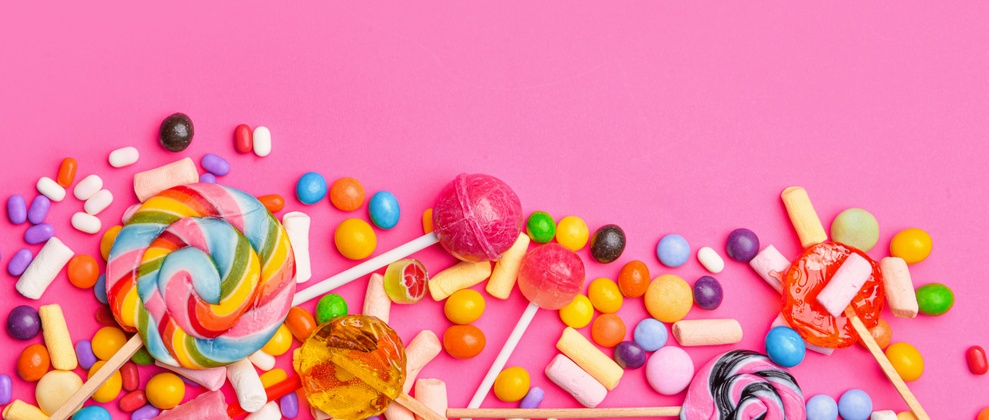
How to stop your sugar cravings
Peer reviewed by Dr Colin Tidy, MRCGPLast updated by Lynn StephenLast updated 17 Dec 2025
Meets Patient’s editorial guidelines
- DownloadDownload
- Share
- Language
- Discussion
- Audio Version
- Add to preferred sources on Google
Many of us fancy something sweet from time-to-time, and often raid the cupboard for biscuits or chocolate after dinner. However, it’s easy to get into the habit of eating too many sugary foods - which is harmful for your health. So can you curb your cravings?
Why do we crave sugar?
According to Reema Pillai, registered dietitian at Dietitian Fit & Co, sugar cravings are normal and can be both biological and psychological.
"It comes from when there was a time when food was scarce, and we as humans had to eat a lot of high calorie foods for our survival," she explains.
Sugary foods also affect the brain's reward system, triggering the release of feel good chemicals such as endorphins and serotonin. These boost our mood, leaving us wanting to go back for more. In other words, eating sugar kickstarts a chemical reaction that can create a cycle of addiction.
Studies have also found stress and lack of sleep may be linked to sugar cravings. When you eat sugar, hormones are released to reduce the feelings of stress. In turn, this increases your desire for comfort foods, creating a cycle of emotional eating habits.
If you don't get enough sleep you'll tend to crave foods that are sweet, salty, and starchy. This may be because these foods make you feel good. Poor sleep has also been linked to the appetite-regulating hormone ghrelin - which makes us feel hungry.
Can a vitamin deficiency cause sugar cravings?
"If you lack certain nutrients that help provide energy to the body, this can make us tired," says Pillai. "In turn, this can make us crave sweet foods which provide an energy boost. This may include deficiencies in magnesium, B vitamins, and zinc."
How to fight sugar cravings
Craving sugar is usual and you shouldn't feel guilty about having chocolate now and again. However, eating too much can lead to weight gain, type 2 diabetes, tooth decay, and can increase your likelihood of several serious medical conditions. A diet rich in sugary foods and drinks can lead to obesity, which raises your chance of cancer and heart disease.
Cutting down on your sugar intake isn't easy, but there are steps you can take to make the process easier.
Think about why you’re craving sugar
It's important to stop and think about why you're craving sugar.
Pillai asks: "Are you physically hungry, or is there something else going on here? Are you looking to satisfy an emotion you're feeling, and perhaps using sugar to do so? Looking to meet that emotion in other ways is important."
For example, if you notice you feel very stressed and are craving sugar, could you try other stress management techniques such as exercise, meditation, or journaling?
Distract yourself
Try doing something to take your mind off the craving and allow it to pass.
Pillai says: "Remember, it is OK to have sugar, but it’s important to not let it be the main go-to when you need to meet your emotions in other ways that can help in the long term."
Exercise releases endorphins - feel-good hormones - that can boost your mood and reduce stress.
Try food swaps
It's important not to completely restrict yourself when it comes to sweet foods, as you’ll end up craving it even more. Sometimes, it can help to swap sweets or chocolate for healthier alternatives such as fruit. However, be mindful that some seemingly healthy foods such as yoghurts can contain sugar. Pillai also suggests eating a small amount of what you fancy.
She advises: "Take a small portion in a bowl and be sure to eat this slowly and mindfully, allowing you to fully concentrate on the taste, flavours and sensations. This can help you feel satisfied with the smaller amount and stop the cravings."
Focus on your diet
Eating a healthy and balanced diet overall can help reduce sugar cravings.
Pillai says you should make sure you are having filling meals throughout the day with enough protein, wholegrains and healthy fats, and make sure you’re not waiting too long between meals.
"This will help to prevent your energy and blood sugar levels from dipping," she explains. "When this happens, it’s very easy to go for something high in sugar to make us feel better."
Patient picks for Healthy eating
Heart health and blood vessels
DASH diet - healthy eating that helps lower blood pressure
The DASH diet is a heart-healthy diet that lowers blood pressure and cholesterol. Far from being specialist, this eating plan can benefit many people - whether you're looking to improve poor heart health, manage a related condition, or protect yourself against future health problems.
by Lynn Stephen
Diet and nutrition
10 sources of plant-based protein for bone health
Plant-based diets are growing in popularity. People choose this way of eating for various reasons - to boost their health, help animals, and protect the environment. But switching to a plant-based diet may mean you're missing out on vital, bone-friendly nutrients. One of these is protein.
by Victoria Raw
About the authorView full bio

Lydia Smith
Feature writer
BA, MA, MSc
Lydia Smith is an award-winning journalist and feature writer who has written extensively on women's health and mental health. She is currently studying for an MSc in psychology.
About the reviewerView full bio

Dr Colin Tidy, MRCGP
General Practitioner, Medical Author
MBBS, MRCGP, MRCP (Paediatrics), DCH
Dr Colin Tidy is an NHS Doctor, based in Oxfordshire.
Article history
The information on this page is peer reviewed by qualified clinicians.
Article also available in English, German, Spanish, French, Italian, Portuguese, Hindi, Hebrew, Arabic, and Swedish.
Next review due: 18 Dec 2028
17 Dec 2025 | Latest version
24 Nov 2022 | Originally published
Authored by:
Lydia Smith
Join the conversation
Share your thoughts or experiences with others in our patient communities.

Ask, share, connect.
Browse discussions, ask questions, and share experiences across hundreds of health topics.

Feeling unwell?
Assess your symptoms online for free
Sign up to the Patient newsletter
Your weekly dose of clear, trustworthy health advice - written to help you feel informed, confident and in control.
By subscribing you accept our Privacy Policy. You can unsubscribe at any time. We never sell your data.
More in diet and nutrition
- 6 deliciously healthy berries and recipes
- C-section babies have different gut bacteria to those born vaginally
- Can changing your diet ease endometriosis symptoms?
- Can psychology diet apps help you eat more mindfully?
- Do you need to drink eight glasses of water a day?
- Health benefits of garlic
- Health-boosting ginger shots: fad or fact?
- How a protein-packed breakfast can boost your health
- How much water should you drink a day?
- Mounjaro diet: Foods to eat and avoid
- Patient's Christmas Cook Off
- The best anti-ageing supplements for your health
- The keto diet: what is it and does it work?
- Vitamin C: benefits, sources, and deficiency
- What are the benefits of vitamin D?
- What are the dangers of a detox diet?
- What is choline? The nutrient for your memory, muscles and more
- What is the BRAT diet and why is it unsafe?
- What is the Nordic diet?
- Why is cottage cheese the new diet trend?