Cómo seguir una dieta vegetariana rica en calcio
Revisado por pares por Dr Krishna Vakharia, MRCGPÚltima actualización por Ellie BroughtonÚltima actualización 17 Ene 2024
Cumple con las directrices editoriales
- DescargarDescargar
- Compartir
- Language
- Discusión
- Versión en audio
- Agregar a fuentes preferidas en Google
Calcium has many important functions in our bodies. It helps build bones and keeps our teeth healthy. It also makes sure our blood clots normally and regulates muscle contractions. Not enough calcium can lead to osteomalacia or osteoporosis when we're older.
Why do we need calcium?
At every age, we need to be consuming enough calcio from our food. This important nutrient is needed for bone strength, nerve function, muscle function, and allows blood to clot which prevents excessive bleeding.
There are also some groups of people for whom calcium is particularly important:
Babies and children - need calcium to develop strong, healthy bones and teeth.
Pregnant and breastfeeding women - need more calcium to help their babies develop.
Postmenopausal women - the drop in oestrogen production after menopause makes women's bodies less able to retain calcium.
Elderly people of both sexes - need plenty of calcium to prevent age-related bone loss (osteoporosis).
How easy is it to eat a calcium-rich vegetarian diet?
Getting enough calcium in your diet is important to stay healthy. Jo Travers, a nutritionist and registered dietitian, believes it's easy enough to get the calcium we need.
Calcium is a macro mineral, meaning we need quite a lot of it compared to some of the other minerals. But most people can get enough calcium from their diet," she explains.
Vitamin D supplements
We also need good levels of vitamin D to absorb calcium. "If you haven't got enough vitamin D, it doesn't matter how much calcium you have in your diet, you won't absorb it," Travers explains.
In the UK, it's recommended that everyone - whatever ethnicity - considers taking vitamin D supplements from October to April. This is because we get most of our vitamin D through sunlight, and the lack of sun in the winter months simply isn't able to provide our bodies with enough.
Suplementos de calcio
Some people may be restricted in the calcium-rich foods they eat, and for these people Travers also recommends calcium supplements.
For example, if you have SII you may avoid lentils and beans, or if you are intolerante a la lactosa you need to avoid dairy sources of calcium, including milk and yoghurt.
How much calcium do you need?
According to the Association of UK dietitians (BDA)1, each day adults generally need 700 milligrammes (mg) of calcium. This is the same as having a 120g pot of plain yoghurt, 100g serving of kale, and 100g serving of tofu (made with calcium chloride or calcium sulphate) in one day.
There are some groups of people who need more:
Breastfeeding people need 1250 milligrammes.
Personas con osteoporosis need 1250mg, or up to 1000mg when they take osteoporosis treatments.
People with coeliac disease need 1000-1500mg a day.
People on corticosteroids for IBD need 800-1000mg a day - and should discuss supplements with a doctor.
Calcium-rich vegetarian foods
Calcium-rich foods for pescatarians
If you're a pescatarian who eats fish, this is a great source of calcium, For example1:
Half a tin of bone-in sardines contains up to 407mg.
50g of whitebait contains around 430mg.
6 pieces of scampi contains around 90mg.
Calcium-rich dairy foods
For vegetarians who eat dairy products, calcium is also generally easy to come by1:
A glass of cow's milk (250ml) contains an around 300mg. You can find 120mg of calcium in a flat white.
A 30g serving of cheddar - roughly a matchbox's-worth - contains 222mg.
A 120g pot of full-fat yoghurt contains 193mg.
Plant-based calcium-rich foods
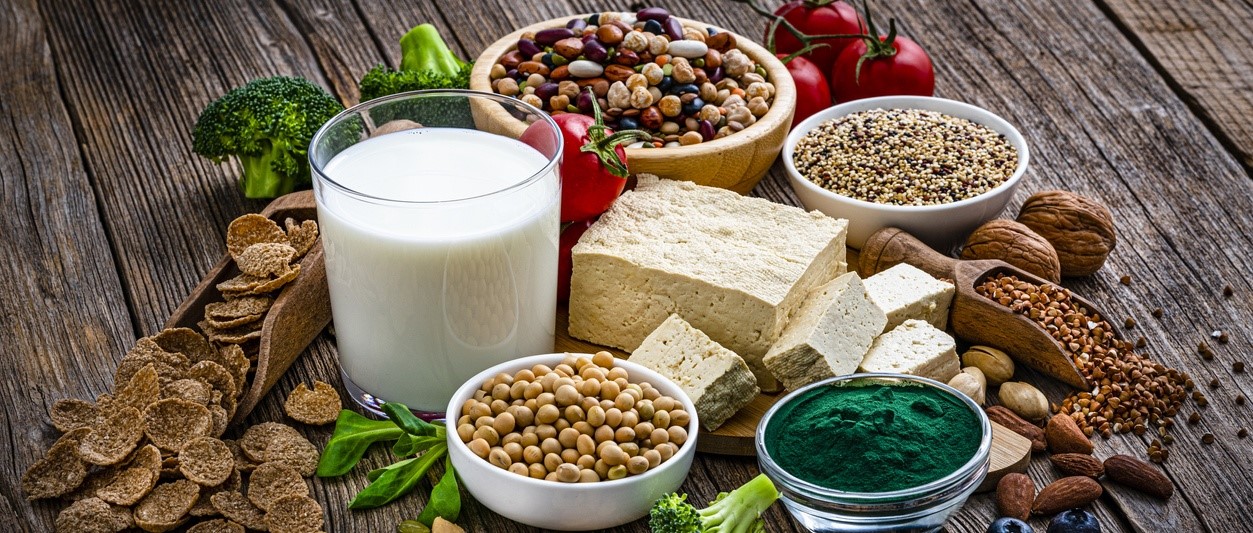
If you follow a plant-based diet that excludes dairy, this doesn't have to mean your calcium intake is low. Travers says that cruciferous vegetables, beans, lentil and chickpeas are rich sources of calcium.
"These are probably the best sources of calcium, and the reason they are so good for vegans and vegetarians is because often - or hopefully, at least - they will already be eating these foods, because they're a great source of fuentes de proteína and a really good source of hierro," dice ella.
"I also recommend vegetarians to add beans, lentils and chickpeas in their diet in place of meat - as the main protein source in meals. But unlike meat, they have the added benefit of calcium."
For example2,3:
200g of cooked chickpeas contains around 100mg.
200g of cooked lentils contains around 40mg.
200g of cooked white beans contains around 132mg.
One cup of cooked collard greens contains around 266mg.
One cup of cooked broccoli contains around 60mg.
One cup of cooked kale contains around 179mg.
Fortified plant-based foods
Fortified foods have nutrients added to them so they are more beneficial - and they can be an easy way to sneak calcium in, too. For example, while foods fortified with calcium tend to vary between brands, these are the average amounts of calcium they provide, according to the BDA1:
One serving of fortified cereal (30g) contains up to 174mg.
Two slices of fortified white bread contains 155mg - or 106mg for brown bread.
A 100g uncooked serving of tofu made with calcium chloride or calcium sulphate contains 350-400mg.
A serving of plant-based fortified milk - such as oat, nut or soya - in your tea or coffee (100ml) contains 120-189mg.
Travers says: "Fortified plant based milks are probably where most vegans get their calcium from, especially those who don't eat beans, lentils or chickpeas. They are generally fortified with the same amount of calcium you get from dairy milk."
Is fortified plant milk calcium easy to absorb?
The dietitian explains that, generally speaking, it's harder for our bodies to absorb calcium from a fortified product than from foods that naturally contain this important nutrient.
The other thing about fortified plant based milks is that often the calcium sinks to the bottom of the carton. And shaking doesn't necessarily make that much difference. So plant-based milk can have its drawbacks. But, unlike iron, our bodies can absorb calcium in tea or coffee."
It's also worth bearing in mind that some plant milks have more artificial additives and added sugars than others. Find out how to choose a healthy dairy-free milk or make it at home.
Lectura adicional
Selecciones del paciente para Vegano y vegetariano
Dieta y nutrición
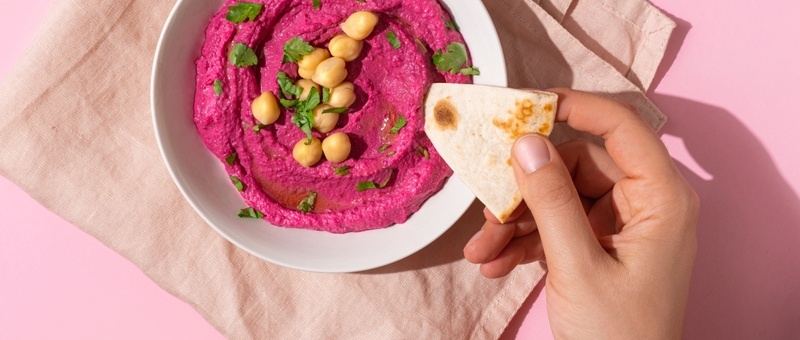
5 cambios veganos fáciles para Veganuary 2026
Si te gusta la carne, la idea de una dieta completamente basada en plantas puede parecer muy intimidante. ¿Y si tus antojos de tocino se vuelven demasiado fuertes? ¿Y cuántas recetas más tendrás que aprender? Aquí hablamos con la chef Isabella Flint sobre cómo hacer que Veganuary sea un poco más fácil. Ella comparte sus cinco cambios veganos fáciles para ayudar a reducir tus antojos de carne.
por Victoria Raw
Dieta y nutrición
Una dieta vegana mejora la salud del corazón, según un estudio de gemelos idénticos
Un número creciente de personas se está volviendo vegano para mejorar su salud, ya que se sabe que comer menos carne reduce el riesgo de enfermedades cardíacas y accidentes cerebrovasculares. Sin embargo, los estudios sobre dietas a menudo están limitados por factores como las diferencias genéticas. Ahora, un estudio innovador que involucra gemelos idénticos sugiere que una dieta vegana puede mejorar la salud cardiovascular en solo ocho semanas.
por Lydia Smith
Sobre el autor

Ellie Broughton
Acerca del revisorVer biografía completa

Dr Krishna Vakharia, MRCGP
Director Médico de Salud, Optum UK
MBChB, MRCGP(2013), BMedSci (hons), DFSRH, DRCOG, PGDipDerm (Distn)
La Dra. Krishna Vakharia es una médica general del NHS. También es examinadora habitual del Diploma de Posgrado en Dermatología Práctica en la Universidad de Cardiff, además de ser la Directora Médica de salud en Optum UK.
Historial del artículo
La información en esta página es revisada por pares por clínicos calificados.
Artículo también disponible en Inglés, Alemán, Español, Francés, Italiano, Portugués, Hindi, Hebreo, Árabe, y Sueco.
17 Ene 2024 | Última versión
17 Ene 2024 | Publicado originalmente

Pregunta, comparte, conecta.
Navega por discusiones, haz preguntas y comparte experiencias en cientos de temas de salud.

¿Te sientes mal?
Evalúa tus síntomas en línea de forma gratuita
Suscríbete al boletín de Patient
Tu dosis semanal de consejos de salud claros y confiables, escritos para ayudarte a sentirte informado, seguro y en control.
Al suscribirte aceptas nuestros Política de Privacidad. Puedes darte de baja en cualquier momento. Nunca vendemos tus datos.
Más sobre dieta y nutrición
- ¿Valen la pena los suplementos para el dolor articular?
- Los bebés nacidos por cesárea tienen bacterias intestinales diferentes a los nacidos por vía vaginal
- ¿Pueden los suplementos de colágeno mejorar tu salud?
- ¿Funcionan las vitaminas en gomitas?
- ¿Realmente necesitas dejar el azúcar?
- Dieta para el hígado graso: alimentos para comer y evitar
- Que tengas un Ramadán feliz y saludable
- Cómo tomar decisiones más saludables sin perderse de nada
- Cómo hacer papas asadas saludables
- Cómo preparas tu comida importa
- Cómo tu intestino afecta tu salud en general
- ¿Es seguro para todos tomar probióticos?
- ¿Existe un vínculo entre la salud intestinal y las migrañas?
- ¿Es bueno el cúrcuma para ti?
- El último superalimento: ¿por qué tanto alboroto con los microgreens?
- La dieta de la longevidad - ¿puede añadir años a tu vida?
- ¿Cuáles son los beneficios de los probióticos para bebés?
- ¿Qué le sucede a tu cuerpo cuando te vuelves vegano?
- ¿Cuál es la mejor dieta para la enfermedad de Crohn?
- ¿Cuáles alimentos ultraprocesados son seguros y cuáles debemos evitar?