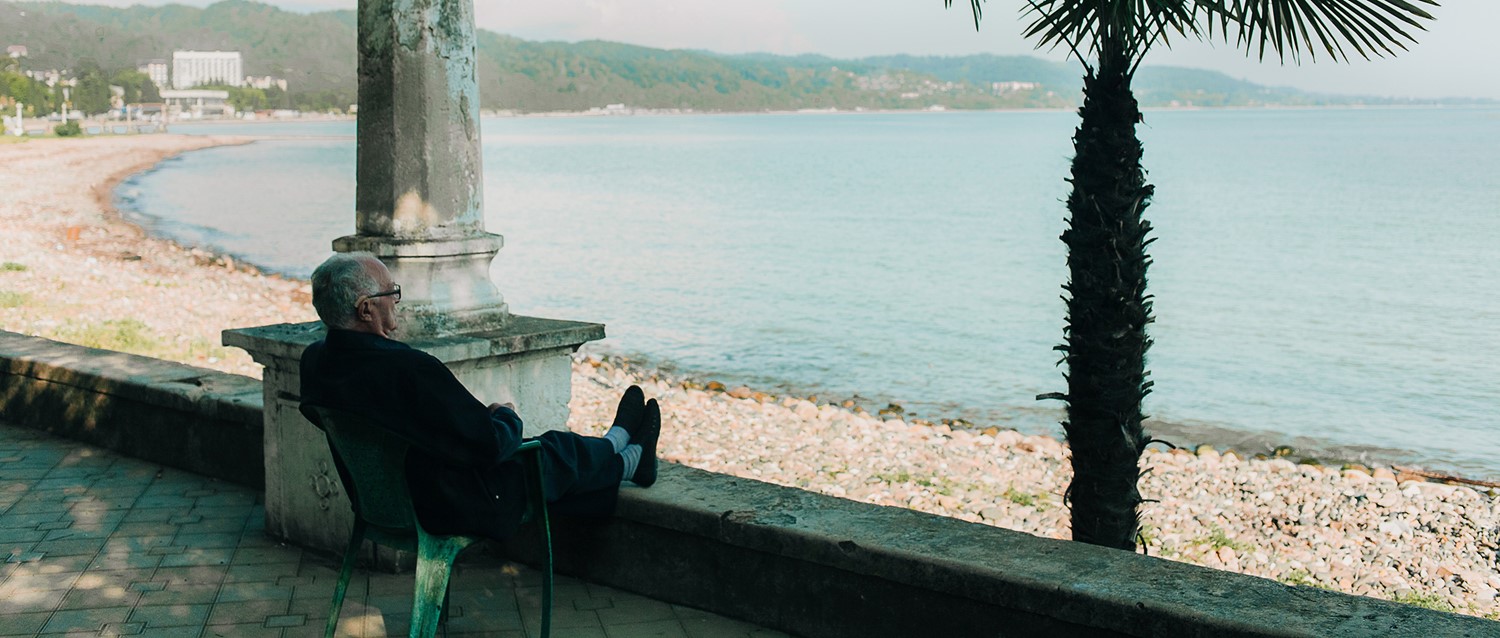
Pies envejecidos
Revisado por Dr Doug McKechnie, MRCGPÚltima actualización por Dr Philippa Vincent, MRCGPÚltima actualización 24 Abr 2023
Cumple con las directrices editoriales
- DescargarDescargar
- Compartir
- Language
- Discusión
- Versión en audio
- Agregar a fuentes preferidas en Google
As feet get older they lose some of their strength and springiness due to changes in the skin and joints. Feet tend to spread and lose the fatty pads that cushion them. This does not mean that feet should necessarily become painful as they get older. However, it does mean that they are not able to sustain the same levels of activity that they could when younger. For that reason older people need to take good care of their feet.
De un vistazo
Los pies cambian naturalmente con la edad, afectando la piel, las articulaciones, los músculos y la resistencia.
Los pies de las personas mayores pueden perder elasticidad y fuerza, y los huesos pueden adelgazar.
Los problemas comunes incluyen pérdida de resistencia, hinchazón y cambios en las uñas de los pies.
Un suministro sanguíneo deficiente puede dificultar que los pies sanen las lesiones.
El calzado adecuado, el ejercicio regular y un buen cuidado de la piel pueden ayudar a proteger los pies envejecidos.
Maneja las condiciones de salud subyacentes y considera visitas regulares al podólogo.
What natural changes happen to ageing feet?
Every part of the body ages. However, the feet are subjected to particularly heavy treatment throughout life. They experience repeated impact, weight bearing, pressure, friction and often minor trauma.
The natural changes that happen to the feet over time include:
Adelgazamiento de la piel.
Wear and tear of the joints.
Reducción de la fuerza muscular.
In addition to this, feet will be more at risk of injury and pain if there are also conditions which:
Affect the nerve supply or blood supply to the feet.
Affect the bones, muscles and joints themselves.
Cause the feet to swell.
Estas incluyen:
Kidney disease.
Effects of ageing on feet
The young foot is springy, strong and resilient. It has arches bound together by elastic tendons which allow for springiness and shock absorbtion. Joints are flexible and bones are strong and resilient. Skin is tough, the blood supply is efficient, and healing is fast. All of the parts of the foot become less resilient with age and eventually the foot becomes less able to resist repeated stresses such as impact, pressure and extremes of temperature.
Common problems of ageing feet include:
Loss of springiness
The older foot becomes less springy as the tendons which hold the arches together lose their stretch. This reduces the ability of the foot to absorb impact so that, for example, feet become less tolerant of jumping off a chair.
Additionally, areas of wear and tear (artrosis) may develop in the joints between the bones. As the joint develops wear and becomes rougher over time, the small movements between the bones of the foot become less flexible. This also reduces the springiness of the foot. Arthritis and wear and tear of the foot are more likely with these conditions:
Severe foot trauma.
Foot overuse injuries from sporting or dancing activities - for example, running or ballet.
Inflammatory arthropathy, such as artritis reumatoide o lupus eritematoso sistémico, affecting the feet.
Gota.
Obesidad.
The lack of flexibility in the joints, combined with the tendency of the arches to drop, can lead to a change in the shape of the feet (pies planos). The ankle joint, subtalar joint and the big toe joint frequently develop arthritis.
Loss of strength
With age, muscles lose some of their strength. Muscle strength and muscle power peak in the 20s and early 30s and gradually reduce after this. Regular exercise slows this reduction of power.
The bones of the foot also thin with age. This is extreme in conditions such as 'adelgazamiento' de los huesos (osteoporosis) when the bones may become fragile. However, all bones thin with age. This natural thinning is made worse by smoking and by a lack of exercise. It's also worse in those who have:
Pobre vitamina D intake.
High or regular doses of esteroides.
Bodybuilding steroid drugs ('anabolic steroids').
Long periods of their life without periods due to:
Pregnancy and breastfeeding.
Conditions such as early menopause y anorexia nerviosa in women, which affect the periods.
Testicular failure (sometimes called andropause).
Loss of resilience
With increasing age the skin becomes less elastic and has less fat in its structure. This reduces the cushioning and increases vulnerability to damage.
The padding under the balls of the feet tends to slip over time. This is particularly so in those who have worn high heels a lot and in those with rheumatoid arthritis, leading to pain (metatarsalgia) and callus formation. (A callus is a hard and thickened area of skin.) Use of padding in the shoe can help with this.
Decreased skin cell turnover with ageing means decreased injury repair.
Dry skin can result from the decreased fatty layer and can contribute to cracked heels and calluses.
Decrease of the fat pad on the sole reduces cushioning and can increase sensitivity to pain.
Hinchazón
A tendency of the lower legs and feet to swell increases with age. Swelling puts additional pressure on the structures in the foot. There are many reasons for this, including:
Loss of elasticity in the leg veins.
Loss of muscle tone in the calves (the muscles in the calves are a part of the mechanism for pumping blood back upwards to the heart).
Enfermedad del corazón.
Some medications.
Changes to toenails
Toenails usually become thicker and more brittle with age because their growth slows over time. This thickening is worsened by conditions such as an underactive thyroid gland (hypothyroidism) y enfermedad arterial periférica.
Fungal infection of the toenails can also cause toenail thickening.
Loss of blood supply
The blood supply to the distant (or peripheral) parts of the body is the most likely to be affected by poor circulation due to conditions such as hardening of the arteries (atherosclerosis). Blood vessels tend to stiffen and narrow a little with age. Varicose veins and other conditions which cause leg swelling will make this worse. This reduces the ability of the feet to repair minor injuries quickly.
Foot conditions
The following conditions can all result from ageing of the feet, sometimes combined with mistreatment:
Juanetes. These are bony protrusions at the base of the big toe, associated with hallux valgus where the big toe moves towards the other toes. The most common causes are:
Wear and tear/osteoarthritis of the joint at the base of the big toe.
A genetic predisposition to a weakness of this joint:
Wearing shoes with a narrow forefoot that squeezes the toes.
Wearing high heels that force the toes too far forward in the shoes.
Neuroma de Morton. This enlarged nerve, more common in women than in men, causes pain, burning, tingling or numbness on the ball of the foot or between the toes. It can result from wearing shoes that are too tight.
Fascitis plantar. This in an inflammation of tissue in the bottom of the foot. The usual symptom is heel pain or under the ball of the foot. Arthritis and wearing shoes with inadequate cushioning are other causes.
How to protect ageing feet
Calzado
As one ages it's important that footwear is warm enough and not too stiff. Shoes should be comfortable and supportive. Footwear that rubs, is too tight or causes soreness should be avoided as these may restrict the circulation or cause pressure damage to the skin. High heels should be avoided and shoes should be supportive and hold hold the feet firmly in place.
Shoes should support the arches of the feet. Cushioned insoles can be useful.
Shoes should be big enough to accommodate feet that have a tendency to swell so that they don't rub.
Feet should be kept warm. Socks should be worn in cold weather and these should fit smoothly inside the shoes. Socks and tights should fit well.
Ejercicio
Feet should be exercised regularly. "If you don't use it, you lose it." Exercise improves the circulation in the feet and legs and helps to prevent swelling of the feet. Sitting for long periods with feet on the floor should be avoided. People who are unable to move around regularly due to health conditions should elevate their feet when sitting.
Skin care
Look after the skin of your feet. Remove hard skin which can be a breeding ground for germs (bacteria) and which can tend to lead to callus formation. Moisturise the feet regularly, and get rid of any hard skin with a pumice stone.
If you develop foot blisters, bunions or any deformity of your feet like clawing of the toes or dropping of the arches, consider seeing a person qualified to diagnose and treat foot disorders (a podiatrist - previously called a chiropodist).
After washing, apply a foot cream. This should have skin-hydrating lubricants and emollients to help keep your feet soft and free from hard, thickened areas (calluses) and cracks. It should also gently exfoliate your skin and protect it from infection.
Trim and file your toenails straight across instead of rounding them. This helps prevent ingrown toenails. Use a nail clipper, not scissors.
Inspect your feet daily if possible. Give immediate attention to any breaks or cracks in the skin or to any other problems that you notice.
If you have had regular problems with your feet consider taking pre-emptive action with regular visits to a podiatrist to help keep your feet healthy.
Salud general
Managing underlying health conditions can help reduce their impact on ageing feet. Keeping weight to the normal range is beneficial, as being overweight causes additional pressure on the feet.
People with diabetes should have an annual foot check at their GP surgery.
People with peripheral arterial disease, problems with nerves in their feet or deformities of their feet should be especially vigilant at regularly checking their feet.
Selecciones del paciente para Salud general

Salud de los mayores
Prevención de caídas en personas mayores
Aunque la mayoría de las caídas no causan lesiones, los resultados de una caída pueden ser graves. Si se rompe un hueso, esto puede llevar a una discapacidad a largo plazo. Los huesos rotos no siempre sanan completamente a medida que envejeces y una lesión grave podría significar que ya no podrías vivir sin ayuda. Por eso, si tienes 65 años o más y has tenido una caída, es importante consultar a tu médico para averiguar si hay algo que se pueda hacer para evitar que vuelvas a caer.
por el Dr. Colin Tidy, MRCGP

Salud de los mayores
Cuidado al final de la vida
La atención al final de la vida es un término que abarca los temas que necesitas considerar y planificar, cuando te acercas a la muerte. Es un campo muy amplio que cubre muchos temas.
por la Dra. Hayley Willacy, FRCGP
Preguntas frecuentes
¿Por qué mis pies se sienten menos cómodos al caminar o estar de pie a medida que envejezco?
A medida que envejeces, el acolchado natural bajo las almohadillas de tus pies puede disminuir e incluso deslizarse, lo que reduce la amortiguación. Esto puede provocar dolor, conocido como metatarsalgia, y la formación de callos (piel dura y engrosada). Usar almohadillas en tus zapatos puede ayudar con esta incomodidad.
¿Puede el uso de ciertos tipos de zapatos empeorar los problemas de pies relacionados con la edad?
Sí, usar ciertos tipos de zapatos puede exacerbar problemas en los pies relacionados con la edad. Por ejemplo, los tacones altos pueden contribuir a que el acolchado bajo las bolas de los pies se deslice. Los zapatos que son demasiado ajustados pueden causar condiciones como el neuroma de Morton, y usar zapatos con una parte delantera estrecha o tacones altos puede contribuir a los juanetes. El calzado con amortiguación inadecuada también puede empeorar condiciones como la fascitis plantar.
¿Por qué mis uñas de los pies se vuelven gruesas y quebradizas con la edad?
A medida que envejeces, el crecimiento de tus uñas de los pies se ralentiza, lo que hace que se vuelvan más gruesas y quebradizas. Este engrosamiento puede empeorar debido a condiciones como una glándula tiroides poco activa o enfermedad arterial periférica. Las infecciones por hongos también pueden causar el engrosamiento de las uñas de los pies.
¿Cuál es la mejor manera de cortar mis uñas de los pies para mantener mis pies saludables?
Para ayudar a prevenir las uñas encarnadas, debes cortar y limar tus uñas de los pies en línea recta, en lugar de redondearlas. Se recomienda usar un cortaúñas en lugar de tijeras para esto.
Lecturas adicionales y referencias
- Sparling PB, Howard BJ, Dunstan DW, et al; Recommendations for physical activity in older adults. BMJ. 2015 Jan 21;350:h100.
- Menz HB; Biomechanics of the Ageing Foot and Ankle: A Mini-Review. Gerontology. 2015;61(4):381-8. doi: 10.1159/000368357. Epub 2014 Nov 11.
Sobre el autorVer biografía completa
Actualizado por

Dra. Philippa Vincent, MRCGP
Médico General, Autor Médico
MB BS, Bsc, MRCGP (2000), DCH, DFSRH, DRCOG
Dra Philippa Vincent es un médico de cabecera del NHS que trabaja en el norte de Londres.
Escrito por

Dr Mary Elisabeth Lowth, FRCGP
MA (Cantab), MB, BChir, DFFP, DRCOG, PG Cert, Med Ed, FRCGP, MA (London)
Dr Mary Lowth qualified in Cambridge in 1988 and has been a GP and expedition doctor for 30 years, a medical educator and MRCGP examiner for 20 years and a law and ethics academic for 10 years. As a GP her special interests are paediatrics, ethics and womens health, and sexual health medicine.
Acerca del revisorVer biografía completa
Dr Doug McKechnie, MRCGP
Redactor Médico
MA, MBBS, MSc, DRCOG, MRCP(UK), MRCGP(2021), FHEA
El Dr. Doug McKechnie es un médico de cabecera del NHS que trabaja en Londres. Trabaja a tiempo completo en la práctica clínica y también es el Subdirector del módulo de Práctica Clínica y Profesional en la Escuela de Medicina del University College London.
Historial del artículo
Artículo también disponible en Inglés, Alemán, Español, Francés, Italiano, Portugués, Hindi, Hebreo, Árabe, y Sueco.
Próxima revisión: 22 Abr 2028
24 Abr 2023 | Última versión
23 Apr 2015 | Publicado originalmente
Escrito por:
Dr Mary Elisabeth Lowth, FRCGP
Únete a la conversación
Comparte tus pensamientos o experiencias con otros en nuestro comunidades de pacientes.

Pregunta, comparte, conecta.
Navega por discusiones, haz preguntas y comparte experiencias en cientos de temas de salud.

¿Te sientes mal?
Evalúa tus síntomas en línea de forma gratuita
Suscríbete al boletín de Patient
Tu dosis semanal de consejos de salud claros y confiables, escritos para ayudarte a sentirte informado, seguro y en control.
Al suscribirte aceptas nuestros Política de Privacidad. Puedes darte de baja en cualquier momento. Nunca vendemos tus datos.