Do you really need to walk 10,000 steps a day?
Peer reviewed by Dr Colin Tidy, MRCGPLast updated by Lawrence HigginsLast updated 28 Jul 2025
Meets Patient’s editorial guidelines
- DownloadDownload
- Share
- Language
- Discussion
- Audio Version
- Add to preferred sources on Google
Are you wearing a device like a smartwatch to track your steps? If so, the goal of 10,000 steps a day may have become a bit of an obsession. But is focusing on this number the best way to improve your health? We ask an expert whether all this counting is really doing us any good.
In the 1960s, in the lead up to the Tokyo Olympics, the pedometer was first marketed as a fitness device. One Japanese company developed a product called 10,000 steps - translated into English. Decades later, the default setting on smart-watches and health apps is this magic number. But there's really no medical reasoning for its introduction.
Brisk walking
Of course, 10,000 steps is an easy number to remember but it's also a challenge for most people - as it equates to around five miles. And it might not be the best way to improve your health.
According to GP Dr Zoe Williams, clinical champion of physical activity at the Royal College of GPs, we need to be focusing more on speed than steps.
"What is most important is the speed at which you walk," she reveals. "You could achieve 10,000 steps but at a slow, strolling pace. This won't raise your heart rate so the health benefits would be minimal. Brisk walking - defined as at least 3 mph - is the key. Walking for around 10 minutes briskly gives health benefits."
In 2023, the largest ever study1 of its kind found that 11 minutes of brisk walking - at moderate-intensity - could prevent one in 10 early deaths worldwide. But most of us won't have a clue how fast we're walking. So how can we tell if our walking is enough to improve our health?
Williams explains: "If you walk briskly, your heart rate is faster, you breathe faster and you may feel a bit sweaty. You should still be able to hold a conversation without being out of breath. We call this moderate activity."
It can still be hard to know how much you are challenging yourself when you walk, but there is a free NHS App called Active 10 which monitors your walking and speed. Just one brisk 11-minute walk every day provides significant benefit. And if you can increase that number to three a day, you will have achieved one of the five moderately active sessions per week that is recommended for health.
Williams says: "Many people don't realise that regular brisk walking can reduce their risk of cancer by a significant amount."
So it's well worth picking up the pace.
Are 7,000 steps enough?
Research published in the Lancet2 found that the health benefits from walking tended to level off beyond 7,000 steps – although that does not mean you are not still gaining from walking further.
The research found that compared to those who walked 2000 steps per day, people who walked 7,000 steps per day had a 47% lower risk of dying from heart or blood vessel (cardiovascular) diseases and 37% of dying from cancer.
Other findings included lower risks of developing several conditions, including:
Cancer - down 6%.
Dementia - down 38%.
Depression - down 22%.
Heart disease – down 25% down.
Type 2 diabetes – down 14%.
It was also found that people were less likely to have falls.
The research found that walking even around 4,000 steps a day had several health benefits compared to walking 2,000 steps a day.
The study concluded that whilst 10,000 steps per day can still be a viable target for more active people, 7,000 steps per day is associated with meaningful improvements in health outcomes and might be a more realistic and achievable target for many.
How to be more active
One of the main reasons people give for not walking enough, according to Williams, is lack of time. But she believes exercise can be incorporated into your day-to-day life quite easily.
Start small
Small, healthy choices can add up. Some of Williams' suggestions include:
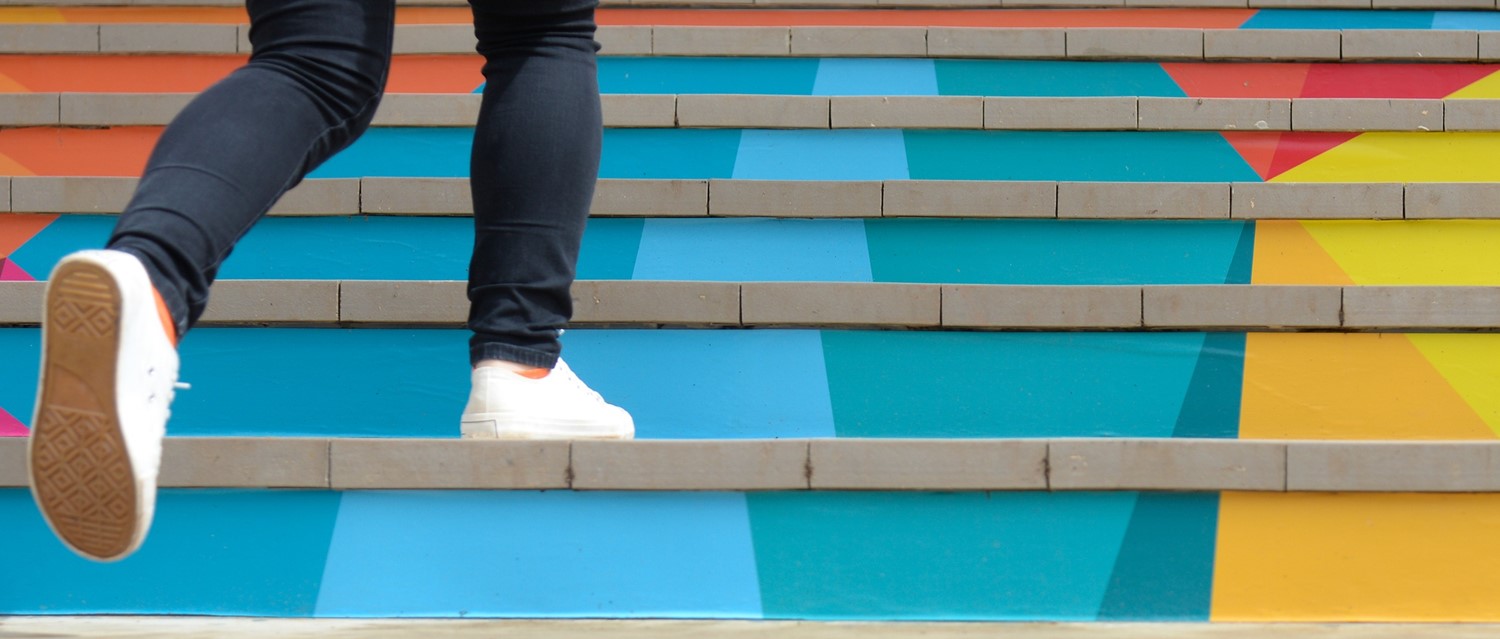
Take the stairs instead of the lift.
If you have to use an escalator, walk up it, don't stand still.
Park your car furthest away from the supermarket door - pushing your trolley is good exercise too.
If your journey to work or the school run is under a mile, then walk or cycle.
If your work is sedentary, try to fit in a quick 15-minute walk at lunchtime.
You could even encourage walking or standing meetings in your office.
"Small changes can make a significant difference over time," says Williams.
Get strong
Walking is one aspect of improving your health and fitness, but it's not the only one. Maintaining muscle strength to avoid falls and frailty in old age and help preserve bone density is also vital.
Without resistance exercise, we lose muscle mass from the age of forty and more rapidly after sixty. You may still weigh the same, but it's often fat that has replaced muscle.
Williams explains why muscle is so important: "Muscles fight inflammation in the body - systemic inflammation is the cause of many diseases, including cancer and heart disease. The more lean muscle mass someone has, the better it is for their health."
Work your muscles at home
You don't have to go to the gym to work your muscles. At home, do press ups - against the wall if that feels better - sit-ups, lunges, squats, and biceps curls using bottles of water if you don't have weights.
Daily activities, like gardening, playing with children or grandchildren outside, housework and washing the car, all count as part of a workout. For older people, Williams suggests including activities which help promote balance, such as dancing, t'ai chi and yoga.
How much exercise should you do?
The advice from the NHS is to make time for 150 minutes - 2.5 hours - of moderate exercise a week. So 30 minutes of brisk walking a day, five days a week, would reach this target. The benefits include not only a greater feeling of well-being but a reduction in your risk from cancer, heart disease, and type 2 diabetes.
In addition, you should do resistance exercises twice a week at least for around 30 minutes, ideally every other day, so you maintain muscle strength.
Being aware of these small daily targets can make a significant difference to your long-term health.
References
Patient picks for Exercise and physical activity

Healthy living
Is running bad for your knees?
If you're taking up running, you may be wondering if it's is bad for your knees. In fact, this cardiovascular exercise can help to keep your knees and other joints healthy. The key is not to put more stress on your knees than your body can handle.
by Victoria Raw
Healthy living
The best resistance band workouts to build muscle
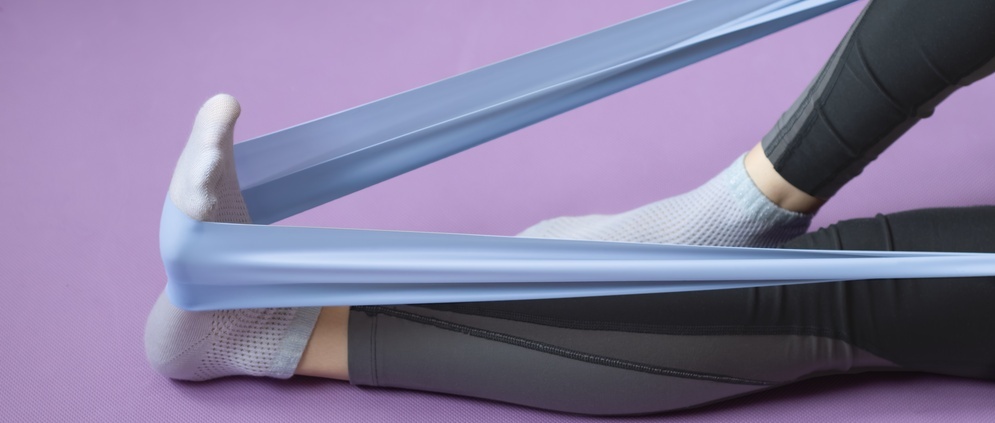
Resistance bands are a great way to improve the quality of your strength training routine. They can be incorporated into numerous exercises, adding extra force so that your muscles have to work harder to perform each task.
by Lynn Stephen
About the author

Glynis Kozma
About the reviewerView full bio

Dr Colin Tidy, MRCGP
General Practitioner, Medical Author
MBBS, MRCGP, MRCP (Paediatrics), DCH
Dr Colin Tidy is an NHS Doctor, based in Oxfordshire.
Article history
The information on this page is peer reviewed by qualified clinicians.
Article also available in English, German, Spanish, French, Italian, Portuguese, Hindi, Hebrew, Arabic, and Swedish.
Next review due: 24 Jul 2028
28 Jul 2025 | Latest version
17 Jul 2018 | Originally published
Authored by:
Glynis Kozma
Join the conversation
Share your thoughts or experiences with others in our patient communities.

Ask, share, connect.
Browse discussions, ask questions, and share experiences across hundreds of health topics.

Feeling unwell?
Assess your symptoms online for free
Sign up to the Patient newsletter
Your weekly dose of clear, trustworthy health advice - written to help you feel informed, confident and in control.
By subscribing you accept our Privacy Policy. You can unsubscribe at any time. We never sell your data.
More in healthy living
- UpdatedBody positivity: 7 daily habits for self-love and acceptance at any age
- Building healthier habits with Holly Health
- Diabetes burnout - how mindfulness can support your mental wellbeing
- Hard seltzer: how healthy is it?
- Have a healthy, happy Father's Day
- HIIT or weights: which is best for weight loss?
- How does Wegovy work for weight loss?
- How remote mental health services have helped the LGBTQ+ community
- How to run a 10k with no experience
- Is bed rotting helping or harming our health?
- Is your exercise routine giving you acne?
- Weekend workouts might be enough for your health
- What is person-centred counselling?
- What the World Cup can teach us about staying active
- What your dreams can reveal about your health
- NewWhy losing weight can cause hair loss - and what to do about it
- Why spending time outdoors can improve your health
- NewYoung-onset dementia - what you need to know