Which pregnancy vitamins do I really need?
Peer reviewed by Dr Sarah JarvisLast updated by Abi MillarLast updated 18 May 2022
Meets Patient’s editorial guidelines
- DownloadDownload
- Share
- Language
- Discussion
- Audio Version
- Add to preferred sources on Google
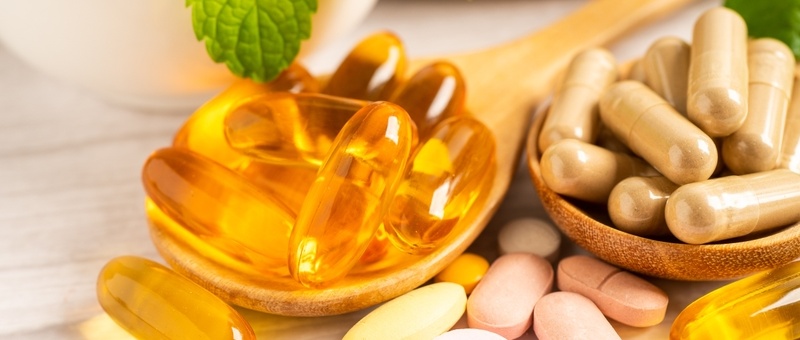
With so many pregnancy vitamins on the market, it can be hard to know where to begin. So which vitamins do you actually need during pregnancy and which are less essential?
Sign up for our free 8-week Healthy Pregnancy course!
Each week we’ll share useful information and essential tips on topics such as nutrition, exercise, mental health, symptoms to look out for, and preparing for childbirth, to help you navigate your pregnancy journey whatever stage you are at.
By subscribing you accept our Privacy Policy. You can unsubscribe at any time. We never sell your data.
Early pregnancy can be a bewildering time. No sooner has that line on the test appeared than you begin to Google: what should I eat; what should I drink; which foods are banned; can I keep up my normal exercise routine; is it even safe to run a hot bath?
Pregnancy vitamins are yet another thing to think about. With such a wide array of pregnancy supplements on the market, it can be hard to know where to begin. Which vitamins do you actually need and what is just marketing hype?
Perhaps you are already taking a multivitamin and don't want to change it, or believe eating a healthy, varied diet ought to be enough.
"A healthy balanced and varied diet should provide most (non-pregnant) people with the essential vitamins and minerals their body needs," says Dr Angela Rai, a GP at The London General Practice.
"However, there are times when supplements may be required. Vitamins taken in pregnancy should be specific for pregnancy and from a reputable brand.
Which pregnancy vitamins do you actually need to take?
There are some, but you may not need to supplement as many vitamins as you think. The two pregnancy vitamins you do need to think about are folic acid and vitamin D.
Folic acid
As your midwife will explain to you at your booking appointment, you need to take folic acid throughout the first 12 weeks of pregnancy. In an ideal world, you'd have started supplementing folic acid even before conception. Otherwise, the advice is just to begin as soon as you find out you're pregnant.
"All pregnancy vitamins will contain 400 mcg of folic acid," says Abbas Kanani, a pharmacist at Chemist Click.
"Good sources of folate, the natural form of folic acid, include green leafy vegetables, and breakfast cereals fortified with folate. However, it's quite difficult to guarantee the recommended amount of folate from diet alone, which is why prenatal vitamins containing folic acid are very important."
The rationale here is that folic acid helps prevent certain birth defects, mainly spina bifida and anencephaly. These conditions, known as neural tube defects, occur very early in pregnancy when the baby's spinal cord and brain fail to develop properly.
A major 1991 study from the Medical Research Council found that taking folic acid supplements prevents around 72% of neural tube defects.
While 400 mcg (the standard dose in a prenatal vitamin) will be enough for most pregnant women, some people will need more.
If you have other risk factors, such as a family history of spina bifida or a BMI over 30, you are advised to take a higher-dose supplement prescribed by a GP.
Vitamin D
It's advised to take vitamin D throughout your whole pregnancy, especially between September and March when it's harder to derive vitamin D from the sun. In the winter, around 30-40% of the UK population are classed as vitamin D-deficient - and rates are much higher for people with darker skin.
A 2020 study found that 57% of Brits with Asian ancestry, and 39% of those with Black African ancestry, were severely deficient in vitamin D. Unfortunately, vitamin D deficiency in pregnancy can be bad for you and for the baby.
For the baby, it has been associated with a risk of soft bones and even rickets, along with a greater risk of childhood asthma and type 1 diabetes. For you, it can heighten the risk of pre-eclampsia and gestational diabetes.
Supplementation is vital - but don't take more than 100 mcg a day. "It is recommended to take around 10 mcg of vitamin D daily, when pregnant," says Kanani.
"This helps in the development of the baby’s bones, teeth, kidneys, heart and nervous system.
Studies also show that vitamin D helps to reduce the chances of developing high blood pressure and diabetes when pregnant."
Which other pregnancy vitamins might I need?
You should be able to meet your other vitamin requirements simply by eating a balanced diet. However, some people may benefit from supplementing the following:
Iron
You'll be offered a blood test early in pregnancy that will check for iron-deficiency anaemia. If you do have low iron levels, your doctor will prescribe a supplement. However, iron supplements are not routinely recommended for pregnant women because they can have side effects. Make sure to eat lots of iron-rich food, such as leafy green vegetables, pulses, nuts and dried fruit, and red meat.
"Iron is essential for red blood cells and iron deficiency is common in pregnancy," says Dr Rai. "Low iron can affect the immune system and ability to exercise and can make the heart beat abnormally fast. Taking over-the-counter supplements should be safe; stronger doses should be taken with advice from your doctor."
Calcium
Calcium is essential during pregnancy for strengthening the baby's bones and teeth. That said, you probably don't need to take a supplement.
You may need to take extra precautions to get enough calcium from your diet if you're vegan or don't have any dairy in your diet. While dairy products are the best-known source of calcium, you can also find it in leafy green vegetables, tinned fish with bones, fortified plant milk, nuts, sesame seeds and tofu.
Vitamin B12
If you are a vegan, you are probably already taking vitamin B12 supplements, as it can be hard to get sufficient levels from a plant-based diet. Pregnancy is no time to stop - look out for a prenatal supplement that includes B12.
Are there any pregnancy vitamins to avoid?
A 2016 study found that expensive multivitamin supplements (which can contain more than 20 vitamins and minerals) did not have any special benefits for mothers and babies.
You should avoid general multivitamins that are not specifically tailored for pregnancy, along with high doses of any vitamin.
Above all, steer clear of supplements containing vitamin A (retinol), as high doses of vitamin A can be harmful to the baby. That also applies to cod liver oil and any liver products, including liver paté - but don't worry about vegetables like carrots, as the levels they contain are perfectly safe.
Certain herbal supplements may be a bad idea too, so check with your doctor before taking anything that isn't formulated for pregnancy. You can pick up pregnancy vitamins from your pharmacy or GP, while some women will qualify for the NHS Healthy Start scheme, which entitles them to free vitamins.
Speak to your healthcare professional
If you're not sure what to go for, or if you have a specific medical condition or dietary restriction, talk to your GP, midwife or pharmacist.
"All pharmacists will have a lot of experience dealing with mothers-to-be," says Kanani. "We are well versed in vitamins, and we can make specific recommendations as well as addressing your questions. You can also ask your pharmacist to check for interactions with any medication you are taking, and to check the suitability of vitamins with any medical conditions you have."
Patient picks for Diet and lifestyle
Pregnancy
What to do if you miss alcohol during pregnancy
The message given to pregnant women is to not drink any alcohol. However, this can be easier said than done, especially during the festive season. Suddenly, staying sober can seem much harder at Christmas or New Year when you're sober and everyone else is indulging in bubbly. So what can you do if you miss alcohol during pregnancy?
by Lydia Smith
Pregnancy
Our top tips for coping with hot weather and pregnancy
Being pregnant isn't easy, but it can be even more challenging in the summer. With the heat and humidity - and the swollen legs and feet - hot weather and pregnancy aren't exactly the perfect match. So here are some top tips to stay cool and comfortable when the temperature rises outside.
by Lynn Stephen
About the authorView full bio

Abi Millar
Freelance Journalist
BA (Hons), MA
Abi is a freelance journalist with a special interest in health and medicine writing.
About the reviewerView full bio

Dr Sarah Jarvis
Clinical Consultant
MA (Cantab), BM, BCh (Oxon), DRCOG, FRCGP, MBE
After training in medicine at Cambridge and Oxford, Dr Sarah Jarvis MBE became a GP.
Article history
The information on this page is peer reviewed by qualified clinicians.
Article also available in English, German, Spanish, French, Italian, Portuguese, Hindi, Hebrew, Arabic, and Swedish.
Next review due: 19 May 2025
18 May 2022 | Latest version
Join the conversation
Share your thoughts or experiences with others in our patient communities.

Ask, share, connect.
Browse discussions, ask questions, and share experiences across hundreds of health topics.

Feeling unwell?
Assess your symptoms online for free
Sign up to the Patient newsletter
Your weekly dose of clear, trustworthy health advice - written to help you feel informed, confident and in control.
By subscribing you accept our Privacy Policy. You can unsubscribe at any time. We never sell your data.
More in pregnancy
- Bacterial vaginosis in pregnancy: What you need to know
- Do anabolic steroids cause infertility?
- Experts dispute new study linking C-section births to autism
- How does miscarriage affect partners?
- How to cope with groin and pelvic pain in pregnancy
- How to create a birth plan
- How to quit smoking during pregnancy
- How to safely maintain your exercise routine while pregnant
- How to stay healthy and safe when pregnant at Christmas
- HPV and pregnancy: what to expect
- Is gastroenteritis harmful in pregnancy?
- Junk food diet linked to low sperm count
- Our top tips for coping with hot weather and pregnancy
- Postpartum power: exercising after pregnancy
- Should you take probiotics for pregnancy?
- Thrush in pregnancy: what you can and can't do
- What is the difference between implantation bleeding and a period?
- What to do if you need an abortion
- What to expect at your first ultrasound scan
- When should you announce a pregnancy?