Making sure your medicine is safe at home
Peer reviewed by Dr Krishna Vakharia, MRCGPLast updated by Victoria RawLast updated 25 Oct 2024
Meets Patient’s editorial guidelines
- DownloadDownload
- Share
- Language
- Discussion
- Audio Version
- Add to preferred sources on Google
If you've ever rummaged through the back of your medicine cabinet for painkillers, you may find half-finished packs of tablets you took for a bad back some time ago, or a bottle medicine you opened a few weeks back. For #MedSafetyWeek we have a look at what you need to know about making sure your medications are safe and effective to take.
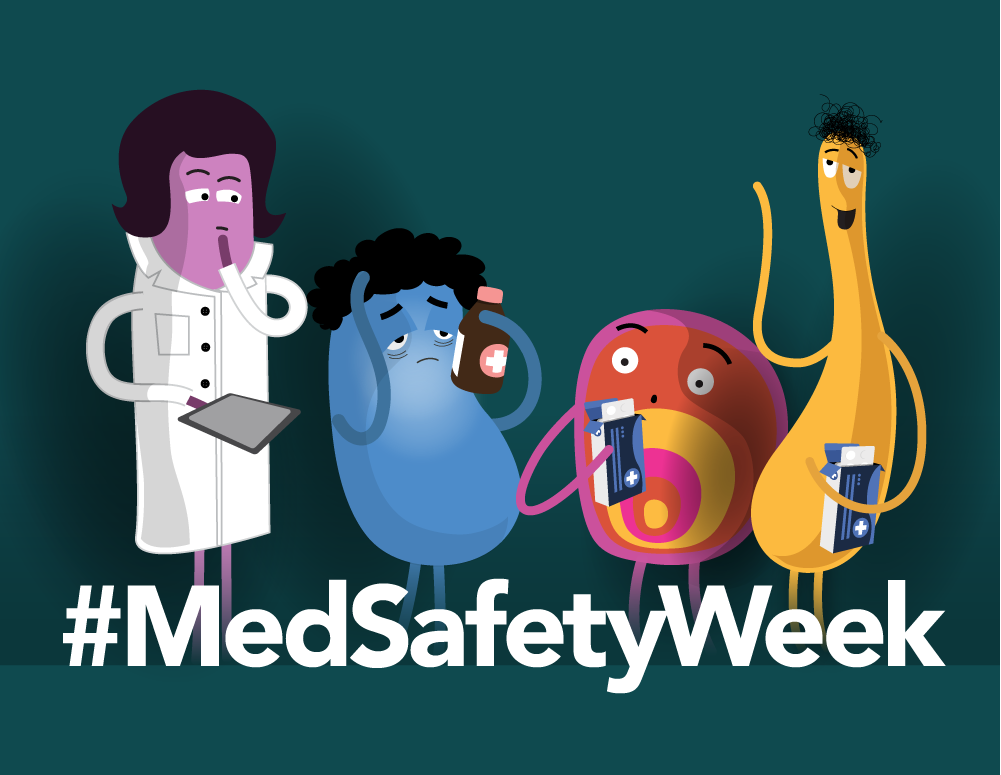
#MedSafetyWeek is an annual campaign organised by the Medicines and Healthcare products Agency (MHRA). This encourages you to report any suspected side effects from medicines, a medical device incident, or if you believe a product isn't working as intended. The MHRA Yellow Card Scheme helps to detect and resolve potential safety issues with medicines and healthcare products.
#MedSafetyWeek 2024 (4-10 November)
What is an expiry date?
The expiry date of a medicine is the latest date that the manufacturer guarantees that the medicine will be as effective - and as safe - as when it was issued. It's a legal requirement for all medicines in the UK to have an expiry date.
Manufacturers tend to pick arbitrary expiry dates which are one or two years after the manufacture of a batch of medicines. They check them on that date to ensure the medicine is stable and works at the dose it's prescribed.
Sealed packaging
Whether or not the package is adequately sealed can change how long it stays safe for. Light, variations in temperature and moisture can affect the stability of a medicine. That's why your medicine cabinet is a fairly good place for many products, because it's dark and does not usually have big temperature fluctuations.
Many medicines come in foil blister packs, which keep moisture and light out. The expiry date guarantees that as long as the blister isn't opened, they will still be effective up to that time.
However, if the packaging that surrounds the medicine - as opposed to the cardboard box it is in - is opened, that expiry date cannot be guaranteed. Likewise, tablets in bottles can never be guaranteed past their expiry date.
Temperature of the medicine
Another key variable is temperature. Some medicines - usually non-tablet forms - need to be kept in the fridge. If you leave them out by mistake, they may be less safe or less effective even before their expiry date is reached.
How expiry dates affect other types of medicines
Any medicine that contains preservatives - eye drops are a common example - may not be safe once it has passed its expiry date. That's because the preservatives are added to avoid harmful bacteria growing in the liquid - which can cause damage to your body, especially in sensitive areas like eyes.
Sometimes, a shortage of supply means the NHS and national drug safety agencies need to check and see whether a medicine is still safe. Importantly, liquids may have two dates - an expiry date if unopened, and a shorter time-frame for use once opened - take notice of both.
What to do with expired medicines
If you have unused medicine that has expired, speak to your pharmacist. Your pharmacist cannot re-issue medicines to other people, even if the packet is unopened, for safety reasons. However, they can often dispose of it safely for you.
If you have any one of a range of long-term conditions such as high blood pressure, raised cholesterol, diabetes, asthma, chronic kidney disease or heart disease, you may be taking several regular medicines. Taking these medicines exactly as prescribed means you'll get maximum benefit and protection from them. And taking steps to manage and organise your medicines properly will make this a lot easier.
Although they aren't strictly medicines, sun creams and lotions have an expiry date for a reason. The protection they provide becomes much less effective over time, especially if they've been opened or left out in the sun. Get rid of sunscreen at the end of every summer season or at least as soon as it reaches its expiry date.
It's good to do a regular clean out of your medicine cabinet. You might want to put a reminder in your diary to do this every six months - or more often if you take multiple medicines. And if you're not sure whether a medicine is safe, do not take it.
For more information about #MedSafetyWeek and the Yellow Card scheme for reporting suspected side effects from your medicines visit yellowcard.mhra.gov.uk.
Never take someone else's prescription medicine, or share yours with anyone else. Keep all medicines out of sight and reach of children. Always read the patient information leaflet (PIL) or instructions that come with any medicine or medical device. This will provide important details about potential side effects, risks, and how to use the product correctly.
With thanks to 'My Weekly' magazine where this article was originally published.
Patient picks for Medicine information

Treatment and medication
How does paracetamol know where our pain is?
Paracetamol is a miracle worker for many of us. We take it for headaches, toothache and sickness. It can treat raised temperatures and is also an ingredient in a variety of cold and flu medications. But, how does it work exactly? How can one tablet treat such a variety of problems? Let's explore the science behind the wonder that is paracetamol.
by Emily Jane Bashforth

Treatment and medication
The dangers of fake drugs
When you buy from your local pharmacy or receive your prescription, you know that you're getting a medicine that has been rigorously tested and found to be safe and beneficial for your condition. However, when you buy from some online retailers or from an unlicensed supplier, there's no guarantee that what you're buying will be real.
by Milly Evans
About the authorView full bio

Dr Sarah Jarvis
Clinical Consultant
MA (Cantab), BM, BCh (Oxon), DRCOG, FRCGP, MBE
After training in medicine at Cambridge and Oxford, Dr Sarah Jarvis MBE became a GP.
About the reviewerView full bio

Dr Krishna Vakharia, MRCGP
Chief Medical Officer for Health, Optum UK
MBChB, MRCGP(2013), BMedSci (hons), DFSRH, DRCOG, PGDipDerm (Distn)
Dr Krishna Vakharia is an NHS GP. She is also a regular examiner for the postgraduate Diploma in Practical Dermatology at Cardiff University as well as being the Chief Medical Officer for health at Optum UK.
Article history
Article also available in English, German, Spanish, French, Italian, Portuguese, Hindi, Hebrew, Arabic, and Swedish.
Next review due: 24 Oct 2027
25 Oct 2024 | Latest version
28 Sept 2022 | Originally published
Authored by:
Dr Sarah Jarvis
Join the conversation
Share your thoughts or experiences with others in our patient communities.

Ask, share, connect.
Browse discussions, ask questions, and share experiences across hundreds of health topics.

Feeling unwell?
Assess your symptoms online for free
Sign up to the Patient newsletter
Your weekly dose of clear, trustworthy health advice - written to help you feel informed, confident and in control.
By subscribing you accept our Privacy Policy. You can unsubscribe at any time. We never sell your data.
More in treatment and medication
- 4 first aid tips for a safe and merry Christmas
- Are facial workouts good for sleep, speech and oral health?
- Book a Pharmacy First online consultation
- Can deaf people have therapy?
- Can hair transplants improve mental health?
- Don't sweat it: 5 sauna health benefits in the hot seat
- Earache relief: medicine and remedies
- Hay fever: how your pharmacist can help
- How to decide between different types of therapy
- How to teach yourself first aid
- Labiaplasties – what are they and are they ever medically necessary?
- Prescriptions: your questions answered
- What age can you get lip fillers and Botox in the UK?
- What is gastric sleeve surgery?
- What is psychodynamic therapy?
- What is video physiotherapy and who can it help?
- What should you do if someone goes into cardiac arrest?
- What to expect when your child starts talking therapy
- Why antibiotics shouldn't be overused
- Why is therapy so exhausting?