How to become more flexible
Peer reviewed by Dr Colin Tidy, MRCGPLast updated by Lynn StephenLast updated 23 Jul 2026
Meets Patient’s editorial guidelines
- DownloadDownload
- Share
- Language
- Discussion
- Audio Version
- Add to preferred sources on Google
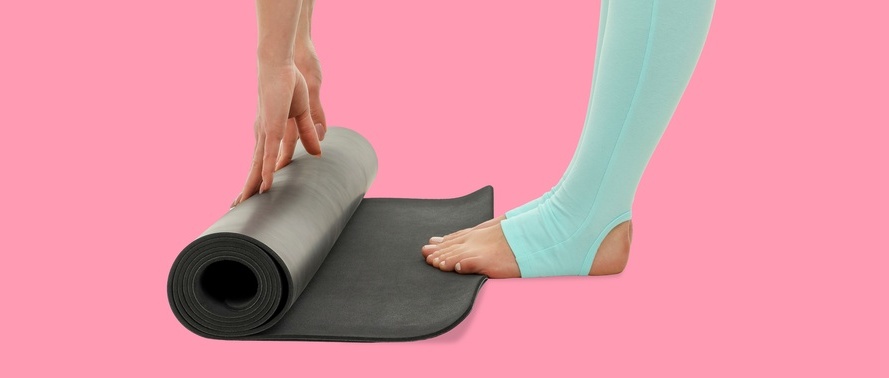
The word flexibility conjures up an image of an advanced yogi becoming tied up in knots. But the truth is, flexibility is something we all need to think about. However fit you are, if you neglect your flexibility, you leave yourself more prone to injury or find yourself unable to perform daily tasks as you age.
Why do we lose flexibility?
We're born with pretty flexible tendons and joints - as anyone who's seen a baby happily nibbling on their toes can testify. But a few years down the line, most of us have already lost an amount of flexibility simply because we're not using our full range of motion.
Nell Mead, physiotherapist, explains that you start losing flexibility as soon as you go to school and start sitting down more.
"If you don't use the stretchy material within your muscle (filaments) then they become shorter," she says.
In addition, as you get older your body naturally becomes less flexible.
Karen Laing, instructor from Fit School, says that as you age, your tendons, ligaments, and muscles lose elasticity and stretch-ability.
Why is flexibility important?
In years gone by, it was believed that the more flexible you were, the better it was for your health. However, we now know it's possible to be too flexible. Flexibility is important as it allows you to do the things you need to do with your body - from tying your shoelaces to fastening your clothing. But too much flexibility, including in conditions such as Ehlers-Danlos syndrome, may mean less control over the movement of your joints.
People who are hyperflexible might be more prone to arthritis because they have less control over the bones in their joints. People with too little are more prone to strains and sprains.
So how flexible do you need to be?
The amount of flexibility required varies from person to person. If you're hoping to take on some mountain climbing, you'll need a little more range than if you get your exercise through walking. Exercise aside, we all need to have the range of motion required to complete the daily tasks required of us.
If you've lost flexibility, whether through age, injury, or insufficient stretching, you may find that you are unable to do a task that was previously in your range of movement. For example, struggling to fasten your bra, or clip your toenails.
One way of ensuring flexibility is maintained is through daily movement and stretching.
"Try taking your body through its full range of motion every day," advises Mead. "That could be just having a stretch - it could be doing a session of yoga or dance if that's what works for you. The full range every day because then you won't lose it."
Becoming more flexible
As well as maintaining your existing flexibility, you may wish to develop more flexibility as part of a new exercise regime, to prevent injury and ensure ease of movement.
If you're starting something new, or finding movement a struggle, it's time to take action. The good news is that if you've lost filament through underuse you can rebuild it and increase your flexibility through stretching. You may find stretching exercises, such as the suggestions at the end of this piece useful. Or you may need to visit a doctor or physiotherapist for support.
Mead explains that the differential here is pain.
"If when you try to stretch into a position your arms or back feel sore, it's worth getting checked out as you may have an injury," she says.
If you don't need medical treatment, there are many ways to increase your flexibility - through being mindful of your body and carrying out stretching exercises. The important thing here is ensuring you carry out any exercise in a careful and controlled manner in order to benefit fully.
Flexibility as part of your workout
If you simply want to improve or maintain your range of movement, the types of exercise you may want to turn to will differ depending on how you want to use your body. Laing recommends ensuring balance in the different exercises and movements you carry out as part of your fitness regime.
"It's about balance. Do you have the following as part of your regular activity programme?" she asks.
Something to get your heart rate up regularly.
Something that gets impact into your joints - such as running or resistance training.
Something that helps with your coordination - for example, a specific class for older adults.
A movement-based class such as Pilates or yoga.
It's easy to neglect flexibility, but crucial to build it into your everyday movement for long-term health and fitness.
Exercises to help with flexibility
In order to improve flexibility, Laing recommends trying the following moves:
Side bends/reaches (lateral flexion)
Stand with your back against a wall.
Reach your hand down the side of your leg as far as you can and return to standing.
Repeat on the other side.
You could also do this seated on a hard-backed chair.
Twists
You can do this movement standing or on a chair:
Reach one arm behind you allowing your body to twist.
To increase the range, look towards your arm as it reaches.
If you have shoulder mobility issues then fold your arms across your chest and perform the twist this way.
Front and back bends (forward flexion)
A cat stretch is the easiest way to do this movement:
From your hands and knees stretch your back up to the ceiling like an angry cat.
Then reverse the move so your back drops to the floor.
If your knees don't like this move, try a shoulder bridge instead:
Lie on the floor with your feet under your knees.
Slowly roll your spine off the floor until you are in a bridge position.
Then, return to the floor.
Patient picks for Exercise and physical activity

Healthy living
Deep resting squat - can this simple posture unlock flexibility, mobility, and longevity?
When we go to sit down, most of us instinctively head straight for a chair or comfy sofa without giving it a second thought. Modern life has normalised this way of sitting, with many of us rarely considering any other position. Over time, however, this habit can negatively affect our flexibility, mobility, and strength. Popular across much of the world, the deep resting squat offers a natural alternative - and a range of potential benefits.
by Hannah Boynton-Forshaw
Healthy living
Is running bad for your knees?
If you're taking up running, you may be wondering if it's is bad for your knees. In fact, this cardiovascular exercise can help to keep your knees and other joints healthy. The key is not to put more stress on your knees than your body can handle.
by Victoria Raw
About the authorView full bio

Gillian Harvey
Freelance Writer
BA (Hons) English
Gillian is a freelance writer and columnist for a variety of national newspapers and magazines.
About the reviewerView full bio

Dr Colin Tidy, MRCGP
General Practitioner, Medical Author
MBBS, MRCGP, MRCP (Paediatrics), DCH
Dr Colin Tidy is an NHS Doctor, based in Oxfordshire.
Article history
The information on this page is peer reviewed by qualified clinicians.
Article also available in English, German, Spanish, French, Italian, Portuguese, Hindi, Hebrew, Arabic, and Swedish.
Next review due: 22 Jul 2029
23 Jul 2026 | Latest version
24 Sept 2020 | Originally published
Authored by:
Gillian Harvey
Join the conversation
Share your thoughts or experiences with others in our patient communities.

Ask, share, connect.
Browse discussions, ask questions, and share experiences across hundreds of health topics.

Feeling unwell?
Assess your symptoms online for free
Sign up to the Patient newsletter
Your weekly dose of clear, trustworthy health advice - written to help you feel informed, confident and in control.
By subscribing you accept our Privacy Policy. You can unsubscribe at any time. We never sell your data.
More in healthy living
- 5 ways to get more out of every step you take on the road to better health
- UpdatedBody positivity: 7 daily habits for self-love and acceptance at any age
- Can you blame your weight on your genes?
- Can you really be fit and fat?
- Diabetes burnout - how mindfulness can support your mental wellbeing
- Good sleep matters: it isn't just about clocking hours
- How poor posture impacts more than just your back
- How to get back into exercise after having a baby
- How to improve your self-esteem and be kinder to yourself
- How to stop ‘mum guilt’ from impacting your mental health
- Is the vagus nerve the key to our mental health?
- Is your exercise routine giving you acne?
- Nurturing intimacy: 6 tips for long-term relationships
- Should you take regular breaks from drinking alcohol throughout the year?
- Spotting depression in your partner
- The best mindfulness apps, according to experts
- Tips for a healthier online life
- What is forest bathing and can it improve your health?
- What to do if you relapse after quitting smoking
- Why walking your dog can boost your mental health