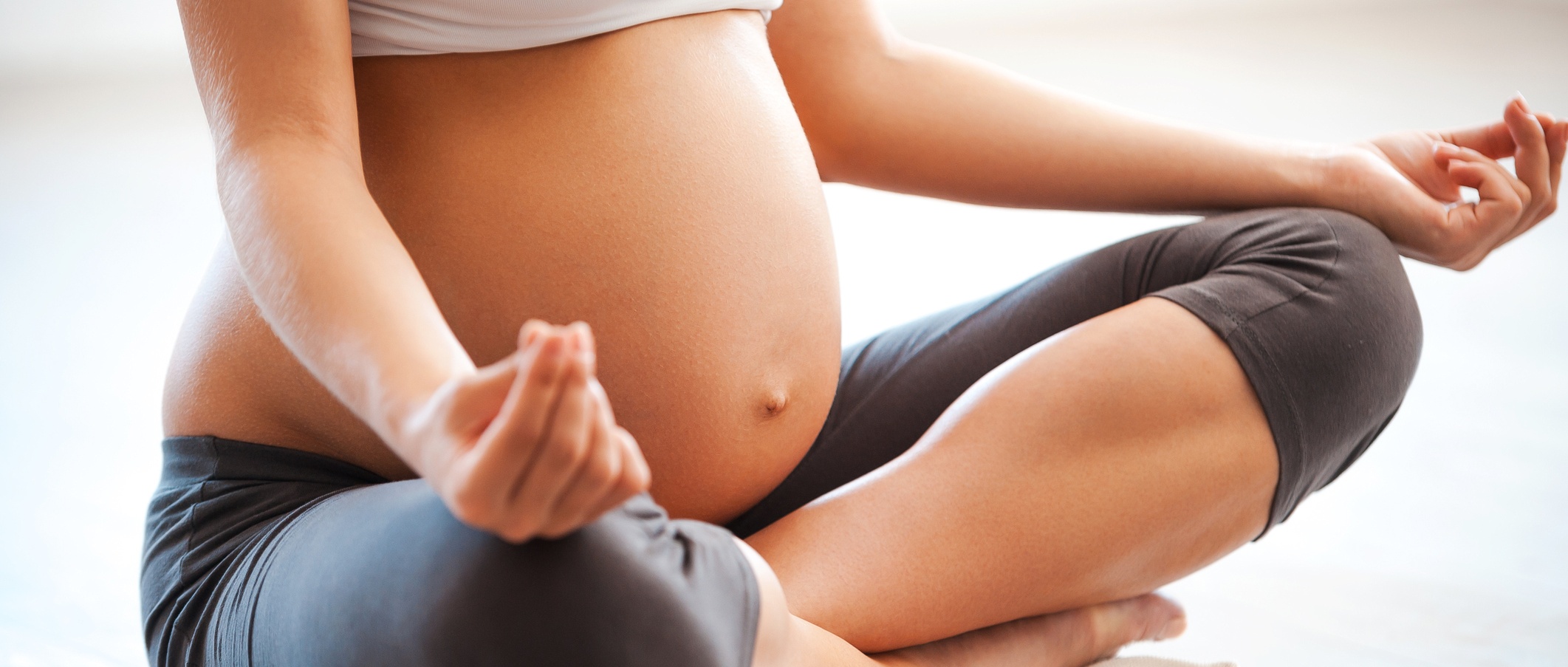
Does mindfulness help during pregnancy and delivery?
Peer reviewed by Dr Sarah JarvisAuthored by Sara LindbergOriginally published 26 Sept 2017
Meets Patient’s editorial guidelines
- DownloadDownload
- Share
- Language
- Discussion
- Audio Version
- Add to preferred sources on Google
If there is one universal truth about pregnancy and childbirth, it’s that they rarely go as planned. When I was pregnant with my second child, I took a tumble down the steps and landed myself in the hospital with pre-labour contractions.
Sign up for our free 8-week Healthy Pregnancy course!
Each week we’ll share useful information and essential tips on topics such as nutrition, exercise, mental health, symptoms to look out for, and preparing for childbirth, to help you navigate your pregnancy journey whatever stage you are at.
By subscribing you accept our Privacy Policy. You can unsubscribe at any time. We never sell your data.
With eight weeks left until the due date, my doctor sent me home with a very specific set of instructions: partial bed rest until the baby is born.
Take a chill pill
Unlike the constant feelings of 'busyness' and being on edge that I experienced during my first pregnancy, this prescription to "hit the pause button”, forced me to slow down, focus and be mindful of what was happening in my body.
This feeling of being calm and fully present is something most mums-to-be would love to experience during pregnancy and childbirth. Unfortunately, the physical and emotional demands that come with nurturing your body (and growing baby), as well as dealing with the hustle of day-to-day life, often cause undue stress.
That's why so many women are turning to the practice of mindfulness to help guide them through this journey.
Learning mindfulness in maternity
One of the most noticeable benefits of mindfulness is that it helps you slow down and focus on the moment. Mindfulness-based interventions can reduce stress, improve coping skills and promote feelings of wellbeing. In fact, practising mindfulness on a daily basis may reduce pregnancy-related anxiety and depression, which can help you feel calmer and more connected to your body.
No wonder so many women are looking to gain insight and skills into how to practise mindfulness while they are pregnant.
“Typically, mindfulness exercises are taught and honed during pregnancy for use during labour and delivery,” says midwife Alexandrea Garbus.
During pregnancy, the body and mind both go through incredible changes. Garbus says she has seen mindfulness used to help some of the temporary discomforts of late pregnancy, as well as some of the emotional rollercoasters of pregnancy.
Mindfulness expert Micki Fine further explains that stress can be a factor at any time during pregnancy, labour, or after the baby comes home. And through mindfulness practice, mum can learn to develop coping strategies that can be put to use during pregnancy, delivery and parenthood.
Fine recommends that we start the practice of mindfulness meditation early.
“This gives you practice time to cultivate the open-hearted, nonjudgmental presence that can help deal with stressors whether during pregnancy, labour or post-delivery."
She also encourages us to set aside time to practise mindfulness meditation on a regular basis.
Mindfulness during delivery
A recent study suggests mindfulness training carefully tailored to address fear and pain of childbirth may lead to important maternal mental health benefits. These range from improvements in childbirth-related appraisals to the prevention of postnatal depression symptoms
And unlike medications that aim to take the pain away during labour and delivery, mindfulness aims to change a person’s relationship to the pain sensations. That may make the experience of the pain less all-absorbing and less likely to trigger a cascade of negative emotions that make things worse.
Garbus explains that mindfulness during pregnancy and labour helps increase confidence and decrease fear, helps to develop a coping mechanism for pain management, facilitates communication and connection between partners, and teaches stress reduction techniques.
Staying in the moment
Mother, Isa Down, says she had an unmedicated labour, and mindfulness helped her feel like she was remaining connected to the moment while staying grounded. “I used mindfulness and deep breathing to get through the intense moments,” she says.
Like many other women, Down’s experience demonstrates how our thoughts about physical pain during labour can be decreased by practising mindfulness - a benefit that Fine also agrees with.
“Mindfulness can help you work with physical pain in the body by providing techniques for dealing with the pain one moment at a time,” she explains.
Trying to ward off labour pain by tensing or fighting with it causes greater discomfort and longer labour. “What we resist persists, and when we can acknowledge the pain and soften around it, to the best of our ability, pain may be less intense and labour may go more quickly,” says Fine.
Mindfulness can help us develop the compassion, and openness we need to let go of negativity. It's a practice that will stand you in good stead as your baby grows over the following 18 years, and beyond.
Patient picks for Labour and childbirth

Pregnancy
The best form of childbirth for you and your baby
In 2005, the Royal College of Midwives (RCM) started the Campaign for Normal Birth, an initiative to increase the number of births that happened ‘naturally, and without medical intervention’. In August 2017, banner headlines in the newspapers announced that the campaign was no more – but actually, this was no sudden decision.
by Dr Sarah Jarvis

Pregnancy
How to help your C-section recovery
When you’re adjusting to life with a baby and juggling milk and nappies, it can be easy to forget you had major surgery if you had a caesarean section (C-section). Recovering from any birth can be difficult, but healing after a C-section comes with unique challenges. So what can you do to help the healing process?
by Lawrence Higgins
About the authorView full bio

Sara Lindberg
Senior Writer
BSc (Hons), MSc
Sara Lindberg is a freelance health, fitness, and wellness writer.
About the reviewerView full bio

Dr Sarah Jarvis
Clinical Consultant
MA (Cantab), BM, BCh (Oxon), DRCOG, FRCGP, MBE
After training in medicine at Cambridge and Oxford, Dr Sarah Jarvis MBE became a GP.
Article history
The information on this page is peer reviewed by qualified clinicians.
Article also available in English, German, Spanish, French, Italian, Portuguese, Hindi, Hebrew, Arabic, and Swedish.
26 Sept 2017 | Originally published
Authored by:
Sara LindbergPeer reviewed by
Dr Sarah Jarvis
Join the conversation
Share your thoughts or experiences with others in our patient communities.

Ask, share, connect.
Browse discussions, ask questions, and share experiences across hundreds of health topics.

Feeling unwell?
Assess your symptoms online for free
Sign up to the Patient newsletter
Your weekly dose of clear, trustworthy health advice - written to help you feel informed, confident and in control.
By subscribing you accept our Privacy Policy. You can unsubscribe at any time. We never sell your data.
More in pregnancy
- Can your diet and lifestyle improve fertility?
- Does hormonal contraception affect your sex drive?
- Healthy pregnancy - what you need to know
- How does miscarriage affect partners?
- How to be a supportive birth partner during childbirth
- How to cope with hair loss after having a baby
- How to deal with heartburn during pregnancy
- How to quit smoking during pregnancy
- Is it safe to have the flu jab when you're pregnant?
- Miscarriage: why it's important to break the taboo
- Pregnancy complications videos
- Quiz: Do I have postnatal depression?
- What causes dizziness in pregnancy?
- What not to say to someone experiencing infertility
- What to do about contraception after giving birth
- What to do if you miss alcohol during pregnancy
- What to do if you need an abortion
- What your pregnancy cravings could mean
- What's the future of contraception?
- Which medications can affect your contraception?