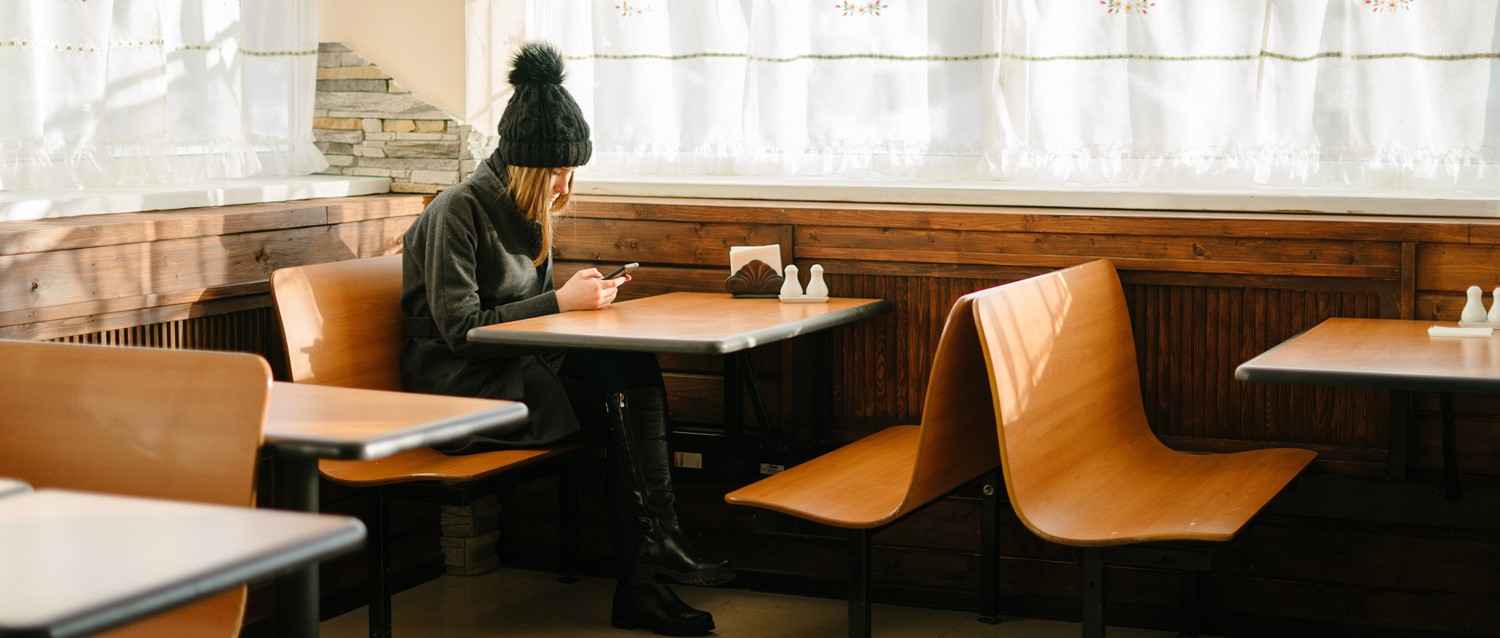
Is social media making us depressed?
Peer reviewed by Dr Sarah JarvisLast updated by Danny ChadburnLast updated 21 Sept 2017
Meets Patient’s editorial guidelines
- DownloadDownload
- Share
- Language
- Discussion
- Audio Version
- Add to preferred sources on Google
In the last 10 years, social media platforms from Facebook and Twitter to Instagram and Snapchat have changed the way we communicate with and relate to each other, but a growing amount of research suggests this has had a negative effect on our mental health.

Several studies have now linked the use of social networks with anxiety and depression, while researchers from the University of Pittsburgh discovered that the more different platforms people use, the higher their risk of mental health issues.
"Using social media can be hard on your self-esteem," says psychologist Emma Kenny. "It's easy to look at people's lives on Facebook or Instagram and compare them to your own. It may seem as though others are happier, more attractive, more successful or more popular, which can lead to feelings of inadequacy and loneliness."
One survey by a mothers' meet-up app found 'mummy bloggers' posting about their apparently perfect lives and children, made other mothers feel depressed and inadequate. Seeing someone's photos get more Likes than yours can also make you feel less popular, jealous, or worthless.
The negatives and positives of social media
Social media can be particularly painful when personal sensitivities are triggered. For example, if you're reluctantly childless, new baby photos or back-to-school pictures can be upsetting and remind you of what you don't have. Seeing Mother's Day and Father's Day celebrations on friends' feeds can also be distressing if you've lost a parent.
This advertising has always been there but because we interact with social media on a much deeper level than we ever did with television or magazines, it can feel as though there's no escape from our triggers.
Getting drawn into a political or controversial discussion isn't just distracting - it can leave you feeling isolated and, in the worst-case scenario, bullied too. "In comments threads, people can say very harsh, judgemental things they'd never say to your face," says Kenny. "If people turn against you on social media, it can leave you feeling attacked and vulnerable." The problem of online bullying is now so bad, there's actually legislation to stop 'trolls' creating derogatory hashtags or photos that humiliate other people.
Using social media sites has also been linked with loneliness. You may fall into the trap of staying in touch online rather than speaking to or seeing friends. So although you feel as though you're keeping in contact, Kenny warns that the quality of connection isn't the same.
That's not to say social media can't have a positive effect; some research has found social networking can be very beneficial. For example, a study by the University of South Florida on the over-50s found using the Internet to connect with friends and family could actually strengthen social bonds. As well as reconnecting you with people you haven't seen for a long time, social media sites can make it easier to arrange get-togethers or create events to bring different groups of friends together.
Happier social networking
Remember what you see isn't always reality. Most people put up their most flattering photos - often edited - and only share the positives in their lives, which can give you a skewed idea of what's really going on.
Be authentic. "Share day-to-day struggles and less-than-flattering pictures of yourself. This will open up honest discussions and encourage your friends to be more realistic too," says Kenny.
Hide when you need to. Feeling vulnerable? "Give yourself a digital detox and don’t look at social media for a while - this can be very liberating," says Kenny.
Keep it light. Unless you enjoy a juicy debate, focus on the happy and the humorous: cat videos and clever cartoons fall into this category.
Filter your friends. If you've had a recent heartbreak, consider cutting contact with your ex on social media - seeing glimpses of what they're doing can prolong the agony. Similarly, if your friend is pregnant while you're struggling with infertility, or your cousin is getting married when you've just been through a painful divorce, unfollow their posts for a while. They won't know and it could make things easier for you.
Use sites and apps for real-life get-togethers. See social media as a tool for making and strengthening connections, rather than a way of connecting in itself. Apps like Meetup were designed to facilitate real-life meetings of like-minded people, while others were created to help you find events to attend, such as Bandsintown for music.
Patient picks for Depression
Mental health
Are men or women less likely to get help for depression?
When it comes to depression – and getting help for it – there are often key differences between men and women.
by Danny Chadburn
Mental health
How to stave off depression in later life
Whether it's moving from work into retirement or dealing with the loss of a loved one, it's evident that the stresses and feelings of isolation in later life can take their toll. And it may come as little surprise that nearly half of all adults aged 55 and over said they had experienced depression, according to a recent survey by Age UK.
by Karen Gordon
About the author

Danny Chadburn
Head of Content
Danny was the previous Head of Content at Patient.
About the reviewerView full bio

Dr Sarah Jarvis
Clinical Consultant
MA (Cantab), BM, BCh (Oxon), DRCOG, FRCGP, MBE
After training in medicine at Cambridge and Oxford, Dr Sarah Jarvis MBE became a GP.
Article history
The information on this page is peer reviewed by qualified clinicians.
Article also available in English, German, Spanish, French, Italian, Portuguese, Hindi, Hebrew, Arabic, and Swedish.
21 Sept 2017 | Latest version
Join the conversation
Share your thoughts or experiences with others in our patient communities.

Ask, share, connect.
Browse discussions, ask questions, and share experiences across hundreds of health topics.

Feeling unwell?
Assess your symptoms online for free
Sign up to the Patient newsletter
Your weekly dose of clear, trustworthy health advice - written to help you feel informed, confident and in control.
By subscribing you accept our Privacy Policy. You can unsubscribe at any time. We never sell your data.
More in mental health
- Breaking the stigma of mental health
- Can you have therapy if you don't have a mental health problem?
- Facing your fear of the doctor: tips for easing medical anxiety
- How does losing a lot of weight affect your mental health?
- How students and teachers can beat exam stress
- How to cope with the loss of a friend
- How to deal with back to work anxiety
- How to improve your self-esteem and be kinder to yourself
- How to lower cortisol levels: 10 proven ways
- How to talk to children about death
- Is brain rot real - here's what brain health experts say
- Is your job putting your health at risk?
- More than just entertainment: Jeanie Y. Chang on K-dramas and mental health
- Movember spotlight: black men's mental health
- National Houseplant Week: Health benefits of biophilia and plants
- Re-sparkling - the science of finding more joy
- The best mindfulness apps, according to experts
- Video: What are the different types of mental health disorder?
- Why do some people experience summer anxiety?
- NewYoung-onset dementia - what you need to know