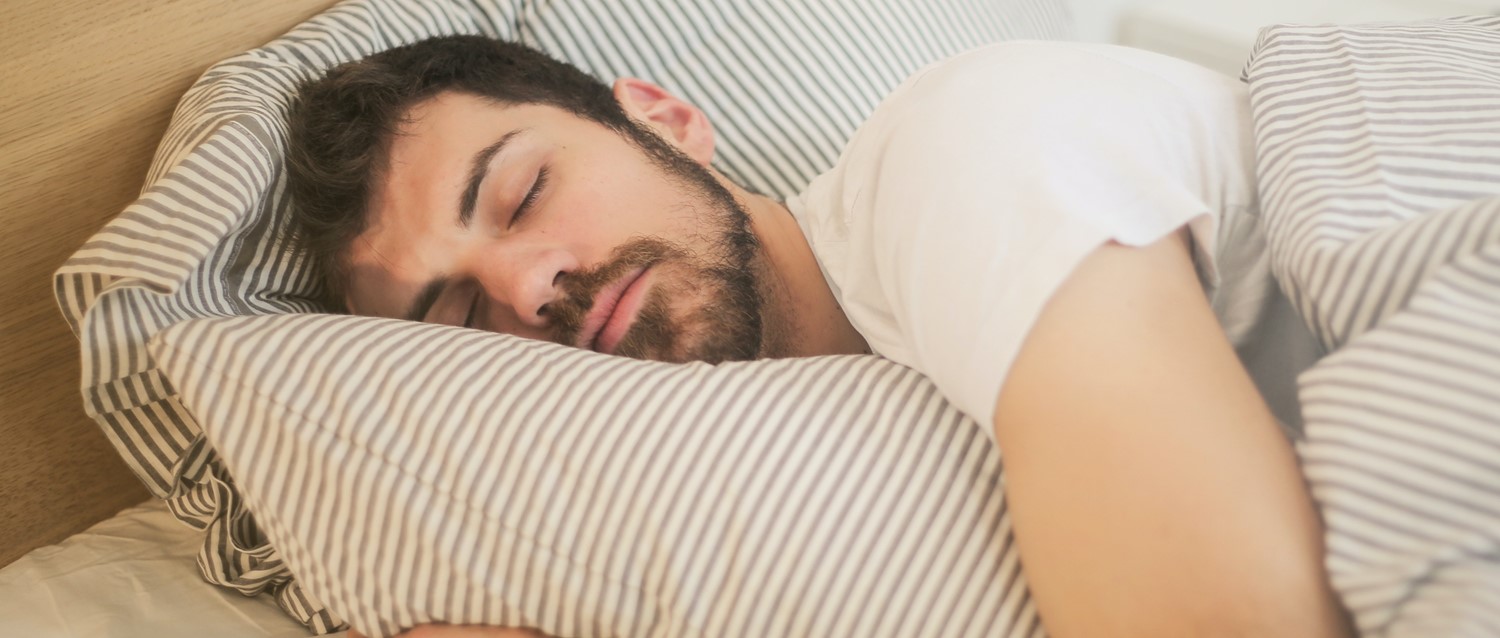
Is sleep apnoea dangerous? When snoring problems turn serious
Revisado por pares por Dr Krishna Vakharia, MRCGPÚltima actualización por Victoria RawÚltima actualización 21 Aug 2024
Cumple con las directrices editoriales
- DescargarDescargar
- Compartir
- Language
- Discusión
- Versión en audio
From grunts to loud snorts, 1 in 4 of us are in the habit of snoring as we sleep. Snoring on its own is usually nothing to worry about, but for some people, it is the main symptom of obstructive sleep apnoea. This is a breathing condition connected to sleep that can have some serious consequences if it's left untreated.
En este artículo:
Videos seleccionados para Sueño e insomnio
Continúa leyendo abajo
Is snoring bad for you?
Roncar is a common phenomenon that happens in around 6 out of 10 adult men and 4 out of ten adult women, according to the Sleep Foundation. It is estimated that one quarter of these people that snore, do so on a regular basis.
If you are prone to loud snoring, it's possible that it disrupts your quality of sleep and also the sleep of those you share a bed (or house) with.
"Snoring is caused by relaxation of the smooth muscle in the back of the throat," explains Dr Deborah Lee at Dr Fox Online Pharmacy. "This allows the soft tissues to reverberate as you breathe in and out."
The resultant tell-tale sounds can range from barely audible to heavy and loud snoring. In terms of your health, snoring itself is not bad for you.
However, sometimes snoring is a sign of obstructive sleep apnoea syndrome (OSAS). Known simply as sleep apnoea, OSA is a condition where técnica de respiración becomes restricted while you sleep.
How do you know if you have sleep apnoea?
Volver al contenidoUp to 9% of adults have obstructive sleep apnoea - a relatively small percentage compared to the number of regular snorers.
There are ways to tell regular snoring and sleep apnoea apart. While regular snoring is due noise produced by vibrations, sleep apnoea is due to a physical blockage that can restrict breathing. This obstruction happens when your throat muscles become so relaxed during sleep that your upper airway narrows or completely closes.
Apnoea and hypopnoea
"During sleep, there can be repeated episodes where you take a prolonged pause - often 10 to 30 seconds - before starting to breathe spontaneously again," says Lee.
Each pause is known as an apnoea episode. When this happens, your blood oxygen level drops and this is detected by the brain. Your brain then signals to you to wake up and to take a few deep breaths, often accompanied by an extra loud snore or snort.
"In severe cases, hypopnoea happens when your airway is 50% blocked for 10 seconds or longer," adds Lee. People often experience these periods of reduced airflow alongside apnoea episodes.
Sleep apnoea symptoms
As sleep apnoea happens while you sleep, the most direct symptoms are usually spotted by a partner - or a parent of a child with sleep apnoea.
Signs of sleep apnoea while you sleep:
Loud snoring.
Periods of quiet where breathing has stopped, followed by:
An abrupt choking/snorting sound.
Briefly waking up (which you may not remember) before falling straight back to sleep.
Sudores nocturnos (less common).
Signs of sleep apnoea that you may notice during the day:
Feeling constantly sleepy - a crucial distinction here is feeling tired regardless of the time you've spent asleep, as it is the quality and not the quantity of sleep that is the issue.
Poca concentración.
Not feeling refreshed on waking.
Morning dolores de cabeza.
Sensación de deprimido.
Falling asleep during the day.
Needing to pass urine frequently during the night.
Una reduced sex drive (libido).
Is it sleep apnoea or regular snoring?
You may not experience all the above sleep apnoea symptoms, but if several of them are negatively impacting your life then it may be worth visiting your doctor to get tested. It's also particularly useful if you share a bed with someone who can see what happens while you sleep.
Frequent occurrence of apnoea and hypopnoea sets sleep apnoea apart from a regular snoring problem. However, this happens to many of us now and again.
Cuándo ver a un médico
For a diagnosis of sleep apnoea, you need to have at least five episodes of apnoea, hypopnoea, or both events per hour of sleep. The different severity levels are classified as follows:
Mild sleep apnoea - between 5-14 episodes an hour.
Moderate sleep apnoea - between 15-30 episodes an hour.
Severe sleep apnoea - more than 30 episodes an hour.
Risk factors for sleep apnoea
Sleep apnoea can happen at any age, including in children. However, it is most common in middle-aged men who are overweight or have obesity, although it can affect people who are not overweight.
Otros factores de riesgo incluyen:
Being male - because men have a different fat distribution than women.
Older age - over 40 years.
Having a large neck measurement.
Drinking alcohol.
Enlarged amígdalas.
Consumir sleeping pills.
Sleeping on your back.
Menopausia - oestrogen deficiency lowers muscle tone in the oesophageal tissues.
These all increase your chance of developing sleep apnoea because they can cause the throat to narrow. Also a family history of OSA is present in up to 40% of cases.
Continúa leyendo abajo
Is sleep apnoea dangerous?
Volver al contenidoCansancio
You may not think of tiredness as particularly dangerous, but in severe cases of sleep apnoea this can cause mental health issues or may lead you to fall asleep during the day. If you're driving, operating heavy machinery, or engaging in other potentially hazardous activities, the consequences can be serious and even lethal. For example, drivers with sleep apnoea have a 7-12% increased risk of having a car crash.
Physical health conditions
Sleep apnoea is also associated with several cardiovascular conditions - affecting the heart and blood vessels - and as a result a higher mortality rate.
"This is thought to be because breathing through an obstructed airway can result in hypoxia - relatively low levels of oxygen in the bloodstream," adds Lee.
Obstructive sleep apnoea is linked to high blood sugar levels and a chance of developing of type 2 diabetes. Also, many people with sleep apnoea are also have obesity, further increasing their likelihood developing these conditions.
"There is a direct correlation between obesity and obstructive sleep apnoea. This is due to the deposition of fat around the neck and upper airways, and relative muscle weakness that develops in this area of the body. People with obesity are twice as likely to have el sueño deficiente as those of a healthy weight," says Lee.
According to Lee, having sleep apnoea increases your risk of the following medical conditions:
Hypoxia - accelerates the deposition of fatty plaques in the arterial wall (atherosclerosis) which is the main cause of cardiovascular disease.
Inflamación - which underpins many of the long-term diseases we see today.
Presión arterial alta (hipertensión) - around half of the people with sleep apnoea have presión arterial alta. This may be because a rise in blood pressure is stimulated by intermittent low oxygen levels, and stress on the sympathetic nervous system.
Insuficiencia cardíaca - due to cellular enlargement (hypertrophy) and weakening of the ability of the heart to pump blood efficiently around the circulation.
ataque al corazón - due to increased tendency to blood clotting. If a clot blocks one of the arteries supplying blood to the heart muscle, the result is a heart attack.
Accidente cerebrovascular - due to increased propensity of blood to clot, with the potential to block blood supply to part of the brain.
Problems with blood sugar regulation and diabetes tipo 2 - many estudios show a link that's independent of obesity.
Abnormal heart rhythm (arritmia) - may be precipitated by low oxygen levels and worsened by negative pressure in the heart chamber when struggling to breathe.
High blood fat levels (hyperlipidemia) and colesterol alto.
Enfermedad por reflujo gastroesofágico (ERGE) - the sudden indrawing of the chest to take a breath, especially when lying down, can force acidic stomach contents to reflux up into the oesophagus.
Glucose intolerance - as obstructive sleep apnoea disrupts insulin resistance.
Parkinson’s disease - as obstructive sleep apnoea may facilitate neurodegeneration due to oxidative stress.
Condiciones de salud mental
Experts have also found a correlation between sleep apnoea, depression, and ansiedad. In one study, depressive symptoms were found in around one half of participants living with obstructive sleep apnoea, and anxiety symptoms in more than half. Although this association isn't fully understood, it's likely that the lack of good-quality sleep caused by obstructive sleep apnoea plays a key role.
What helps sleep apnoea?
Volver al contenidoDoes losing weight help sleep apnoea?
El treatment options for sleep apnoea can effectively manage the condition and improve your quality of life. This includes general lifestyle measures such as:
Perder peso - if you're overweight.
Not drinking alcohol in the evening.
Stopping smoking.
Sleeping on your side.
Can a humidifier help sleep apnoea?
If these measures aren’t enough, your doctor may recommend using a continuous positive airway pressure (CPAP) machine. This involves wearing a mask as you sleep to pump air into your nose, keeping your throat open. Surgery is also an option in certain cases, although this isn't often carried out in adults.
Selecciones del paciente para Sueño e insomnio

Vida saludable
¿Es obtener un divorcio del sueño la clave para descansar mejor?
Un divorcio de sueño es cuando dos personas que normalmente comparten la cama deciden mutuamente dormir por separado para proteger la calidad de su descanso. Aunque no es para todos, algunos consideran que es la mejor solución si su salud se ve afectada por un sueño interrumpido. Analizamos en qué consiste realmente un divorcio de sueño, los posibles beneficios para la salud y las mejores formas de hacerlo funcionar. En última instancia, depende de ti decidir si los efectos de un mejor sueño compensan el costo de dormir separado de tu pareja.
por Victoria Raw
Vida saludable
¿Qué causa el sonambulismo y cómo se puede detener?
Aunque el sonambulismo puede ser algo de lo que nos burlamos, es un problema serio para muchas personas. El sonambulismo puede afectar todos los aspectos de la vida de alguien, desde sus niveles de energía hasta sus relaciones. Se cree que el sonambulismo es más común en los niños, pero los adultos también pueden sufrirlo. Sin embargo, el sonambulismo se puede controlar.
por Emily Jane Bashforth
Continúa leyendo abajo
Historial del artículo
La información en esta página es revisada por pares por clínicos calificados.
Next review due: 22 Aug 2027
21 Aug 2024 | Última versión
11 Mar 2022 | Publicado originalmente
Escrito por:
Amberley Davis

Pregunta, comparte, conecta.
Navega por discusiones, haz preguntas y comparte experiencias en cientos de temas de salud.

¿Te sientes mal?
Evalúa tus síntomas en línea de forma gratuita
Suscríbete al boletín de Patient
Tu dosis semanal de consejos de salud claros y confiables, escritos para ayudarte a sentirte informado, seguro y en control.
Al suscribirte aceptas nuestros Política de Privacidad. Puedes darte de baja en cualquier momento. Nunca vendemos tus datos.