
How to maintain your running routine in winter
Peer reviewed by Dr Sarah JarvisLast updated by Abi MillarLast updated 8 Nov 2019
Meets Patient’s editorial guidelines
- DownloadDownload
- Share
- Language
- Discussion
- Audio Version
- Add to preferred sources on Google
When it's cold and blustery outside, going for a run might be the last thing you feel like doing. However, running in winter can be surprisingly enjoyable if you bear a few pointers in mind.
The winter months might seem like a difficult time to maintain a running routine. When the weather's bleak, the streets poorly lit and the ground slippery with leaves, you could be forgiven for putting your running shoes into hibernation.
All this said, if you truly want to run, the weather shouldn't stop you. In fact, many runners find that this is actually one of their favourite times of year. Yes, fair-weather running has its advantages. But there's something special about the feeling of arriving home after a wintry parkrun, splattered with mud and triumphant that you've braved the elements.
"Exercising outside in winter has so many benefits for your well-being," says Anna Harding, content lead on the Running Channel. "Just being out and exercising in the daylight can really boost your mood, and since your body's working harder to stay warm, it's producing more endorphins. You can have a nice warm bath afterwards, and there's that satisfaction of having gone out and done it."
In short, if you approach winter running with the right attitude - and the right kit - you'll find it was categorically worth the effort.
Safety first
As ever with running, the most important consideration is staying safe. Since winter running often means running in the dark, it's crucial to make sure you can see where you're going.
"Be visible to traffic and pedestrians, wear a head torch and high-vis clothing," says Laura McConville, a personal trainer at Snap Fitness Lancaster. "You could run with a training partner or dog or even as part of a running club. Always take your phone in the event you slip or fall or need assistance. Be sensible! If the terrain doesn't allow for a safe journey underfoot then choose an alternative method of running for this session."
If you do go out with a head torch, you should point it down at the ground in front of you so that it illuminates any tree roots or potholes. While muddy ground or puddles might simply mean watching your footsteps, icy or snowy conditions could mean nixing the run altogether.
"I'd advise not running when it's icy because the risk of injury outweighs the potential benefits - we see people who slip and fall and strain their hamstring," says Dr John Rogers, consultant in sport and exercise medicine at the Manchester Institute of Health and Performance. "There are other ways you can exercise in icy weather, including the treadmill."
Generally, it's best to stick to well-lit, well-populated areas - parks after dark are a no-go - and carry some form of identification.
"Tell someone where you're going and how long you're going to be, especially if it's dark," says Harding. "You can also use trackers on your phone, and share that with a friend or family member so they know where you are just in case anything does go wrong."
Be bold, start cold
The next step is to make sure you dress for the weather. Perhaps counter-intuitively, this doesn't mean wrapping up as warmly as possible.
"There's a saying, 'Be Bold, Start Cold'," says McConville. "It may seem silly to go out in shorts and a light long-sleeved top when it's so cold outside, but you'll soon heat up from exertion. If you can handle the heat and are happy to sweat lots then you can wear jogging bottoms and a hoodie, Rocky Balboa style."
A more sensible strategy is to dress as if it's about 10°C warmer than it actually is, braving the first few minutes in which you feel chilly. You could always carry out some dynamic stretches and body weight exercises first, both warming up your muscles and raising your temperature.
"A lot of the running specialist shops and websites have affordable running wear for cold weather," says Rogers. "There's good garment technology out there that will keep you warm, but is also breathable so you don't get too hot too quickly. Sometimes I start out wearing a hat and gloves, but take them off 20 minutes into the run, so it's good to have a running jacket with pockets."
Stay motivated
For many would-be runners - especially in winter - the biggest challenge is maintaining motivation. Two key strategies to consider are setting a goal, or putting aside some time to run with other people.
"Your goal might be doing Couch to 5K by Christmas, or it might be running a marathon by next spring," says Rogers. "Whatever is realistic for you, getting a race in the diary is very motivating. Meeting up once or twice a week with friends or a running group can also be a good motivator."
Accountability here is key. If you have an appointment to run with friends, not only do you have the camaraderie of going out together, you'll also be less likely to scrap your plans at the last minute.
"You could also go to your local parkrun at 9 am on a Saturday," says Anna Harding. "There'll be hundreds of like-minded runners there, and there's usually someone to have a coffee and a piece of cake with afterwards."
If you find your motivation flagging, and feel you're getting stuck in a rut, that's a sign it's time to mix things up. Any running programme worth its salt will include cross training days (especially strength training) and different kinds of runs, like hill sessions or fartleks.
"Not all runs have to be long or fast - variety is key. Nature gives you that variety, and if you want to, you never have to run the same route twice," says McConville.
Understand why you're running
Another powerful motivator is to think about why you're running in the first place. Regular exercise has many well-attested benefits, for the mind and body alike, and even a short jog every now and again can be enough to make a difference.
This is particularly salient if you're dealing with a physical or mental health problem, be that diabetes or depression. Rogers recommends a resource called Moving Medicine, designed in partnership with Public Health England, which provides advice on physical activity for people with specific conditions.
"Going from doing no exercise per week, to 30 minutes of exercise a week, has a massive impact," he says. "So even if you're not hitting the target of 150 minutes of aerobic exercise a week, some is better than none, and it's sedentary people who'll see the most benefits from starting to exercise."
Beyond that, there's pleasure to be had in exploring your surroundings and appreciating the turning of the seasons. As Harding points out, autumn and winter are a good time to try trail running in your local park - hopefully supplanting any bad memories you have of cross country at school.
"Usually places that are popular with walkers are great for runners at this time of year," she says. "There's that satisfaction of being outdoors, with that fresh crisp feeling, and even taking photos. Running should never be a chore - I guarantee you'll never have a bad run during the winter if you feel like you're going to enjoy it."
Patient picks for Exercise and physical activity
Healthy living
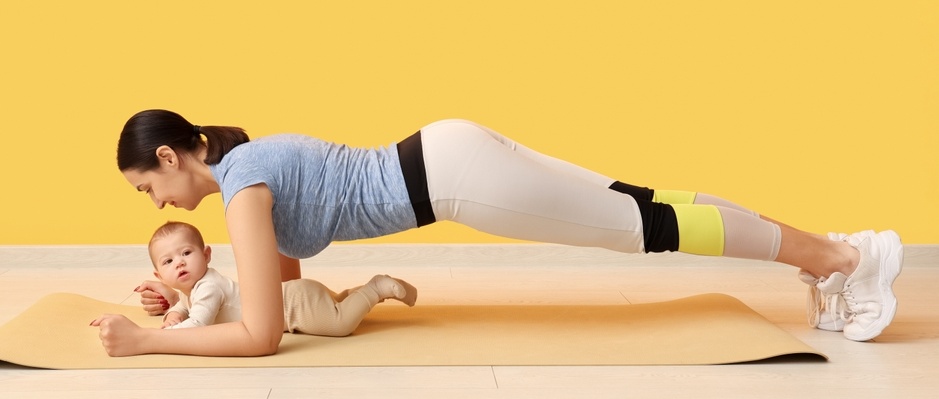
How to get back into exercise after having a baby
If you're pregnant, or recently gave birth, you might be wondering when you can start exercising again, particularly if you were previously a regular gym-goer. However, it's important that you venture back into exercise slowly and safely. It's also good to know the top safe postpartum exercises for your core and rebuilding strength.
by Lawrence Higgins

Healthy living
How to strengthen your core
When it comes to building muscle, improving your core muscle strength has benefits that extend beyond toned abs. Core strength exercises can also give you better balance, stability, and good posture, and prevent or treat back pain. Better still, they can be performed in the comfort of your home, and there are many to choose from and incorporate into your exercise routine.
by Lynn Stephen
About the authorView full bio

Abi Millar
Freelance Journalist
BA (Hons), MA
Abi is a freelance journalist with a special interest in health and medicine writing.
About the reviewerView full bio

Dr Sarah Jarvis
Clinical Consultant
MA (Cantab), BM, BCh (Oxon), DRCOG, FRCGP, MBE
After training in medicine at Cambridge and Oxford, Dr Sarah Jarvis MBE became a GP.
Article history
The information on this page is peer reviewed by qualified clinicians.
Article also available in English, German, Spanish, French, Italian, Portuguese, Hindi, Hebrew, Arabic, and Swedish.
8 Nov 2019 | Latest version
Join the conversation
Share your thoughts or experiences with others in our patient communities.

Ask, share, connect.
Browse discussions, ask questions, and share experiences across hundreds of health topics.

Feeling unwell?
Assess your symptoms online for free
Sign up to the Patient newsletter
Your weekly dose of clear, trustworthy health advice - written to help you feel informed, confident and in control.
By subscribing you accept our Privacy Policy. You can unsubscribe at any time. We never sell your data.
More in healthy living
- 1 in 10 people have encountered a near-death experience
- Gene discovery may explain why some people cope on little sleep
- Heartburn at night: how to improve sleep quality with heartburn
- How to control your drinking at a work Christmas party
- How to exercise with a physical disability
- How to quit smoking without gaining weight
- How to resist the toughest cigarette cravings
- How to spot the warning signs of domestic abuse
- How to talk to people about your mental health
- Is running bad for your knees?
- More evidence that social media is associated with teenage depression
- New campaign helps people with chronic conditions get active
- Not quite 'back to normal': a guide to post-pandemic family healing
- Obesity blamed for fewer eligible organ donors
- Should you 'come out' to your doctor?
- The best way to get rid of a hangover
- What is polyphasic or biphasic sleep, and is it good for you?
- What parents need to know about school entry health checks
- What the World Cup can teach us about staying active
- Why fad diets can actually lead to weight gain